Concessions for Political Stability
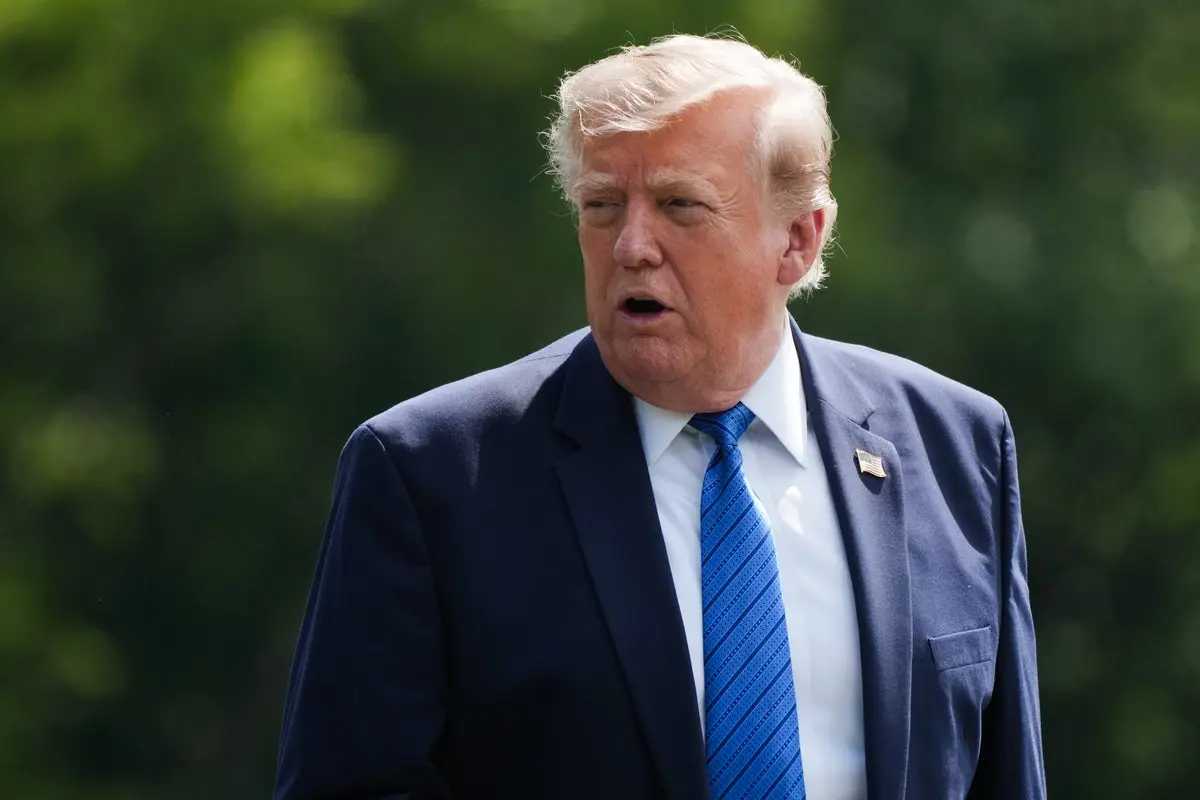
The United States and Iran have engaged in a prolonged standoff over the Strait of Hormuz, triggering a significant global economic crisis. As tensions persist, observers suggest that Donald Trump may soon pursue a deal to de-escalate the conflict. Any resulting agreement would likely be presented as a major foreign policy achievement.
Breaking news
 Stock Futures Edge Up After Dow Reaches New High
 New Findings on Ovarian Cancer
 Tennessee Officials Address Election Concerns Ahead of Primaries
 WHO Chief Urges Urgent Action as Ebola Cases Surge in DR Congo
For months, the two nations have locked horns over vital shipping lanes, causing energy market volatility and economic strain worldwide. Analysts indicate that the administration is under increasing pressure to resolve the situation. The conflict has become deeply unpopular, prompting concerns about the long-term political costs of continued military posturing.
Reports suggest that the White House may be willing to soften its stance to secure a quick exit from the standoff. To reach a resolution, Washington might eventually accept several core Iranian demands. This approach would effectively return the regional status quo to its starting point before the escalation began.
Is a Return to the Status Quo Sufficient?
Critics argue that such a pivot represents a tactical retreat rather than a strategic triumph. By prioritizing a swift conclusion, the administration risks undermining its previous hardline rhetoric. However, the move is viewed as a pragmatic necessity to stabilize international trade and mitigate domestic political fallout.
The proposed deal raises questions about the durability of regional security. While an agreement could provide immediate relief to global markets, it does not address the underlying grievances fueling the rivalry. Observers remain skeptical that a return to previous conditions will prevent future confrontations in the Strait.
Frequently Asked Questions
If the administration moves forward, the success of the deal will depend on public perception. Trump is expected to market the outcome as a masterstroke of negotiation. Whether this narrative holds up against the reality of the geopolitical landscape remains to be seen in the coming months.
What is the main goal of the potential Hormuz agreement? The primary objective is to de-escalate the ongoing maritime standoff and stabilize the global economy. It aims to end the unpopular conflict by returning regional conditions to their previous state.
Why would the United States accept Iranian demands? The administration is facing mounting pressure to resolve the crisis due to its negative impact on global markets. Accepting certain demands is seen as a necessary compromise to secure a swift and politically favorable conclusion.