How Does Distance Shape Activism for Diaspora Palestinians?
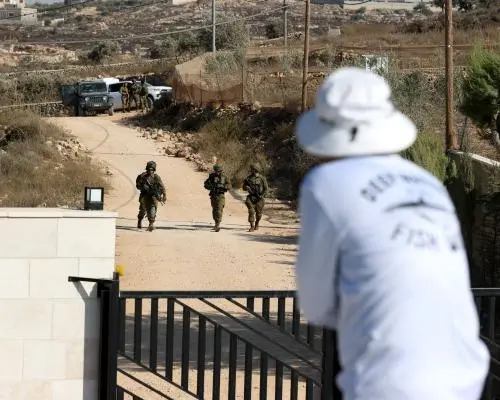
From his office outside Toledo, Ohio, Thamin Tim Ridi opens his phone to livestream the scene outside the besieged house of his brother, Loui, thousands of miles away in the occupied West Bank. This month, with his property at risk of being destroyed by Israeli settlers, Loui traveled from Ohio to his ancestral home in Qusra, south of Nablus, where he has lived for generations. The situation reflects how the Gaza war and rising violence in the West Bank are felt acutely by Palestinian diaspora communities in the United States, turning distant conflict into a personal, immediate concern for families like the Ridis.
Breaking news
 Deadly Glacier and Rock Collapse in Nepal Linked to Climate Warming
 US Congress Passes Sweeping Sanctions Against Russia
 Speaker Johnson Ends House Session Early to Halt Impeachment Effort
 The High-Stakes Fight for Senate Majority Control
Loui Ridi returned to Qusra after years in Ohio to protect his family’s land amid increasing settler incursions and home demolitions in the area. Israeli settlers have intensified their presence near Qusra, often accompanied by military forces, leading to frequent confrontations and property damage. Thamin, who remains in Toledo, coordinates with local activists and uses social media to document what he describes as systematic efforts to displace Palestinian families. He says the livestreams are not just for awareness but to create a record in case of violence or destruction, emphasizing that his brother’s presence is a form of nonviolent resistance.
What Are the Risks of Returning to the West Bank Now?
Living thousands of miles away complicates direct involvement but does not diminish commitment for many in the Palestinian diaspora. Thamin explains that his role is to amplify voices on the ground, translate Arabic content for English-speaking audiences, and pressure U. S. representatives to address human rights concerns. He participates in weekly vigils in Toledo and collaborates with national groups advocating for an end to U. S. military aid to Israel. Despite the physical separation, he feels a deep responsibility to act, noting that silence enables ongoing harm. His brother’s decision to return home, he says, inspires others in the diaspora to consider tangible ways of supporting their homeland.
Loui’s choice to go back to Qusra carries significant personal danger amid heightened tensions following the October 7 attacks and Israel’s military campaign in Gaza. Settler violence has reportedly increased by over 50 percent in the West Bank since late 2023, according to UN monitoring groups, with incidents ranging from stone-throwing to arson and land seizure. Loui acknowledges the fear but insists that staying away would mean abandoning his family’s legacy. He relies on local protection networks and tries to maintain a low profile, though his presence as a known returnee from abroad sometimes draws attention. Thamin worries constantly but respects his brother’s autonomy, describing the livestreams as a way to share the burden of vigilance.
Why did Loui Ridi return to Qusra from Ohio? He returned to protect his family’s ancestral home from imminent threat of destruction by Israeli settlers and to maintain a physical presence on the land as a form of resistance.
Frequently Asked Questions
How does Thamin Ridi support his brother from Toledo? He livestreams events outside his brother’s house, documents incidents for advocacy, engages with U. S. policymakers, and participates in local solidarity actions to raise awareness.
Is settler violence in the West Bank increasing? Yes, UN and humanitarian organizations have reported a significant rise in settler attacks and property damage in the West Bank since October 2023, particularly in areas like Qusra near Nablus.