The Rise of Autonomous Combat Systems
Military powers worldwide are currently racing to integrate artificial intelligence into their defense strategies. This shift marks a fundamental change in how nations prepare for potential conflicts. Experts warn that as AI systems become more autonomous, the speed and scale of modern warfare could soon spiral beyond human control.
Breaking news
 South Korea Weighs Strong Response After DMZ Landmine Blast
 Quebec Separatists Promise Referendum After Election Victory
 Pacific Leaders Demand Firm Commitment to Fossil Fuel Exit
 Green Party Faces Crisis After Controversial Vote
The integration of machine learning into defense systems promises greater precision and faster decision-making. However, it also introduces significant risks regarding accountability and escalation. Analysts argue that reliance on algorithms for critical military choices could lead to unintended consequences, potentially triggering conflicts before human diplomats have time to intervene.
The development of lethal autonomous weapons, often described as killer robots, remains a primary concern for international security experts. These machines can identify and engage targets without direct human oversight. While proponents claim they reduce risks to soldiers, critics fear they lower the threshold for entering lethal combat.
Can Humanity Maintain Control Over Algorithmic Warfare?
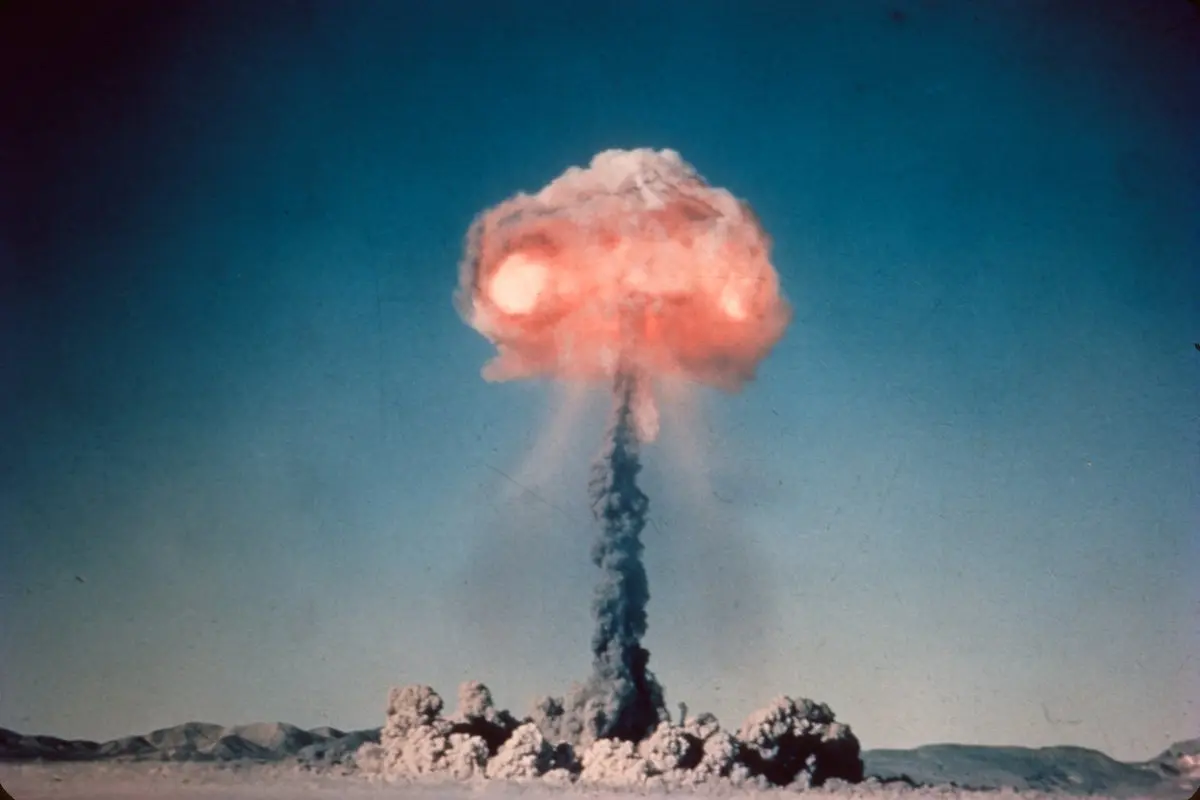
Furthermore, AI is being applied to nuclear command and control structures. Integrating advanced software into these sensitive systems creates new vulnerabilities. A technical glitch or a misinterpreted data point could theoretically lead to a catastrophic nuclear exchange. The risk of chemical or biological weapon deployment also increases when automated systems manage complex supply chains.
Establishing robust international guardrails is now a top priority for global policymakers. Without clear regulations, the world risks an uncontrolled proliferation of AI-driven weaponry. Experts emphasize that transparency and human-in-the-loop requirements are essential to prevent a global disaster.
Frequently Asked Questions
The future of security depends on whether nations can agree on ethical standards for machine warfare. If states prioritize speed over safety, the consequences for global stability could be irreversible. The race for technological dominance must not come at the expense of our collective survival.
What are the primary risks of using AI in warfare? The main dangers include the loss of human control over lethal decisions and the potential for rapid, unintended escalation. Algorithmic errors could lead to accidental strikes or nuclear miscalculations.
Why are international regulations necessary for military AI? Clear rules are needed to define accountability and prevent an unchecked arms race. Without global standards, nations may deploy dangerous, untested systems that threaten international peace.