Are Nuclear Guarantees Enough for NATO?
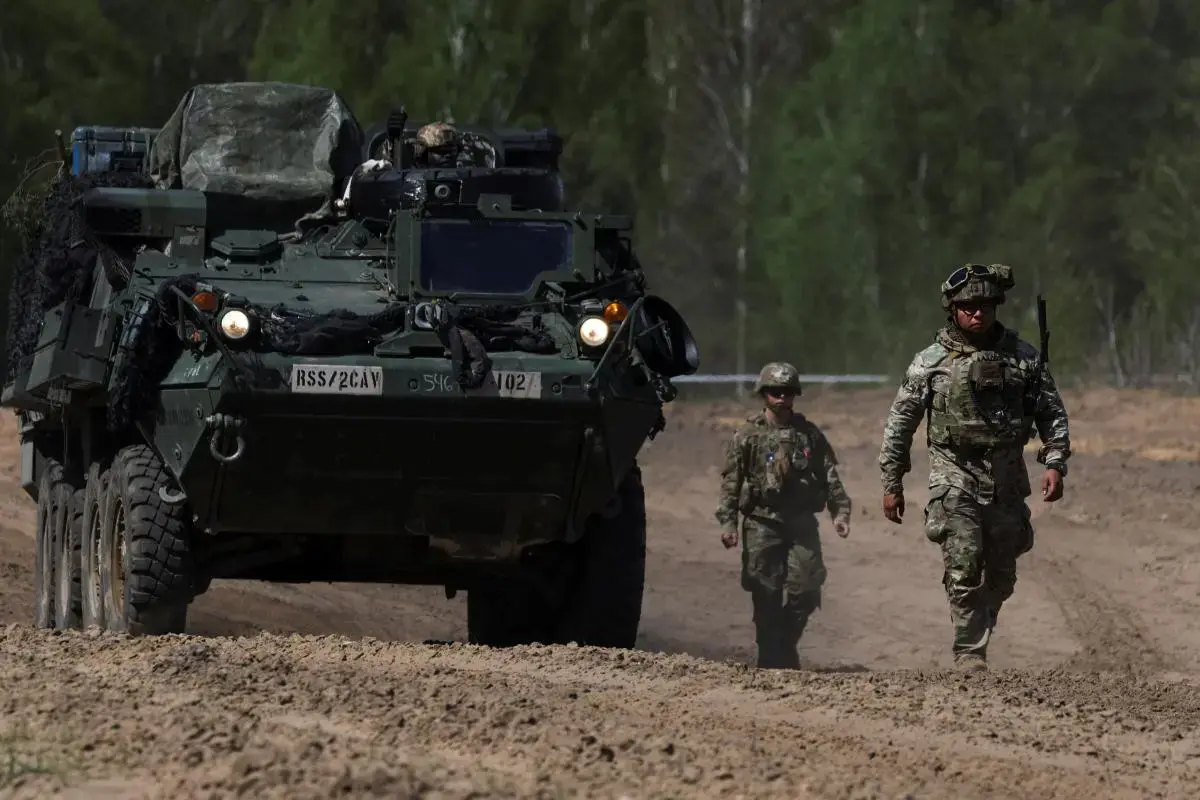
In May 2026, NATO conducted a military exercise in Bemowo Piskie, Poland. This event highlighted ongoing discussions about the role of U. S. forces in Europe and the effectiveness of nuclear guarantees in deterring threats.
Breaking news
 Deadly Glacier and Rock Collapse in Nepal Linked to Climate Warming
 US Congress Passes Sweeping Sanctions Against Russia
 Speaker Johnson Ends House Session Early to Halt Impeachment Effort
 The High-Stakes Fight for Senate Majority Control
NATO's deterrent strategy relies heavily on the presence of American troops. However, experts argue that nuclear assurances alone cannot fulfill the role of conventional forces. As global tensions rise, particularly with Russia, the need for a robust military presence in Europe becomes increasingly critical. The exercise in Poland was designed to demonstrate NATO's readiness but also raised questions about the adequacy of current deterrence strategies.
The reliance on nuclear weapons to ensure security is a contentious issue. Critics assert that while nuclear deterrence can prevent large-scale conflicts, it does not address the complexities of modern warfare. Conventional military capabilities are essential for responding to regional threats and maintaining stability. The ongoing situation in Eastern Europe emphasizes the need for a balanced approach to deterrence that includes both nuclear and conventional forces.
What Are the Implications of Reduced U. S. Forces?
Recent geopolitical developments have prompted NATO to rethink its strategies. The alliance's ability to respond effectively to aggression hinges on its military readiness. Exercises like the one in Poland are crucial for maintaining operational capabilities and demonstrating unity among member states. However, the question remains: can NATO effectively deter adversaries without a significant American military presence?
If the U. S. were to withdraw or reduce its forces in Europe, the implications could be profound. European allies might face increased pressure from adversaries, leading to instability in the region. Additionally, a diminished American presence could embolden hostile nations to act without fear of reprisal. NATO’s credibility as a defense organization could be undermined, affecting its ability to deter future conflicts.
Frequently Asked Questions
The future of NATO deterrence will likely depend on a combination of nuclear and conventional forces. As tensions in Europe evolve, the alliance must adapt its strategies to ensure that it remains a credible deterrent. The balance between these two forms of military power will be critical in shaping the security landscape of the region.
Why are U. S. forces essential for NATO? U. S. forces provide a significant conventional military capability that enhances NATO's deterrent posture. Their presence reassures European allies and helps to counter potential aggression.
Can nuclear guarantees alone deter threats? While nuclear weapons can prevent large-scale wars, they do not address all types of conflicts. Conventional forces are necessary to manage regional threats and ensure stability.