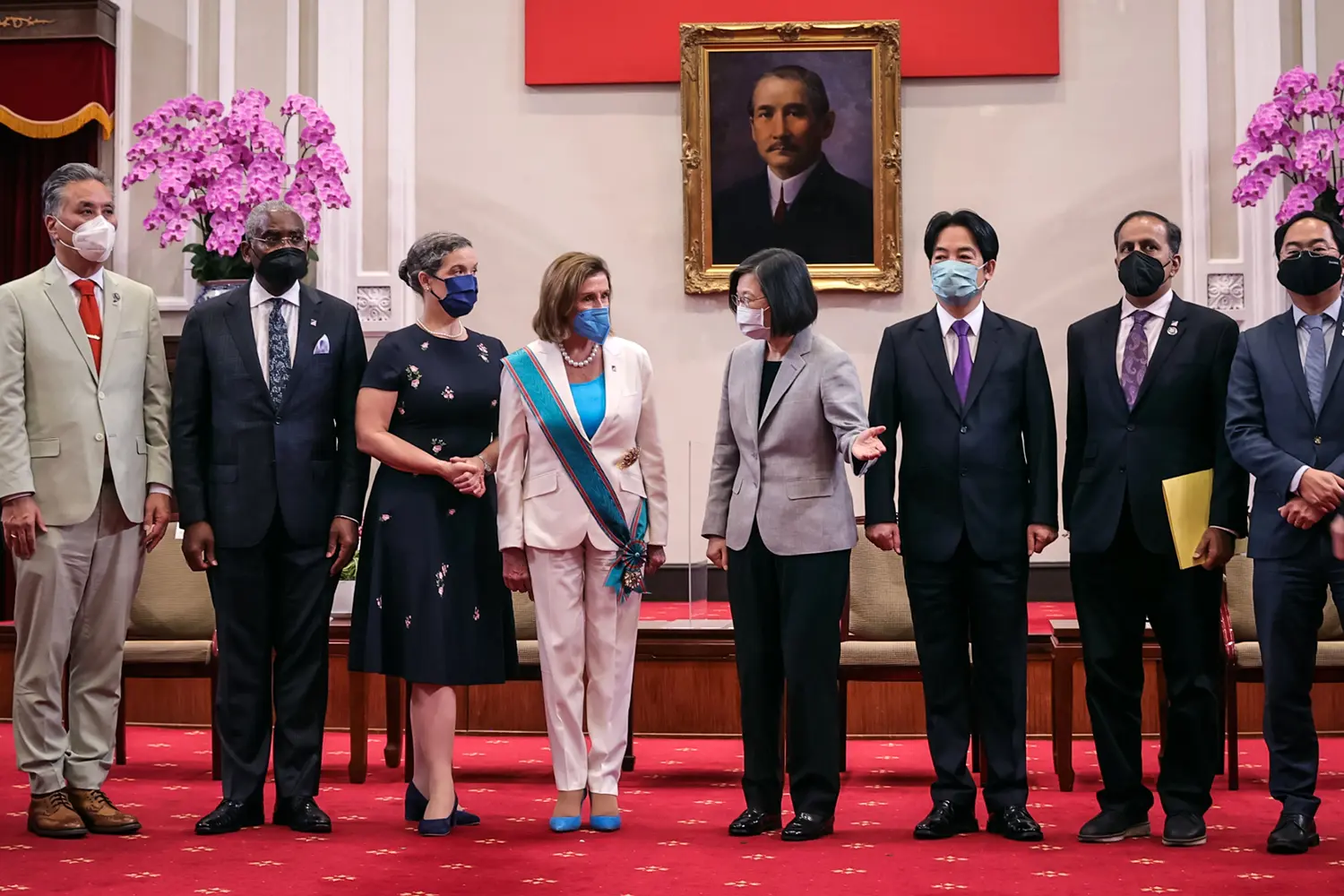
Raikow emphasizes that ambiguity does not prevent war—it may invite it
The United States faces a critical moment in its approach to Taiwan as Beijing intensifies pressure and Washington’s strategic ambiguity risks miscalculation. With cross-strait tensions rising, experts argue that clarity in U. S. policy is essential to deter aggression and maintain regional stability. The time has come for Washington to move beyond vague commitments and adopt a more defined stance. David Raikow, a political advisor with expertise in armed conflict and former UN diplomat in Sudan, South Sudan, Libya, and Afghanistan, contends that the U. S. must abandon strategic ambiguity in favor of strategic clarity. He argues that current U. S. policy, while intended to deter both Taiwanese independence and Chinese coercion, creates dangerous uncertainty. Without clear signals, Beijing may misjudge American resolve, increasing the risk of conflict.
Breaking news
 Montenegro, Albania Seek NATO Help to Counter Russian Disinformation
 Ronna McDaniel Weighs In on GOP's Path Forward
 Market Sentiment Shifts as S&P 500 Snaps Three-Day Losing Streak
 Voters Demand Stronger Congressional Oversight of Presidential Power
Raikow emphasizes that ambiguity does not prevent war—it may invite it. Why Strategic Clarity Now Matters More Than Ever Recent Chinese military exercises around Taiwan, coupled with rhetoric framing reunification as inevitable, have heightened concerns in Washington and among allies. Raikow points out that the U. S. policy of „one China” coupled with arms sales to Taiwan has long relied on deliberate vagueness to manage competing interests. However, he warns that this balance is becoming untenable as China’s capabilities grow and its patience wanes. Clearer U. S. commitments, he suggests, would strengthen deterrence by making the costs of aggression unmistakably high to Beijing. What Would a Clearer U. S. Policy Look Like? Raikow does not advocate for abandoning the one-China framework or endorsing Taiwanese independence. Instead, he proposes reinforcing existing commitments through more explicit statements about U. S. responses to coercion or attack.
This could include clarifying conditions under which the U. S. would defend Taiwan, enhancing military coordination with allies, and increasing transparency about defense commitments. Such steps, he argues, would not provoke China but rather discourage miscalculation by demonstrating resolve. Frequently Asked Questions Does strategic clarity mean the U. S. would defend Taiwan if attacked? Raikow suggests that clearer policy would define the circumstances under which the U. S. considers use of force, without necessarily changing the current stance on unilateral moves toward independence. Would this approach provoke China? He argues that ambiguity poses greater risks by encouraging misjudgment, while clarity strengthens deterrence by making U. S. intentions predictable and credible. Is there support for this shift within the U. S. government? While internal debates continue, growing concern over China’s actions has led some policymakers and experts to question whether strategic ambiguity still serves U. S. interests effectively.
