Why an Embargo Is the Key Lever
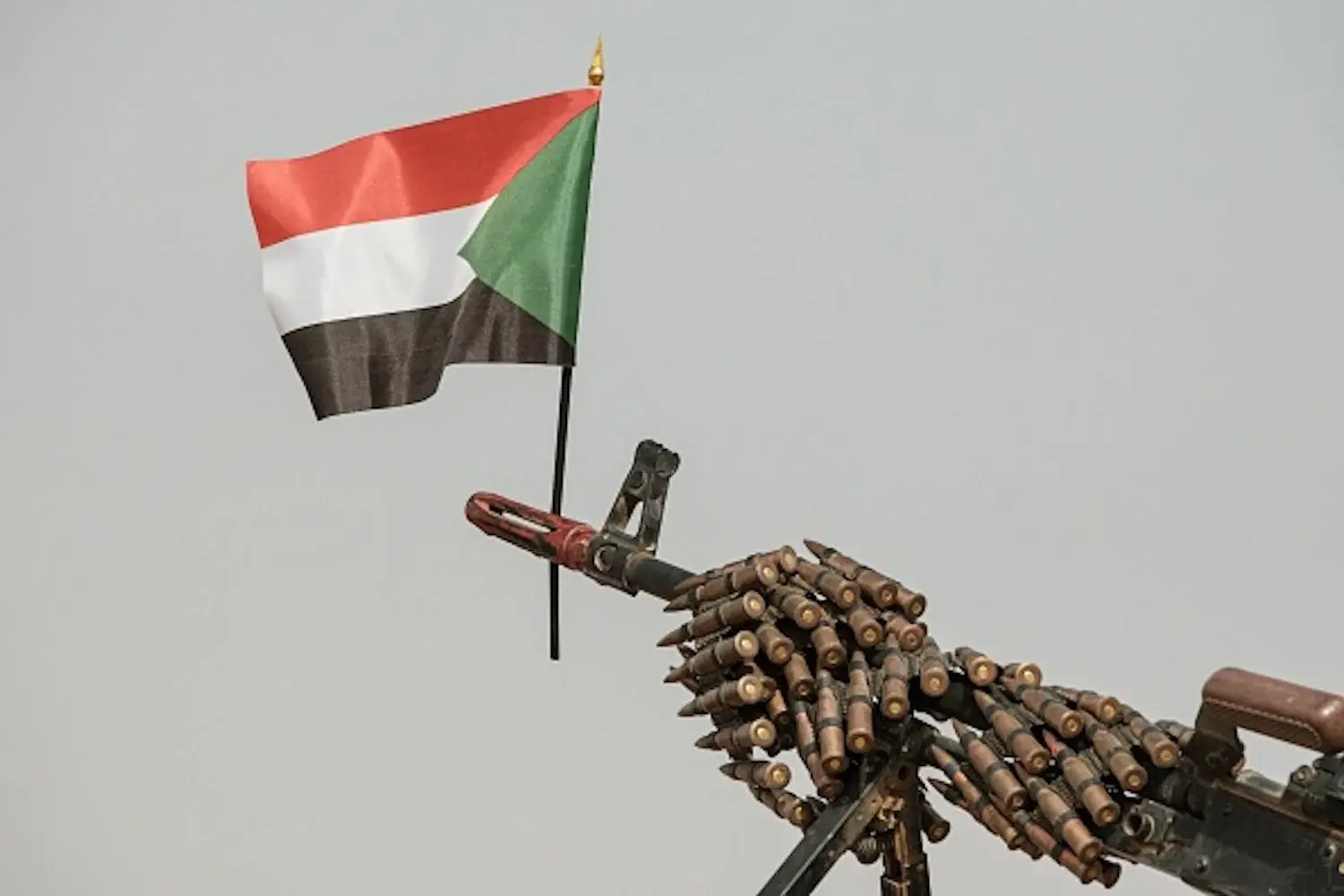
U. S. officials argue that lasting peace in Sudan is impossible without a comprehensive weapons embargo. This position was articulated by Michael Waltz, the American ambassador to the United Nations, alongside Massad Boulos, a senior presidential advisor. They support a Security Council resolution aimed at halting the flow of military hardware into the conflict zone. The proposal seeks to break the cycle of violence that has plagued the region for years.
Breaking news
 Deadly Glacier and Rock Collapse in Nepal Linked to Climate Warming
 US Congress Passes Sweeping Sanctions Against Russia
 Speaker Johnson Ends House Session Early to Halt Impeachment Effort
 The High-Stakes Fight for Senate Majority Control
The White House champions this diplomatic initiative to stabilize the Horn of Africa. Both officials emphasize that current fighting intensity stems largely from external supply lines. Without cutting off these sources, local factions can easily replenish their arsenals. This allows the war to persist despite periodic ceasefire attempts. The administration believes that restricting access to modern weaponry will force belligerents to negotiate seriously.
The proposed resolution targets the logistical backbone of the war. Military experts note that both sides rely heavily on imported equipment. Tanks, fighter jets, and armored vehicles often cross borders from neighboring states. A strict embargo would require international monitoring and enforcement mechanisms. It would also involve sanctions against countries that continue selling arms to Sudanese factions. The goal is to create economic pressure that makes fighting more costly than negotiating.
Will Global Powers Support the Measure?
Waltz and Boulos presented this strategy as a critical next step in U. S. foreign policy. They highlighted the urgency of acting before the humanitarian crisis deepens further. Millions of civilians are already displaced within Sudan and across its borders. The influx of new weapons threatens to prolong the suffering of these vulnerable populations. By limiting the tools of war, diplomats hope to lower the stakes for each side. This creates a safer environment for peace talks to take place.
Implementation remains the biggest challenge for any new resolution. Major global powers must agree on the terms and scope of the ban. Disagreements over which countries to sanction could stall progress in the Security Council. Some nations have strategic interests in maintaining influence in Sudan. They may resist restrictions that limit their own trade or political leverage. The U. S. team is working to build a broad coalition of supporters. They aim to present a united front during upcoming negotiations.
Frequently Asked Questions
The success of this approach depends on consistent enforcement. Past embargoes have sometimes failed due to loopholes or lack of oversight. New monitoring teams might be deployed to track shipments. Technology such as satellite imaging could help verify compliance on the ground. If the embargo holds, it signals to warring parties that the international community is serious. This pressure could accelerate the timeline for a final settlement.
Who proposed the weapons embargo idea? Michael Waltz and Massad Boulos advocated for the measure. They represent the U. S. government’s stance on resolving the Sudan conflict through diplomatic means.
What does the embargo specifically target? It aims to stop the import of major military equipment into Sudan. This includes tanks, aircraft, and other heavy weapons used by both sides in the ongoing war.