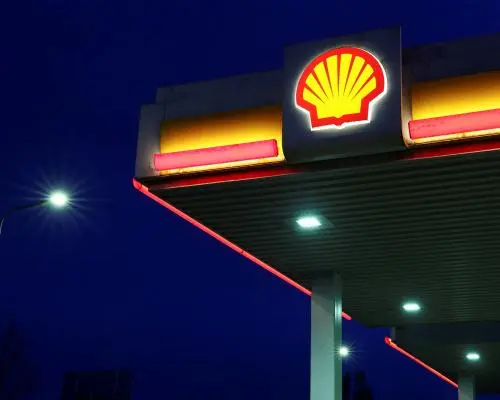
Returning Capital to Investors
Shell revealed an adjusted profit of $10.8 billion for the July-September quarter, effectively doubling its financial returns from the previous year. The energy giant benefited directly as escalating conflict in the Middle East disrupted global markets, created severe supply shortages, and pushed oil and gas prices significantly higher.
Breaking news
 Montenegro, Albania Seek NATO Help to Counter Russian Disinformation
 Ronna McDaniel Weighs In on GOP's Path Forward
 Market Sentiment Shifts as S&P 500 Snaps Three-Day Losing Streak
 Voters Demand Stronger Congressional Oversight of Presidential Power
The staggering financial figures easily surpassed Wall Street predictions. During the same three-month period last year, the multinational corporation recorded adjusted earnings of just $5.432 billion. Analysts attribute this dramatic upswing to volatile geopolitical conditions that fundamentally altered energy trading dynamics and widened profit margins across the fossil fuel sector.
Are Fossil Fuel Giants Benefiting Too Much From Global Conflict?
Buoyed by the windfall, leadership confirmed plans to distribute $5 billion back to investors through strategic share buybacks and dividend payouts. This capital return strategy highlights the company's ongoing commitment to maximizing shareholder value during periods of heightened commodity pricing.
However, the massive financial gains have immediately reignited fierce criticism from environmental activists. Climate groups argue that profiting from war-driven energy shortages demonstrates a profound disconnect from the global necessity to transition away from fossil fuels and address climate change.
Frequently Asked Questions
The juxtaposition of record energy profits against a backdrop of international conflict raises critical questions regarding market regulation and corporate windfall taxes. Critics continue to scrutinize how multinational oil companies capitalize on supply chain disruptions while everyday consumers face soaring utility bills and transportation costs.
Looking ahead, Shell remains positioned to capitalize on ongoing energy sector volatility, though mounting pressure from climate advocates and shifting regulatory landscapes could alter their operational strategy. The company must navigate these competing demands while maintaining strong returns for its investor base in an unpredictable global market.
