Why Moscow risks sanctions to keep Syrian supply routes alive
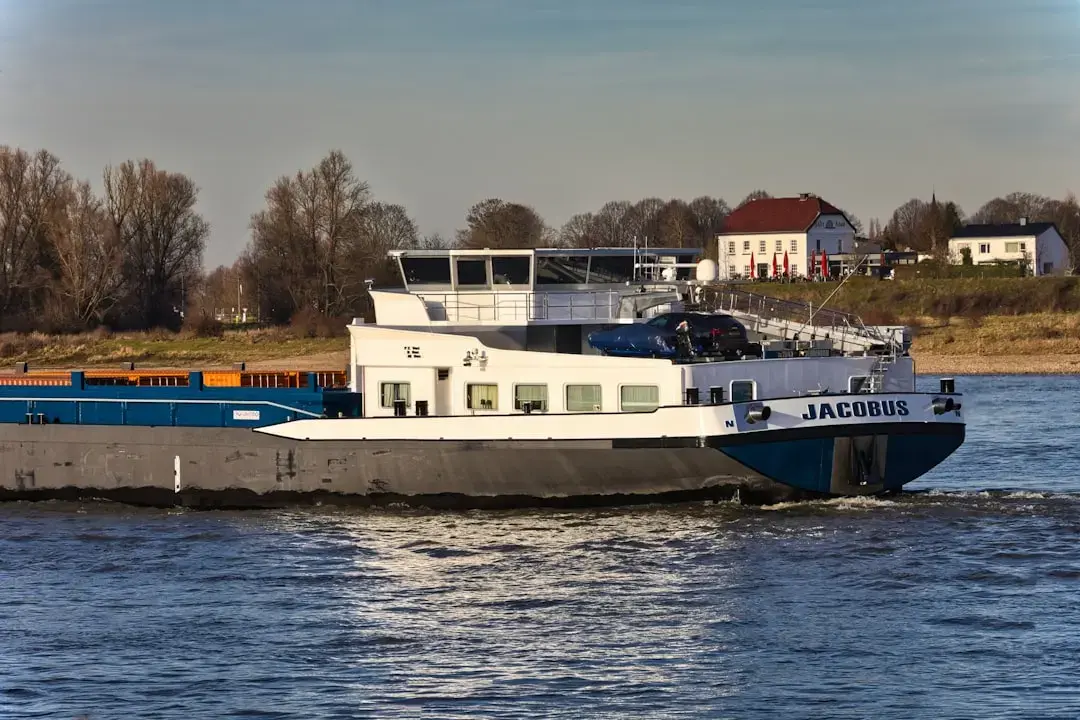
Four Russian ships, including a cargo carrier and a tanker, entered the Mediterranean Sea on Monday under the escort of a warship. The vessels are listed on international sanctions registers for supplying the Syrian regime. NATO’s maritime command said it is closely tracking the convoy, which it calls the „Syrian Express.”
Breaking news
 Deadly Glacier and Rock Collapse in Nepal Linked to Climate Warming
 US Congress Passes Sweeping Sanctions Against Russia
 Speaker Johnson Ends House Session Early to Halt Impeachment Effort
 The High-Stakes Fight for Senate Majority Control
The convoy departed the Black Sea port of Novorossiysk and crossed the Bosphorus before entering the Mediterranean. Analysts say the move signals Moscow’s intent to keep supply lines open despite Western restrictions. The escorting destroyer, identified as the Admiral Gorshkov, is part of Russia’s Black Sea Fleet. NATO’s Allied Maritime Command in Northwood, UK, confirmed that its ships and aircraft are monitoring the ships’ progress but have not intervened.
Russia has long positioned itself as a key backer of President Bashar al‑Assad’s government. The sanctioned vessels are believed to be carrying fuel, ammunition and construction materials needed for reconstruction projects in war‑torn areas. „These shipments are essential for maintaining Russia’s strategic foothold in the region,” said Dr. Lena Petrova, a senior fellow at the European Centre for Security Studies.
Is the „Syrian Express” a new flashpoint for NATO‑Russia tensions?
The decision to send the ships despite sanctions reflects a calculation that the benefits outweigh the diplomatic costs. Moscow argues that the sanctions are illegal under international law and that the convoy is a humanitarian effort. However, Western officials counter that the cargo is dual‑use, capable of supporting both civilian reconstruction and military operations.
NATO officials warned that any violation of the sanctions regime could trigger a coordinated response. „We are maintaining a vigilant watch over the convoy and will act if we see any breach of international law,” said Admiral Sir Thomas Wood, NATO’s maritime commander.
The presence of a Russian destroyer adds a layer of complexity, as it signals a willingness to protect the convoy from potential interdiction. Critics argue that this could lead to a dangerous escalation at sea, especially if NATO decides to intercept the ships. So far, no direct confrontation has occurred, but the situation remains fluid.
The convoy is expected to reach ports in Syria within the next 48 hours. Its arrival could bolster the Syrian government’s capacity to rebuild infrastructure, but it also risks deepening the divide between Moscow and the West. Observers fear that continued Russian shipments may embolden other sanctioned actors to test the limits of international enforcement.
Frequently Asked Questions
What are the sanctions on the Russian ships? The vessels are listed by the EU, US and UK for transporting prohibited goods to Syria, a country under a comprehensive arms embargo.
How is NATO monitoring the convoy? NATO uses surveillance aircraft, satellite imagery and naval patrols to track the ships’ movements from the Black Sea to the Mediterranean.
Could NATO intervene to stop the convoy? Intervention would require a UN mandate or a coalition decision; NATO has so far limited its role to observation and diplomatic pressure.