How does the Strait of Hormuz factor into Russia’s strategic calculations?
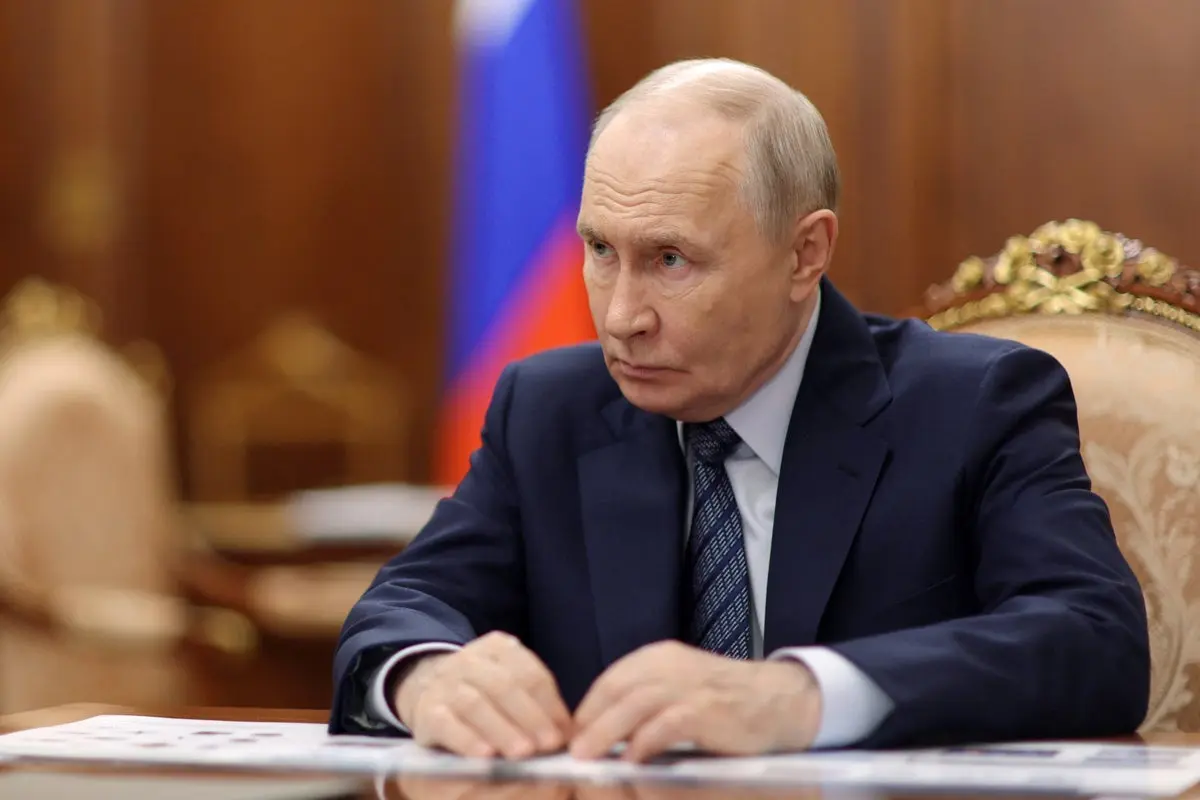
Russian President Vladimir Putin views former U. S. President Donald Trump as politically weakened due to his handling of tensions with Iran, according to a classified intelligence report. The assessment emerged from a secret meeting between Putin and U. S. Director of National Intelligence John Ratcliffe in late August 2026, where Ratcliffe warned that exploiting the Strait of Hormuz crisis to escalate actions in Ukraine would carry serious consequences. The discussion took place amid heightened maritime tensions in the Gulf, following a series of incidents involving commercial vessels and naval forces near the strategic waterway. Putin reportedly argued that Trump’s focus on Iran had drained U. S. political capital and military readiness, creating an opening for Russian advances in Eastern Europe. Ratcliffe, however, cautioned that any attempt to capitalize on perceived U. S. distraction would provoke a unified Western response, including strengthened NATO defenses and potential sanctions.
Breaking news
 Deadly Glacier and Rock Collapse in Nepal Linked to Climate Warming
 US Congress Passes Sweeping Sanctions Against Russia
 Speaker Johnson Ends House Session Early to Halt Impeachment Effort
 The High-Stakes Fight for Senate Majority Control
The exchange highlighted divergent strategic calculations between Moscow and Washington regarding crisis linkage and escalation risks. The Hormuz situation, marked by intermittent disruptions to shipping and mutual accusations of provocation, has become a focal point in broader geopolitical maneuvering. Both sides acknowledge the strait’s importance to global energy flows, but differ on whether instability there should be leveraged or contained. Intelligence sources indicate Putin’s interpretation of Trump’s vulnerability stems from public opinion trends and congressional pushback against prolonged Middle East engagements. Ratcliffe’s warning underscored that U. S. resolve in Europe remains intact despite regional distractions. The meeting concluded without agreement, but both parties acknowledged the danger of miscalculation in interconnected flashpoints.
What limits Russia’s ability to act on perceived U. S. weakness?
Putin’s inner circle believes that sustained pressure on shipping lanes through Hormuz could force the U. S. to divide its military attention between the Gulf and Europe. This perception drives Moscow’s assessment that NATO’s eastern flank might be more vulnerable during periods of Gulf instability. However, Russian planners also recognize that overt escalation in Hormuz risks triggering a broader confrontation they may not be prepared to sustain.
Despite viewing Trump as constrained, Putin faces internal limits, including overextended supply lines and domestic economic strain from prolonged sanctions. Military analysts note that any significant escalation in Ukraine would require mobilizing reserves already committed to other fronts. Furthermore, Ratcliffe emphasized that European allies have increased defense spending and coordination, reducing the window of opportunity Russia might seek to exploit.
Was the meeting between Putin and Ratcliffe confirmed by official sources? No, the encounter was described in a classified report and has not been publicly acknowledged by either government.
Frequently Asked Questions
Did Trump comment on the Hormuz situation during his presidency? The source notes Trump issued his first public comment on the matter, but does not specify content or timing.
Could Hormuz disruptions directly affect Ukrainian battlefield conditions? Indirectly, through resource allocation and political focus, but no direct military link was outlined in the report.