Seoul’s Strategic Dilemma: Balancing Alliances and Domestic Opposition
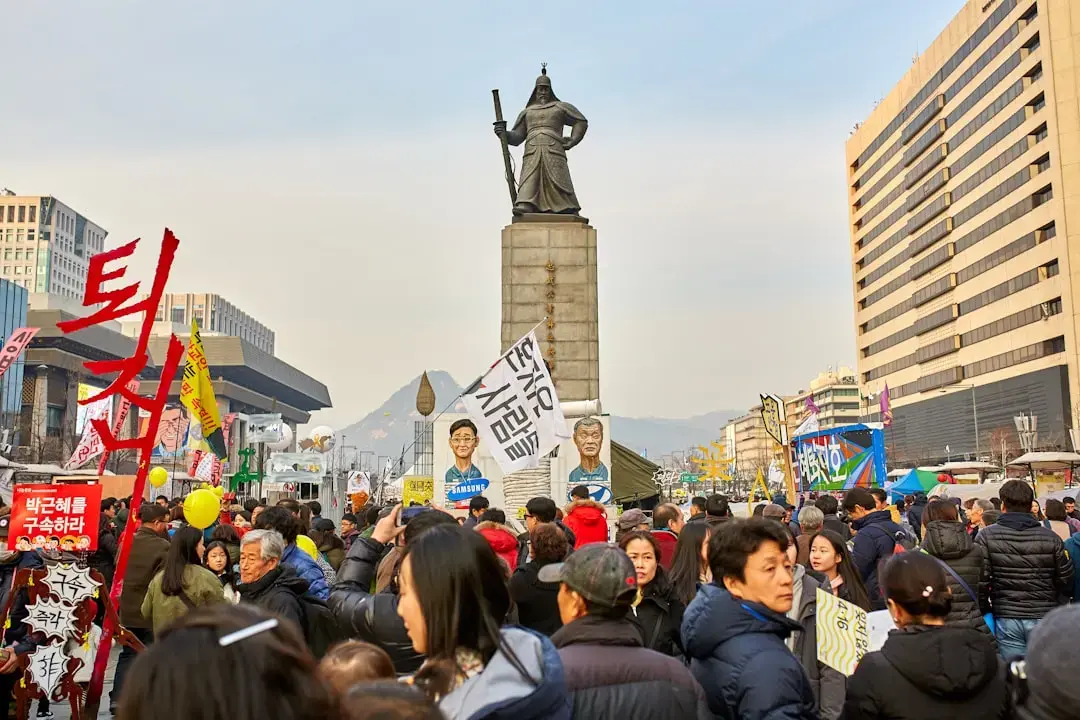
On Wednesday, nearly one hundred anti‑war activists assembled in front of the Sejong Center in Seoul. The demonstrators voiced their opposition to any potential deployment of forces to the Strait of Hormuz, a key maritime chokepoint. The rally was organized by a coalition of peace groups and took place during daylight hours, drawing attention from passersby and local media.
Breaking news
 Deadly Glacier and Rock Collapse in Nepal Linked to Climate Warming
 US Congress Passes Sweeping Sanctions Against Russia
 Speaker Johnson Ends House Session Early to Halt Impeachment Effort
 The High-Stakes Fight for Senate Majority Control
The protest came amid rising tensions in the Middle East, where Iran and its regional allies have threatened to close the strait in response to Western sanctions. South Korean officials have hinted at possible involvement in multinational security efforts, prompting critics to warn that Seoul could be drawn into a broader conflict. Organizers handed out flyers that described the strait as „a flashpoint for global oil supply” and urged the government to pursue diplomatic solutions instead of military posturing.
South Korea’s alliance with the United States obliges it to support security initiatives that protect international shipping lanes. Yet the country also relies heavily on oil imports that pass through the Hormuz corridor, making any disruption a direct threat to its economy. Experts say the government faces a tightrope walk: it must reassure allies while addressing public concern over entanglement in overseas disputes.
Will South Korea Join a Multinational Force in the Hormuz Strait?
„We cannot ignore the risks to our energy security, but we also cannot become a pawn in a larger power struggle,” said Dr. Lee Min‑ho, a senior fellow at the Institute for East Asian Studies. He noted that South Korean public opinion has grown increasingly skeptical of foreign military engagements, especially after recent deployments in the Indo‑Pacific region.
The question of participation remains unresolved. The Ministry of National Defense declined to comment on specific plans, citing „national security considerations.” However, diplomatic sources suggest that Washington is pressing allies to contribute naval assets to a joint patrol aimed at deterring Iranian aggression.
If Seoul decides to send warships, it could face protests similar to Wednesday’s rally, as well as potential backlash from neighboring countries wary of heightened militarization. Conversely, a refusal to join may strain the U. S.–South Korea alliance and limit Seoul’s influence in shaping regional security policies.
The protest underscores a broader trend of civic activism influencing foreign‑policy debates in South Korea. While the demonstrators did not block traffic or cause disruptions, their presence signaled a growing demand for transparency and public input on matters of war and peace.
Frequently Asked Questions
What is the Strait of Hormuz and why is it important? The Strait of Hormuz is a narrow waterway between Oman and Iran through which about a fifth of the world’s petroleum passes. Any closure would sharply raise global oil prices and affect economies worldwide.
Why are South Korean activists concerned about a possible deployment? Activists fear that sending troops could entangle South Korea in a conflict far from its borders, risking casualties and diverting resources from domestic priorities.
How might the South Korean government respond to public pressure? The government could increase diplomatic outreach, seek multilateral solutions, or clarify its stance to reassure citizens while maintaining alliance commitments.