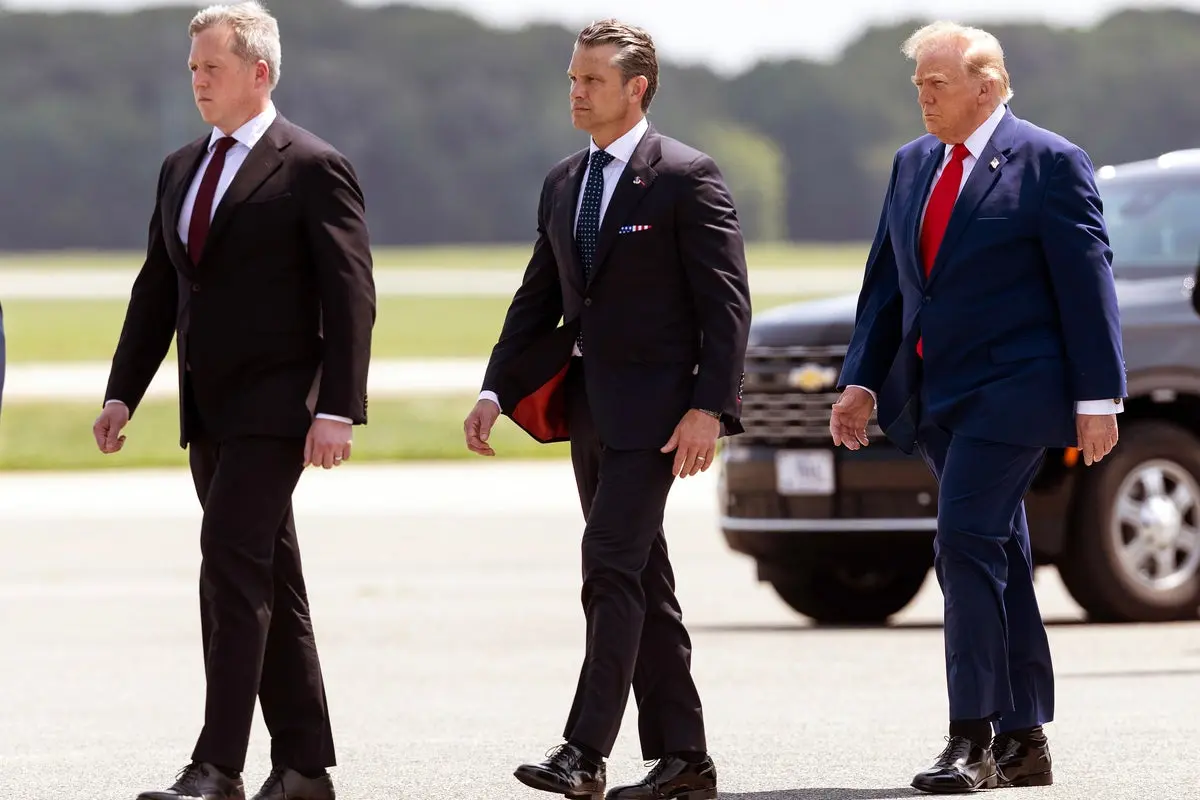
Hegseth’s Vision for a Transformed Defense Department
A former senior Army official who recently stepped down from his post has voiced strong concerns about the direction of the U. S. military. He argues that current leadership under Pete Hegseth is causing long-term harm to the institution. This criticism emerged during a period of significant transition within the Department of Defense. The outgoing secretary believes the changes are too drastic for the force’s stability.
Breaking news
 Deadly Glacier and Rock Collapse in Nepal Linked to Climate Warming
 US Congress Passes Sweeping Sanctions Against Russia
 Speaker Johnson Ends House Session Early to Halt Impeachment Effort
 The High-Stakes Fight for Senate Majority Control
The former official served as a key figure in the Army before leaving his position. His departure highlights growing tensions within the defense establishment. He described the current approach as inflicting generational damageon the military structure. This phrase suggests that the effects will be felt for decades, not just years. The critique points to a fundamental shift in how the department operates.
Pete Hegseth, a former television host, now leads the Department of Defense. He has publicly stated his intent to overhaul the agency significantly. His background in media rather than traditional military command shapes his perspective. Hegseth aims to modernize processes and reduce bureaucratic layers. Critics argue this rapid transformation may outpace the military’s capacity to adapt. The goal is to make the department more agile and efficient. However, veterans worry that core traditions and expertise are being overlooked in favor of speed.
Is Rapid Reform Beneficial or Risky?
The former Army secretary emphasized that the pace of change is critical. He noted that the military relies on deep institutional knowledge. When that knowledge is disrupted too quickly, operational readiness can suffer. The generational damagecomment implies that rebuilding trust and capability will take a long time. It is not just a temporary setback but a structural issue. The outgoing leader believes the current administration is prioritizing political goals over military needs. This view contrasts with Hegseth’s stated desire for a leaner, more responsive force.
The debate centers on whether swift changes improve efficiency or create chaos. Supporters of Hegseth’s approach point to outdated systems that hinder performance. They believe breaking old habits is necessary for future success. Opponents, including the resigned secretary, fear that essential functions are being neglected. The tension reflects a broader question about civilian control of the military. While civilians lead the department, they must understand its unique requirements. The recent resignation adds weight to the argument that internal dissent is rising.
The consequences of this leadership clash are already visible. Key personnel have moved through the ranks or left their posts. The military continues to operate while undergoing these structural shifts. Future conflicts will test the resilience of the new framework. If the generational damageclaim holds true, the U. S. may face challenges in maintaining its global posture. The outlook remains uncertain as the department navigates this turbulent period. Leaders must balance innovation with stability to ensure the force remains effective.
Frequently Asked Questions
Who is the former Army secretary criticizing Hegseth? The individual is a high-ranking official who recently resigned from the Army. He expressed his views after leaving his post to highlight concerns about the department's trajectory.
What does generational damagemean in this context? It refers to long-lasting negative impacts on the military's structure and culture. The critic believes these effects will persist for many years, affecting future capabilities.
Why did Hegseth want to change the Department of Defense? Hegseth aimed to drastically alter the department's operations. He sought to implement significant reforms to improve efficiency and modernize the military organization.