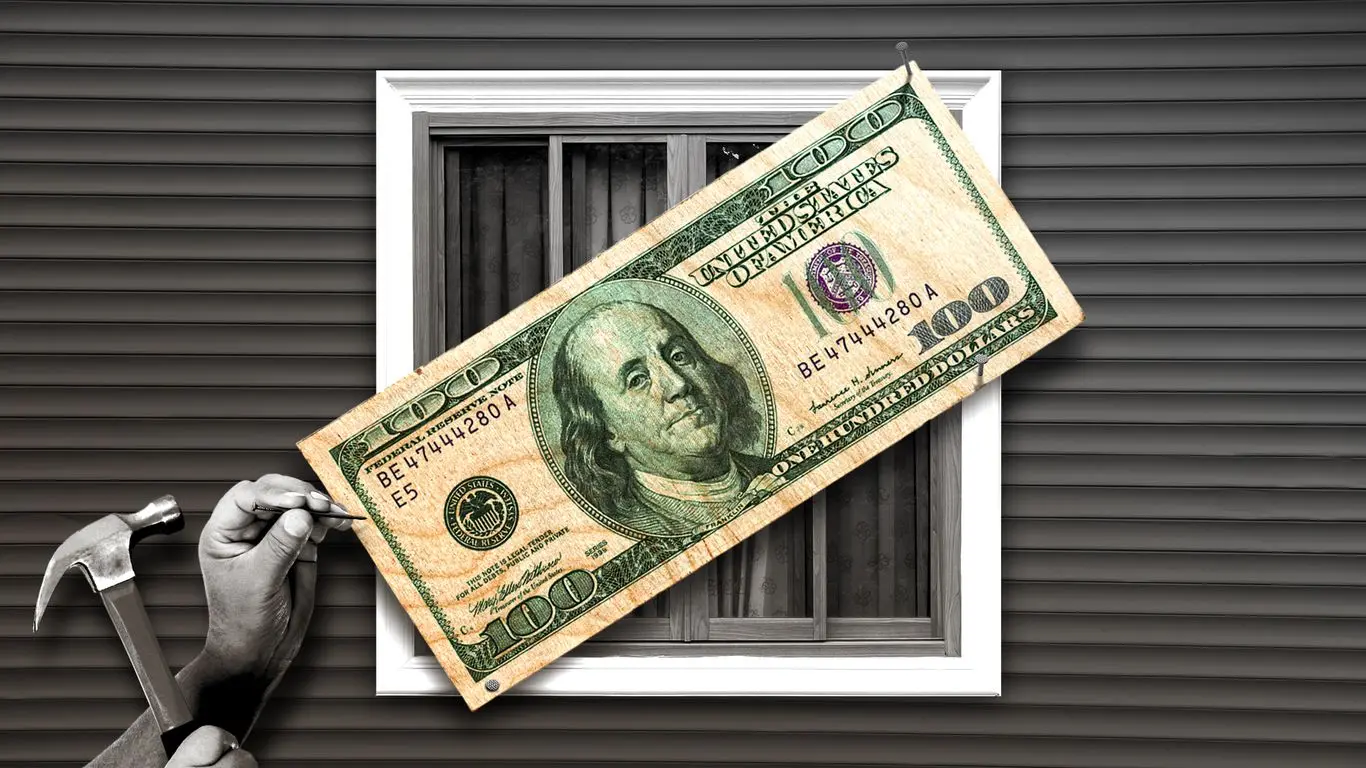
Rising Oil Prices and Their Impact on Low‑Income Households
The study highlights how volatile energy markets and geopolitical tensions, notably the Iran conflict, are pushing oil prices upward and threatening household budgets across the country.
Breaking news
 Montenegro, Albania Seek NATO Help to Counter Russian Disinformation
 Ronna McDaniel Weighs In on GOP's Path Forward
 Market Sentiment Shifts as S&P 500 Snaps Three-Day Losing Streak
 Voters Demand Stronger Congressional Oversight of Presidential Power
The report shows that oil‑based heating systems are already struggling to keep up with the rising cost of fuel. While natural gas and electric heating rates have remained relatively stable, oil prices have spiked, forcing many homeowners to pay more than they did in the previous season. The analysis indicates that the average cost per gallon of heating oil could increase by double digits, translating into significant monthly expenses for families that depend on this fuel.
Will Switching to Alternative Heating Methods Be Feasible?
The surge in oil prices disproportionately affects low‑income households that often have older heating systems and limited alternatives. These families are forced to allocate a larger portion of their monthly income to heating, leaving less for other essentials. The study points out that the affordability gap is widening, with some regions experiencing double‑digit increases in heating costs. This trend could lead to increased energy poverty and strain on social services.
Experts say that the combination of supply disruptions, increased demand, and geopolitical uncertainty is driving the price hikes. As the global oil market tightens, the cost of transporting and refining oil rises, which is passed on to consumers. Additionally, the shift toward electric heating in some areas has not yet offset the higher oil prices, leaving many households stuck with costly oil systems.
Many homeowners are asking whether switching to natural gas or electric heating is a viable solution. The answer depends on several factors, including the availability of infrastructure, upfront costs, and long‑term savings. In some regions, natural gas pipelines are expanding, making conversion more accessible. However, the initial investment for new equipment and installation can be prohibitive for families already stretched thin by rising oil bills.
Frequently Asked Questions
Electric heating, while generally more stable in price, requires a well‑insulated home and a reliable power supply. Energy efficiency upgrades, such as improved insulation and weather stripping, can reduce overall heating demand and mitigate cost increases. Policymakers are considering subsidies and rebates to encourage such upgrades, but the rollout has been slow.
The long‑term outlook for oil‑based heating remains uncertain. If geopolitical tensions ease and supply chains stabilize, prices may fall. Conversely, continued volatility could keep costs high, prompting more households to seek alternative solutions or face financial hardship.
