Reassessing Energy Security Strategies
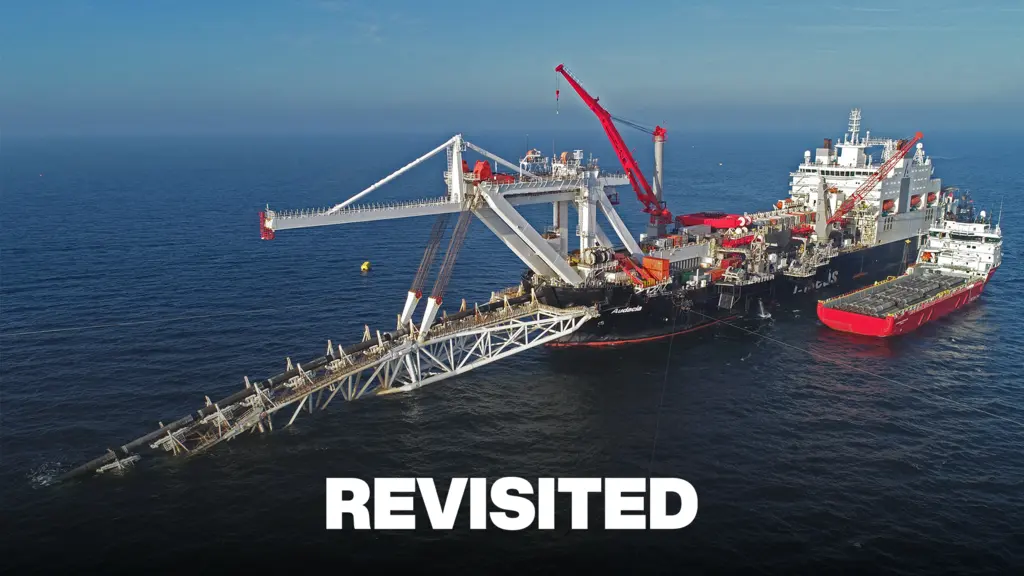
The destruction of the Nord Stream pipelines in September 2022 remains one of the most dramatic acts of sabotage since World War II. The incident occurred in the Baltic Sea, targeting critical infrastructure that linked Russia and Germany. Although the immediate explosions were loud and visible, the economic ripples have continued to expand across Europe. Analysts note that the full financial weight of this disruption is still being calculated today.
Breaking news
 Deadly Glacier and Rock Collapse in Nepal Linked to Climate Warming
 US Congress Passes Sweeping Sanctions Against Russia
 Speaker Johnson Ends House Session Early to Halt Impeachment Effort
 The High-Stakes Fight for Senate Majority Control
The sabotage severed a major artery for Russian gas exports to Western Europe. This sudden cut forced European nations to scramble for alternative energy sources. Prices spiked dramatically, altering market dynamics for global energy traders. The event highlighted how vulnerable continental infrastructure can be to targeted physical attacks. Governments now view such risks as central to their national security strategies.
The attack fundamentally changed how European policymakers approach energy independence. Before 2022, many countries relied heavily on long-term pipeline contracts. The sabotage proved that physical assets remain susceptible to damage despite political agreements. Nations accelerated plans to build new liquefied natural gas terminals. These facilities allow for greater flexibility in sourcing fuel from diverse suppliers. The shift required significant capital investment and rapid construction timelines.
Has the Market Fully Stabilized?
Industry experts argue that the psychological impact was as damaging as the physical loss. The uncertainty surrounding future supply chains led to precautionary stockpiling. This behavior often outpaced actual demand, creating artificial scarcity. The result was prolonged volatility in electricity and heating costs for consumers. Businesses faced higher operational expenses, which squeezed profit margins in manufacturing sectors. The lesson learned is that redundancy is essential for critical infrastructure resilience.
Despite years passing, the market has not returned to pre-crisis norms. Trading patterns reflect a permanent adjustment rather than a temporary shock. Traders now price in a higher risk premium for geopolitical instability. This persistent caution affects investment decisions across the energy sector. New projects face stricter scrutiny regarding location and protection measures. The era of cheap, reliable pipeline gas appears to be ending.
The long-term consequences include a reshaped geopolitical landscape. Europe has moved closer to its American and Middle Eastern partners. This alignment strengthens diplomatic ties but also creates new dependencies. The sabotage serves as a constant reminder of physical vulnerability. It underscores the need for robust defense mechanisms around underwater cables and pipes. Future incidents could trigger similar cascading effects on the global economy.
Frequently Asked Questions
When did the Nord Stream sabotage occur? The explosions took place in September 2022. The incident involved the Nord Stream 1 and 2 pipelines in the Baltic Sea.
Why is the impact still relevant today? Economic adjustments and security protocols established during the crisis remain active. The market continues to price in higher geopolitical risk premiums.
What was the primary goal of the attack? The sabotage aimed to disrupt gas flow between Russia and Europe. It sought to weaken economic ties and force policy changes in the region.