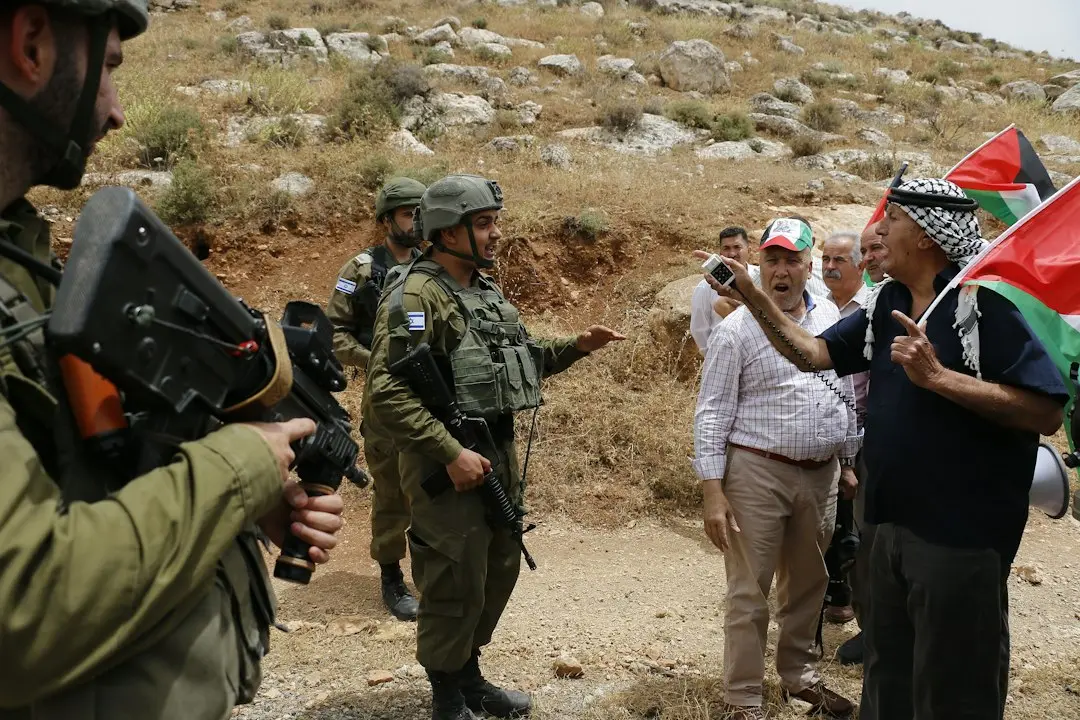
Diplomatic Stalemate Deepens Amidst Military Pressure
Israeli Prime Minister Benjamin Netanyahu allegedly turned down a significant diplomatic offer from Hamas. The proposal reportedly included the immediate release of all remaining civilian captives held in Gaza. These claims have surfaced in recent media reports and political circles. The timing of this alleged rejection coincides with ongoing military operations in the region. Israeli officials have not yet issued a comprehensive official statement confirming or denying these specific details. The situation remains highly volatile and under intense international scrutiny.
Breaking news
 Ronna McDaniel Weighs In on GOP's Path Forward
 Market Sentiment Shifts as S&P 500 Snaps Three-Day Losing Streak
 Voters Demand Stronger Congressional Oversight of Presidential Power
 Pelosi Looks Back, Sees Democratic Triumph Ahead
The alleged offer represented a potential breakthrough in the stalled ceasefire negotiations. Hamas reportedly signaled a willingness to end the current phase of hostilities. In exchange for the release of its own imprisoned members, the group proposed freeing the civilians. This move would have addressed the primary concern of families in Israel. However, the Israeli government maintained its hardline stance on security matters. Netanyahu’s cabinet reportedly prioritized the dismantling of Hamas’s military infrastructure over a partial deal. They viewed any agreement that did not guarantee total security as insufficient.
Will International Pressure Force a Policy Shift?
The rejection of such an offer has drawn sharp criticism from various quarters. Human rights organizations have condemned the decision to hold on to the conflict. They argue that the safety of the hostages should be the top priority. Families of the captives have protested outside government buildings in recent days. They demand that the prime minister prioritize their loved ones' lives. The political fallout within Israel is becoming increasingly visible. Opposition leaders are questioning the strategic logic behind refusing a full civilian release. They argue that the military goals do not justify the prolonged suffering of the hostages. International mediators, including the United States and Qatar, are urging both sides to return to the table. They fear that the breakdown in trust will lead to further escalation. The diplomatic channels remain open but are strained by mutual accusations of bad faith.
The outlook for the remaining hostages remains uncertain and grim. If the reports are accurate, the path to a comprehensive deal is significantly narrowed. Military operations in Gaza continue with little sign of de-escalation. The humanitarian crisis in the strip has reached catastrophic levels. Aid organizations warn that the situation is deteriorating rapidly. The international community is divided on how to respond to this alleged rejection. Some nations are considering stronger sanctions or diplomatic isolation. Others are focusing on providing humanitarian aid to the civilian population. The pressure on Netanyahu’s government is mounting from both domestic and foreign sources. Future negotiations will likely be more difficult and less frequent. The window for a quick resolution appears to be closing. The coming weeks will be critical in determining the next steps. Both sides must decide whether to pursue peace or continue the cycle of violence.
The consequences of inaction could be devastating for all parties involved.
Frequently Asked Questions
Did Israel officially confirm the rejection of the hostage release offer? No, Israeli officials have not provided a definitive public confirmation of the specific terms. Reports suggest the rejection occurred, but official statements remain vague.
What did the Hamas proposal specifically include? The alleged offer involved the release of all remaining civilian hostages. It was reportedly linked to the release of Palestinian prisoners held in Israeli jails.