How Effective Are Current Air Defenses Against Wave Attacks?
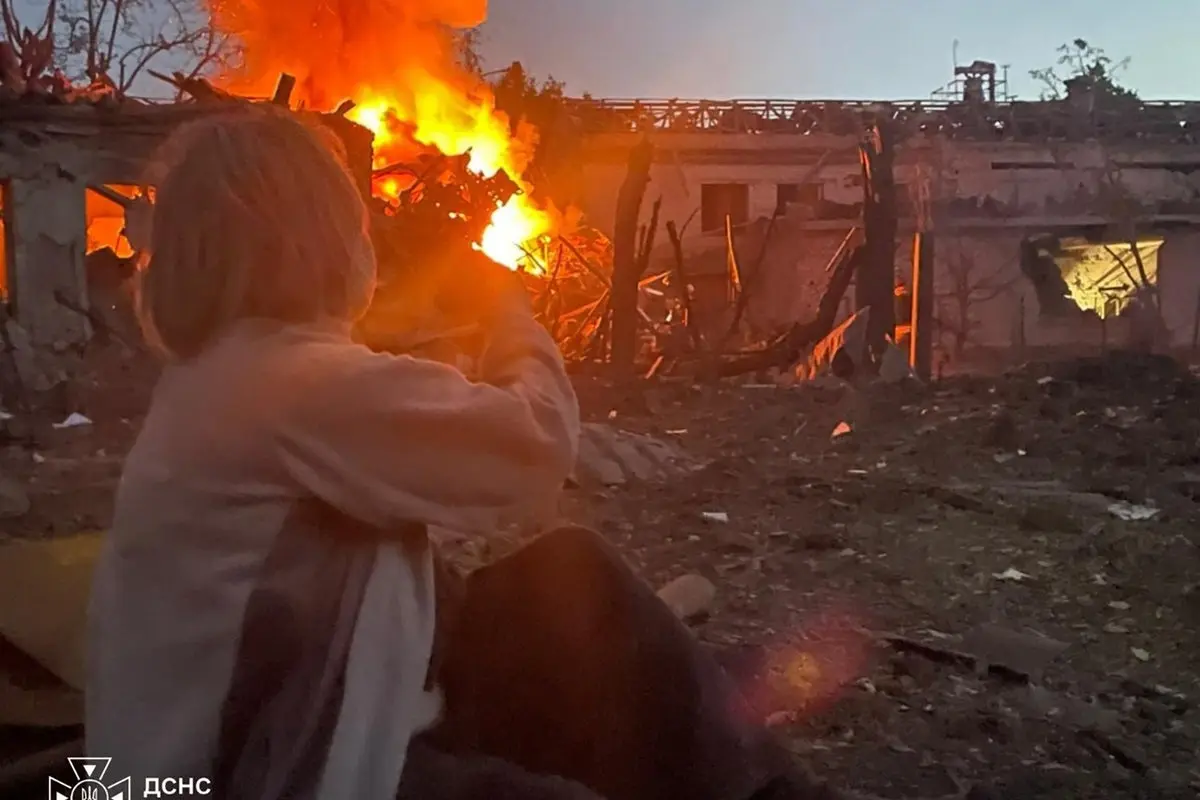
Kyiv, September 1, 2026 – NATO forces scrambled fighter jets overnight after Russian missile and drone strikes hit Ukraine’s capital, killing four people and injuring several others. The attacks occurred during the early hours, targeting residential areas in Kyiv and prompting an immediate air defense response from allied forces stationed in the region. Ukrainian officials confirmed the casualties and said air defense systems intercepted multiple incoming threats over the city and surrounding regions.
Breaking news
 Deadly Glacier and Rock Collapse in Nepal Linked to Climate Warming
 US Congress Passes Sweeping Sanctions Against Russia
 Speaker Johnson Ends House Session Early to Halt Impeachment Effort
 The High-Stakes Fight for Senate Majority Control
The escalation follows a pattern of intensified exchanges between Ukrainian and Russian forces, with both sides launching strikes across borders throughout the night. Moscow reported that its air defenses successfully downed several Ukrainian drones over the Russian capital and the Leningrad region, claiming no damage or casualties on its side. Kyiv, however, maintained that its strikes were precision-targeted at military logistics sites used to support Russian operations in eastern Ukraine. NATO’s enhanced air policing mission, activated earlier this year amid rising tensions, responded by launching interceptors to monitor and deter further incursions into allied airspace.
Ukrainian air force officials noted that while interception rates remain high, the volume and coordination of Russian drone and missile launches are increasing, straining defensive capabilities. Western-supplied systems like NASAMS and IRIS-T have played a critical role in shielding urban centers, but officials warn that sustained barrage tactics could overwhelm even advanced networks. Russian military analysts, speaking through state media, claimed their drone operations are designed to exhaust Ukrainian air defenses and degrade morale, though independent observers question the strategic value of such tactics given limited physical damage inflicted.
What Role Is NATO Playing in Preventing Further Escalation?
Civilian authorities in Kyiv urged residents to remain vigilant and follow air raid alerts, emphasizing that most casualties resulted from falling debris rather than direct hits. Emergency services worked through the night to clear rubble and restore power in affected districts, where windows were shattered and buildings damaged by shockwaves. International observers called for restraint, warning that continued tit-for-tat strikes risk escalating the conflict beyond control.
NATO’s current mission in Eastern Europe focuses on air surveillance, rapid response, and deterrence rather than direct combat involvement. Jets scrambled during the overnight incident were part of routine patrols designed to detect, track, and discourage unauthorized flights near alliance borders. Alliance officials reiterated that NATO remains defensive in posture but stands ready to protect member states from any armed attack. They also stressed that any decision to engage would require unanimous consent among members and strict adherence to international law.
Diplomatic channels between Washington and Moscow remain open, though talks have yielded little progress in recent weeks. Ukrainian President Volodymyr Zelenskyy thanked NATO allies for their swift response and urged continued military support, particularly in strengthening long-range air defense coverage. Meanwhile, Russian officials accused the West of provoking escalation through arms deliveries and intelligence sharing, framing their own actions as necessary countermeasures.
Frequently Asked Questions
Was NATO directly involved in defending Kyiv during the attack? No, NATO aircraft did not engage incoming missiles or drones over Ukrainian territory. Their role was limited to monitoring and deterring potential threats to allied airspace, consistent with the alliance’s defensive mandate.
Are civilian casualties increasing in these exchanges? While both sides report military targeting, urban areas near front lines and capital cities have seen occasional casualties due to intercepted weapons causing debris fallout, raising concerns about proportionality and civilian protection.
Could these attacks lead to a broader NATO-Russia confrontation? Analysts consider direct conflict unlikely unless NATO territory is attacked or a member state invokes Article 5. Current incidents, though serious, remain below the threshold that would trigger collective defense obligations under the treaty.