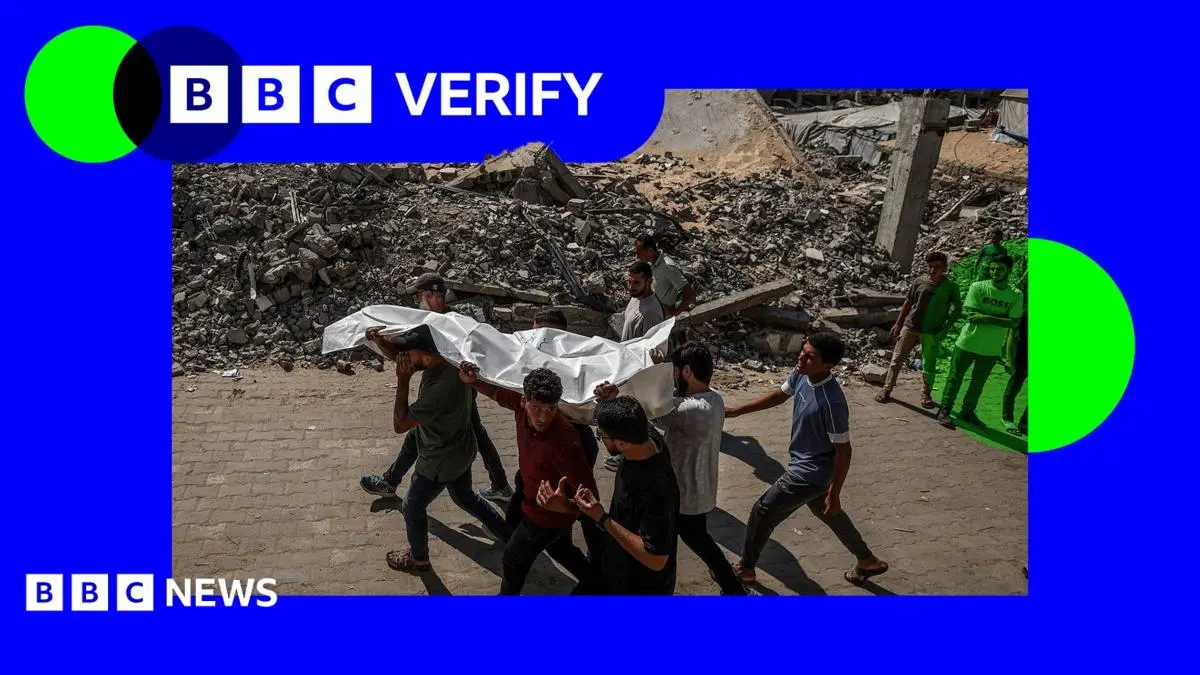
How reliable are the casualty figures from Gaza’s health ministry?
Over 900 people have been killed in Israeli attacks in Gaza since October 10, according to the Hamas-run Ministry of Health, despite the ceasefire agreement that began in January. The figure includes civilians, combatants, and those killed in strikes across the Strip, with the ministry reporting a steady rise in fatalities even during periods of reduced fighting. The data reflects ongoing violence that has persisted despite diplomatic efforts to halt hostilities, raising concerns about the durability of the truce and the humanitarian toll on Gaza’s population.
Breaking news
 Deadly Glacier and Rock Collapse in Nepal Linked to Climate Warming
 US Congress Passes Sweeping Sanctions Against Russia
 Speaker Johnson Ends House Session Early to Halt Impeachment Effort
 The High-Stakes Fight for Senate Majority Control
The ministry’s latest update, released on April 5, states that the death toll has surpassed 900 since the start of the year, with many victims being women and children. Health officials say Israeli military operations continue in northern and southern Gaza, targeting areas where Hamas militants are believed to operate, though strikes often impact residential zones, schools, and medical facilities. The ceasefire, brokered by Qatar, Egypt, and the United States, has been repeatedly violated, with both sides accusing each other of breaches. International observers have documented increased airstrikes and artillery fire in recent weeks, particularly around Rafah and Khan Younis, contributing to the rising casualty count.
What does this mean for the future of the ceasefire?
The Hamas-run Ministry of Health has been the primary source of casualty data throughout the conflict, though its numbers are sometimes questioned by Israel and some international bodies due to Hamas’s governance role. However, the United Nations, World Health Organization, and independent humanitarian groups have frequently corroborated the ministry’s figures, noting that its reporting system remains functional despite widespread destruction of infrastructure. Ministry officials say they collect data from hospitals, morgues, and field reports, cross-checking names and identities to avoid duplication. While access constraints and chaos make verification difficult, experts generally consider the ministry’s numbers a credible baseline for understanding the scale of loss.
The rising death toll threatens to undermine the fragile ceasefire, which was intended to allow humanitarian aid into Gaza and facilitate the release of hostages. Aid agencies warn that continued violence disrupts food, water, and medical deliveries, worsening conditions for over two million Palestinians. Mediators are reportedly working to reinforce the truce, but without meaningful concessions from both sides, the risk of a full-scale resumption of fighting remains high. For Gaza’s residents, the persistent violence means more displacement, trauma, and uncertainty about when — or if — lasting peace might arrive.
Why does the death toll keep rising during a ceasefire? The ceasefire has been intermittently violated by both Israeli military operations and rocket fire from Palestinian factions, leading to ongoing strikes that result in casualties despite the agreement.
Frequently Asked Questions
Are the 900+ deaths all civilians? The ministry does not always distinguish between combatants and civilians in its reports, but it states that a significant proportion of those killed are women, children, and elderly individuals, indicating heavy civilian impact.
Is the ceasefire still in effect? While the ceasefire remains officially in place, its effectiveness is severely compromised by repeated violations, and it is currently holding only in name in many areas of Gaza.