A Diplomatic Shift in Strategic Ties
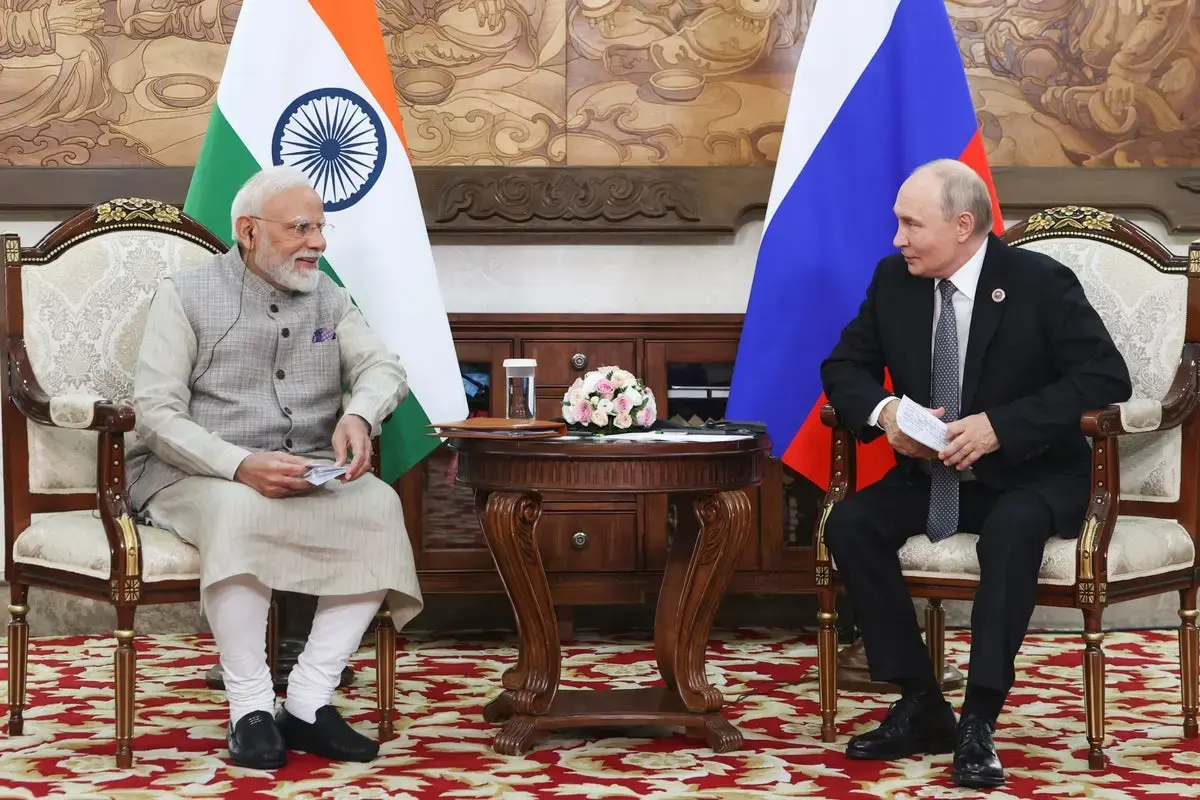
Indian Prime Minister Narendra Modi directly challenged Russian President Vladimir Putin during a high-stakes meeting this week. Standing before the Russian leader, who appeared visibly strained, Modi called for an immediate resolution to the ongoing war in Ukraine. He emphasized that the global community must prioritize humanitarian concerns over military aggression.
Breaking news
 Deadly Glacier and Rock Collapse in Nepal Linked to Climate Warming
 US Congress Passes Sweeping Sanctions Against Russia
 Speaker Johnson Ends House Session Early to Halt Impeachment Effort
 The High-Stakes Fight for Senate Majority Control
The meeting highlights a complex diplomatic balancing act for New Delhi. India remains a primary purchaser of Russian crude oil, providing a vital financial lifeline for Moscow. This trade has effectively allowed the Kremlin to stabilize its national budget despite aggressive economic sanctions imposed by Western nations following the invasion.
Modi’s public remarks represent a notable departure from India’s traditionally cautious stance on the conflict. While India has maintained strong historical and economic ties with Russia, the Prime Minister’s appeal suggests growing international pressure to address the war's devastating impact. By invoking the concept of humanity, Modi signaled that the current status quo is becoming increasingly difficult to defend on the global stage.
Can India Mediate a Path to Peace?
The interaction captured a rare moment of visible tension for the Russian President. As the war drags on, Moscow faces mounting scrutiny regarding its isolation from Western markets. India’s continued reliance on Russian energy has been a point of contention for many international partners who seek to cut off funding for the Russian military machine.
Observers are now questioning whether India can leverage its unique position to act as a mediator. By maintaining open lines of communication with both Moscow and Western capitals, New Delhi occupies a rare diplomatic space. However, the effectiveness of such appeals remains uncertain as the battlefield situation in Ukraine continues to evolve without a clear path toward negotiations.
The long-term consequences of this exchange could reshape India's role in global geopolitics. If New Delhi continues to push for peace while simultaneously fueling the Russian economy through oil purchases, it faces a difficult path ahead. The international community will be watching closely to see if this diplomatic pressure yields any tangible changes in Russian policy.
Frequently Asked Questions
Why is India’s stance on Russia significant? India is a major global economy and one of the largest buyers of Russian oil. Its diplomatic position carries weight because it maintains ties with both Russia and Western nations.
What was the primary message delivered by Narendra Modi? Modi urged Putin to end the war in Ukraine. He framed the request as a necessity for the sake of humanity rather than just political interests.
How does oil trade affect the conflict? The revenue from oil exports helps Moscow replenish its national budget. This financial support allows Russia to sustain its military operations despite extensive international sanctions.