Is This a Sign of Stabilization in Energy Trade?
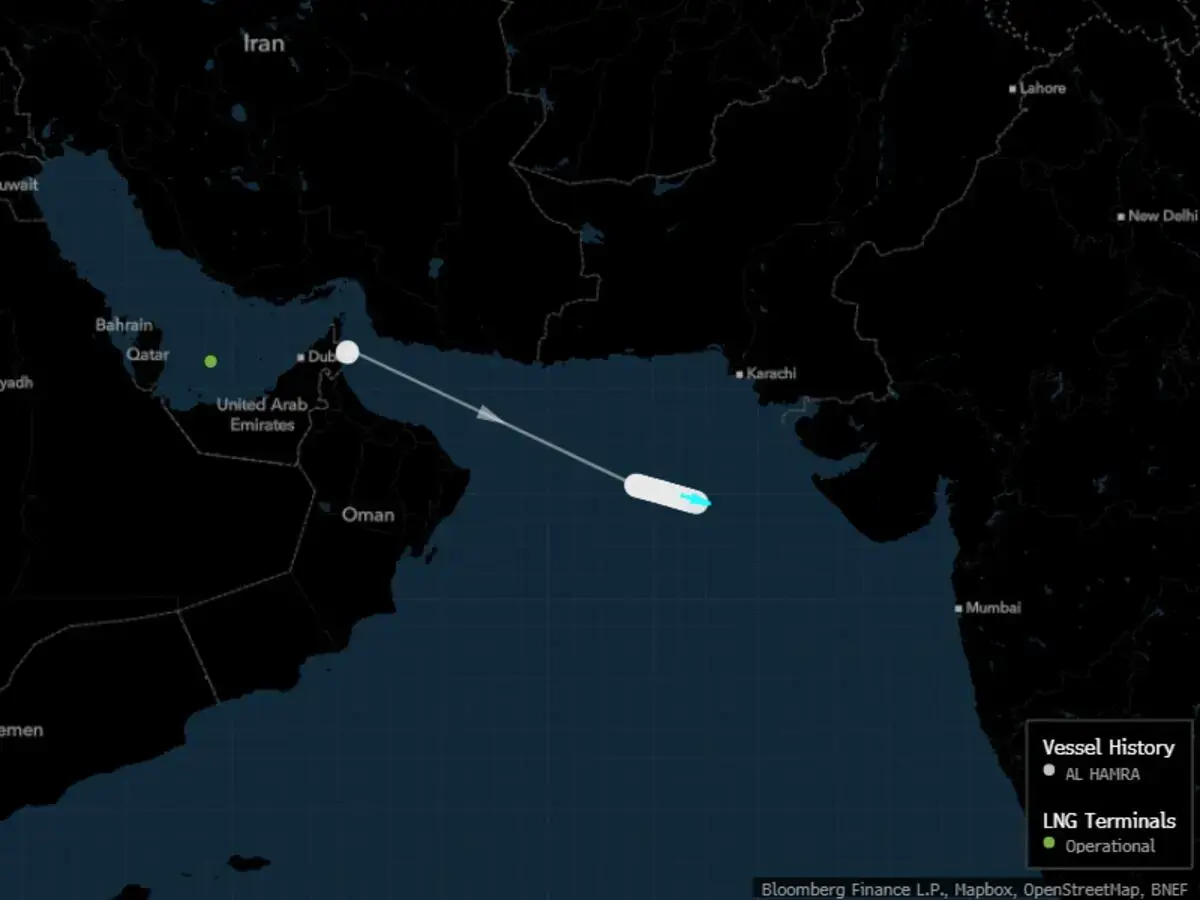
A liquefied natural gas (LNG) tanker has successfully navigated through the Strait of Hormuz, heading to India. This marks the first such shipment since the onset of the ongoing conflict in the region. The vessel's journey is a significant development in global energy trade amidst escalating tensions.
Breaking news
 Greenpeace Investigates Zaporizhzhia Nuclear Plant Power Lines
 Researcher warns strict age limits needed for children on social media
 Hezbollah defends its arsenal amid Lebanese political deadlock
 Can an AI Chatbot Reduce Maternal Deaths in Kenya?
The Strait of Hormuz is a crucial maritime route for oil and gas shipments, making this LNG tanker’s departure noteworthy. The ongoing conflict has raised concerns about the safety of maritime operations in the area. Despite these risks, the tanker has managed to complete its passage, indicating a level of resilience in energy supply chains.
The departure of the LNG tanker could suggest a potential stabilization in the energy market, particularly for countries reliant on imports. Analysts believe that this shipment may help alleviate some of the pressure on energy supplies in India, which has been grappling with rising energy demands. The successful transit also reflects the ability of shipping companies to navigate through challenging conditions.
How Will This Impact Global Energy Markets?
Shipping routes have been under scrutiny since the conflict began, with many vessels either rerouting or delaying their journeys. However, this tanker’s successful exit from Hormuz could encourage other operators to resume regular shipments. Energy experts are watching closely to see if this trend continues.
The implications of this shipment extend beyond India. A consistent flow of LNG from the Gulf region is vital for many countries, especially those in Asia. If more tankers follow suit, it could lead to a more stable energy supply and potentially lower prices. However, the situation remains precarious, as tensions in the region could disrupt future shipments.
As the world continues to recover from the pandemic and energy demands surge, the need for reliable LNG supplies has never been greater. This recent shipment may serve as a beacon of hope for nations reliant on energy imports, signaling that trade can persist even amid geopolitical strife.
Frequently Asked Questions
What is the significance of this LNG shipment? This shipment is the first LNG tanker to leave the Strait of Hormuz for India since the conflict began, highlighting resilience in energy trade.
How might this affect energy prices? If more LNG shipments continue from the region, it could stabilize supplies and potentially lower prices for consumers in importing countries.
What risks remain for future shipments? Ongoing tensions in the region pose risks to shipping routes, and any escalation in conflict could disrupt future LNG deliveries.