Hezbollah’s Presence Under Scrutiny
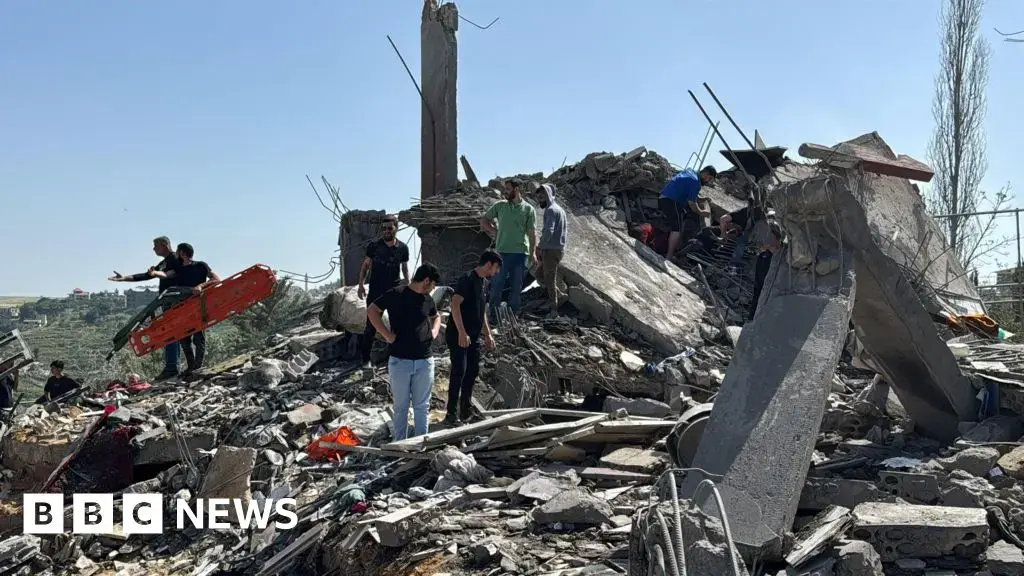
Israeli air strikes across Lebanon have killed 39 people, Lebanese authorities confirmed Thursday. The attacks hit multiple areas in southern Lebanon and the Beirut suburbs, marking a sharp escalation despite a ceasefire deal announced last month. The casualties include women and children.
Breaking news
 Deadly Glacier and Rock Collapse in Nepal Linked to Climate Warming
 US Congress Passes Sweeping Sanctions Against Russia
 Speaker Johnson Ends House Session Early to Halt Impeachment Effort
 The High-Stakes Fight for Senate Majority Control
The strikes come amid ongoing cross-border clashes between Israel and Hezbollah. Though both sides agreed to a ceasefire roughly a month ago, sporadic violence has continued. This latest wave of bombing suggests the truce is unraveling. Israel says it targeted Hezbollah military infrastructure, alleging the group has not withdrawn fighters from the border zone as required.
Israeli officials claim Hezbollah has failed to comply with the ceasefire terms, particularly its obligation to pull forces back from the area north of the Litani River. Defense Minister Israel Katz stated that Hezbollah still operates in „strategic depth” inside Lebanon. „We will not tolerate armed groups near our border,” he said.
Lebanon’s Health Ministry reported that 16 of the dead were women and 10 were children. The strikes damaged homes, roads, and medical facilities in Nabatieh, Tyre, and southern Beirut. Rescue teams worked through the night to pull survivors from rubble. One medic in southern Lebanon said, „We’re seeing injuries we haven’t seen since the 2006 war.”
Is the Ceasefire Already Collapsing?
The United Nations has expressed alarm. UNIFIL, the peacekeeping force in southern Lebanon, reported that its patrols have been hindered by ongoing hostilities. A spokesperson urged both sides to fully implement the ceasefire. „Every violation risks dragging the region back into full-scale conflict,” the statement read.
Despite international efforts to stabilize the border, fighting has persisted in recent weeks. The ceasefire, brokered by the U. S. and France, was meant to create conditions for displaced civilians to return home. But over 100,000 Lebanese remain displaced, fearing renewed attacks.
Analysts say the current violence undermines the agreement’s credibility. „The ceasefire exists on paper, but on the ground, both sides are testing limits,” said a Middle East security expert. „One major incident could spark a wider war.”
Frequently Asked Questions
The Israeli military claims it only strikes when Hezbollah poses an imminent threat. Yet Hezbollah has launched rockets and drones into northern Israel during the supposed truce. Israel responded with airstrikes, creating a cycle of retaliation.
What caused the latest escalation? Israeli forces launched strikes, saying Hezbollah has not withdrawn from border areas as agreed. Hezbollah has continued launching attacks into northern Israel, prompting military responses.
How has the international community reacted? The U. S., France, and the UN are urging both sides to uphold the ceasefire. Diplomats warn that further violations could derail peace efforts and trigger a broader conflict.
Are civilians able to return home? Most have not returned. Over 100,000 Lebanese remain displaced due to ongoing strikes and insecurity in border regions. Many fear it is still too dangerous to go back.