Regional Diplomacy Stalls
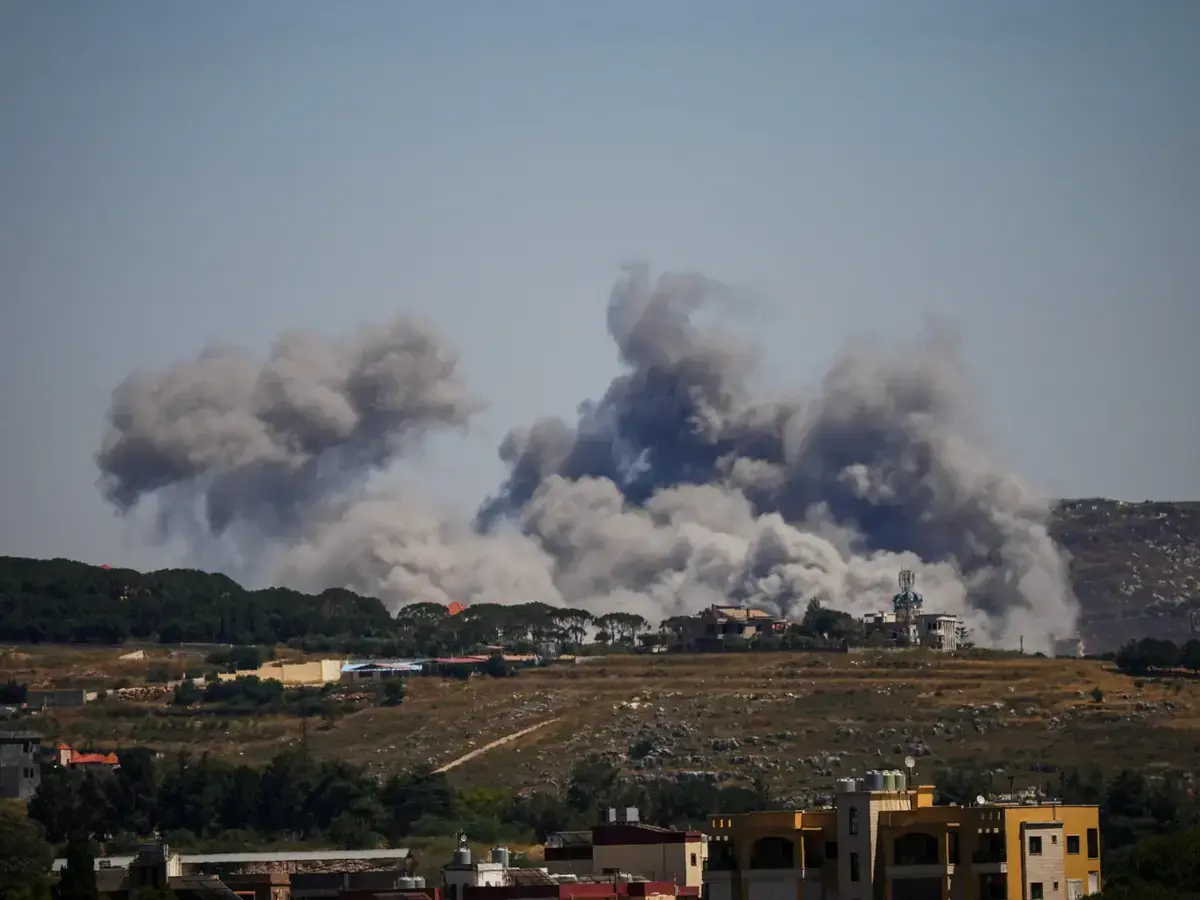
Fighting continues between Israel and Hezbollah in Lebanon, despite reported ceasefire efforts. Iran has expressed skepticism about a potential deal to de-escalate regional tensions. The conflict has resulted in a rising death toll, now exceeding 3,500 people. These events unfold on the 98th day of ongoing conflict.
Breaking news
 Deadly Glacier and Rock Collapse in Nepal Linked to Climate Warming
 US Congress Passes Sweeping Sanctions Against Russia
 Speaker Johnson Ends House Session Early to Halt Impeachment Effort
 The High-Stakes Fight for Senate Majority Control
Israel launched new strikes on Lebanese territory, disregarding attempts to establish a lasting truce. Hezbollah has publicly rejected any proposed agreements, signaling continued resistance. The escalating violence raises concerns about a wider regional conflict. The high number of casualties underscores the severity of the situation.
Tehran is voicing serious doubts about the possibility of a meaningful agreement. Iranian officials haven’t detailed specific concerns, but suggest current proposals are insufficient. This position complicates international efforts to stabilize the region. It casts a shadow over diplomatic initiatives aimed at preventing further escalation.
Can a Ceasefire Truly Hold?
The rejection of a deal by Hezbollah further complicates matters. The group remains committed to its objectives, despite the mounting casualties. They view current proposals as failing to address core issues. This stance suggests a prolonged conflict is likely, unless significant concessions are made. The group’s leadership has not signaled any willingness to negotiate.
The viability of any ceasefire hinges on multiple factors. First, both Israel and Hezbollah must genuinely commit to halting hostilities. Second, a credible mechanism for monitoring the truce is essential. Without these elements, any agreement risks quickly collapsing. The current situation demonstrates the fragility of temporary pauses in fighting.
The death toll, now over 3,500, paints a grim picture. The majority of casualties are civilians caught in the crossfire. The destruction of infrastructure is widespread, exacerbating the humanitarian crisis. Aid organizations struggle to reach those in need, due to ongoing violence and restricted access. The long-term consequences for Lebanon will be devastating.
Frequently Asked Questions
The continued fighting and Iran’s reluctance create a dangerous situation. A prolonged conflict could draw in other regional actors. It also risks further destabilizing an already volatile area. International pressure is mounting, but its effectiveness remains uncertain. The outlook for peace remains bleak, without a significant shift in positions.
What is Hezbollah’s primary goal in this conflict? Hezbollah aims to pressure Israel and secure concessions regarding disputed territories and Palestinian rights. They view the current conflict as part of a larger struggle against Israeli occupation. The group has a long history of confrontation with Israel.
Why is Iran skeptical of a potential deal? Iran believes current proposals do not adequately address the root causes of regional instability. They seek guarantees that will protect their interests and allies. Tehran wants a comprehensive solution, not just a temporary fix.