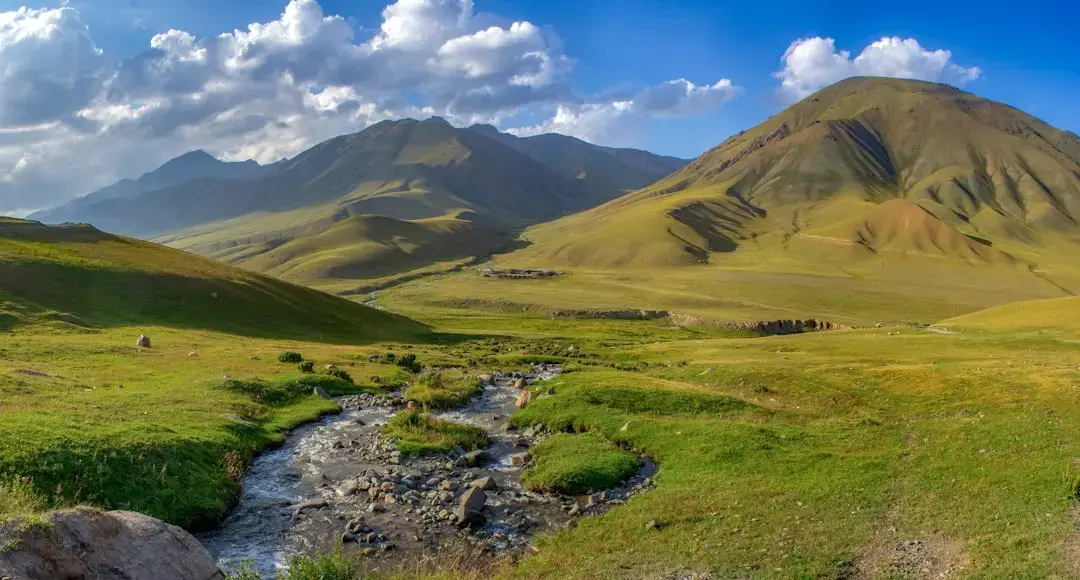
Kyrgyzstan’s Geopolitical Tightrope
Bishkek welcomed leaders of the Shanghai Cooperation Organisation on Tuesday, marking the first summit of its kind in Kyrgyzstan since the bloc’s expansion. Delegates from China, Russia, India, Pakistan and several Central Asian states gathered to discuss security, trade and regional cooperation amid rising tensions between the West and Eurasian powers. The three‑day meeting coincides with heightened scrutiny of China’s Belt and Road projects and Russia’s war in Ukraine, placing Kyrgyzstan at a diplomatic crossroads.
Breaking news
 Deadly Glacier and Rock Collapse in Nepal Linked to Climate Warming
 US Congress Passes Sweeping Sanctions Against Russia
 Speaker Johnson Ends House Session Early to Halt Impeachment Effort
 The High-Stakes Fight for Senate Majority Control
The summit arrives as Kyrgyzstan seeks to balance its historic ties to Moscow with growing economic links to Beijing and emerging partnerships with the United States and Europe. President Sadyr Japarov opened the talks, emphasizing the country’s strategic location along the ancient Silk Road and its role as a bridge between competing interests. Officials highlighted new infrastructure plans, including a railway corridor linking the Ferghana Valley to Chinese ports, and a joint anti‑terrorism framework aimed at curbing extremist activity along the porous borders. Analysts note that Kyrgyzstan’s modest economy, heavily reliant on remittances, stands to gain from diversified trade routes, yet the nation must navigate pressure from larger neighbors eager to shape its foreign policy.
Kyrgyzstan’s leadership walks a fine line between leveraging its geography and preserving sovereignty. By hosting the SCO summit, Bishkek signals openness to deeper integration with the bloc while quietly courting Western investors for renewable‑energy projects in the Tien Shan mountains. „We are not choosing sides; we are choosing development,” said Japarov during a press briefing, underscoring the government’s intent to use the summit as a platform for economic diversification.
Will the SCO Summit Redefine Central Asian Alliances?
The event also showcased Kyrgyzstan’s commitment to regional stability. Delegates signed a memorandum on joint border patrols and information sharing, a move aimed at deterring cross‑border smuggling and radicalization. Meanwhile, Chinese representatives pledged $1.2 billion for a new highway linking Bishkek to the Chinese border, promising to cut transport costs for Kyrgyz exporters. Russian officials, on the other hand, offered military training programs for Kyrgyz security forces, reinforcing long‑standing defense ties.
Observers question whether the summit will reshape the balance of power in Central Asia. The presence of Indian and Pakistani ministers, traditionally at odds, suggests the SCO could serve as a neutral forum for dialogue. However, critics warn that the bloc’s expanding influence may marginalize smaller members like Kyrgyzstan, pushing them into a dependency cycle. „The real test is whether Kyrgyzstan can extract tangible benefits without compromising its policy autonomy,” noted regional expert Aida Bekturova.
The summit concluded with a joint declaration urging member states to accelerate infrastructure projects, enhance counter‑terrorism cooperation, and respect each nation’s sovereignty. While concrete outcomes remain to be seen, the gathering has already elevated Kyrgyzstan’s diplomatic profile and set the stage for future negotiations on trade corridors and security arrangements.
Frequently Asked Questions
What is the Shanghai Cooperation Organisation? The SCO is a Eurasian political, economic, and security alliance founded in 2001, currently comprising China, Russia, India, Pakistan and eight Central Asian countries, including Kyrgyzstan.
How will the summit affect Kyrgyzstan’s economy? If pledged infrastructure projects materialize, Kyrgyzstan could see reduced transport costs, increased export capacity, and new investment in energy and tourism sectors, potentially boosting GDP growth.
Is Kyrgyzstan risking its independence by deepening ties with the SCO? While closer cooperation brings economic benefits, it also raises concerns about external influence. The government asserts it will maintain a balanced foreign policy, but analysts caution that reliance on larger powers could limit policy flexibility.