Why Israel Claims the Zone Is Necessary
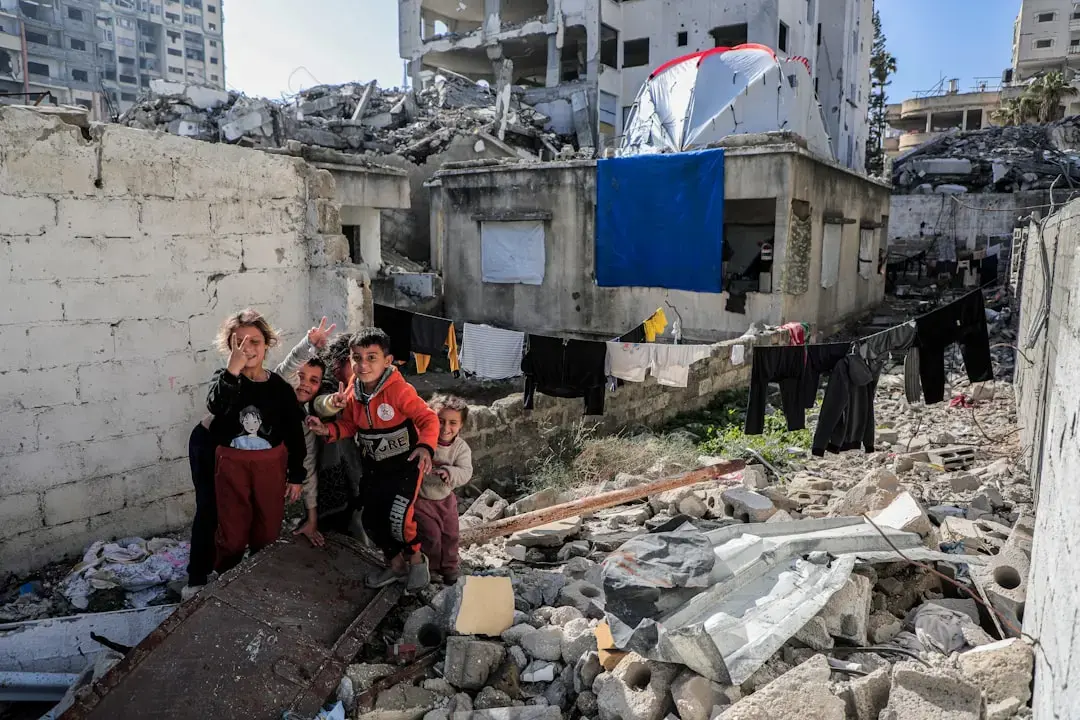
Israeli military units destroyed residential structures in the village of Houla, located in southern Lebanon near the Israeli border, according to eyewitness accounts and local reports. The operation occurred as troops advanced through the adjacent area of Mais al-Jabal, moving within a zone Israel has designated as a security buffer extending approximately ten kilometres into Lebanese territory. The actions took place amid ongoing tensions along the frontier, with Israeli forces conducting clearance and demolition activities in areas they claim are used for hostile incursions.
Breaking news
 Deadly Glacier and Rock Collapse in Nepal Linked to Climate Warming
 US Congress Passes Sweeping Sanctions Against Russia
 Speaker Johnson Ends House Session Early to Halt Impeachment Effort
 The High-Stakes Fight for Senate Majority Control
The demolitions in Houla involved the use of explosives to bring down houses, leaving rubble where homes once stood. Israeli officials have stated that such operations are necessary to eliminate potential threats and maintain security along the border, particularly in response to cross-border fire and infiltration attempts. Local residents described scenes of destruction, with families displaced and livelihoods disrupted as entire neighbourhoods were reduced to debris. The military presence in Mais al-Jabal suggests a broader operational push, with troops conducting patrols and searches in the surrounding terrain.
What Are the Humanitarian Consequences?
Israel maintains that the self-declared security zone is vital for preventing attacks from Lebanese territory, citing past incidents involving rocket launches and militant movements near the border. The military argues that clearing structures and monitoring the area reduces hiding places for hostile groups and allows for better surveillance. However, Lebanese authorities and international observers have repeatedly challenged the legitimacy of the zone, asserting that it violates Lebanese sovereignty and United Nations Security Council Resolution 1701, which ended the 2006 Lebanon War and called for the withdrawal of Israeli forces from Lebanese land.
The destruction of homes in Houla has left dozens of families without shelter, exacerbating hardship in a region already strained by economic crisis and limited access to basic services. Aid organizations have expressed concern over the lack of alternative accommodation and the psychological toll on civilians, particularly children, who have witnessed the demolition of their neighbourhoods. Rebuilding efforts face significant obstacles due to restricted access, ongoing security alerts, and the absence of a clear timeline for de-escalation along the border.
Is the security zone recognized internationally? No, the zone established by Israel is not recognized by the United Nations or the Lebanese government, which consider it an encroachment on Lebanese sovereignty under existing ceasefire agreements.
Frequently Asked Questions
Are civilians being targeted in these operations? Israeli forces state their actions target infrastructure used for militant activity, but local reports indicate residential areas are affected, raising concerns about disproportionate impact on non-combatants.
What is the likelihood of further escalation? While both sides have avoided large-scale conflict recently, repeated border incidents and military activities suggest tensions remain high, with the potential for sudden escalation if provocations occur on either side.