Lebanon Faces Mounting Losses
Fighting between Israel and Iran has paused, but the situation remains volatile. Israeli airstrikes in Lebanon have resulted in significant casualties since March. Former U. S. President Donald Trump has publicly cautioned Israeli Prime Minister Benjamin Netanyahu.
Breaking news
 Deadly Glacier and Rock Collapse in Nepal Linked to Climate Warming
 US Congress Passes Sweeping Sanctions Against Russia
 Speaker Johnson Ends House Session Early to Halt Impeachment Effort
 The High-Stakes Fight for Senate Majority Control
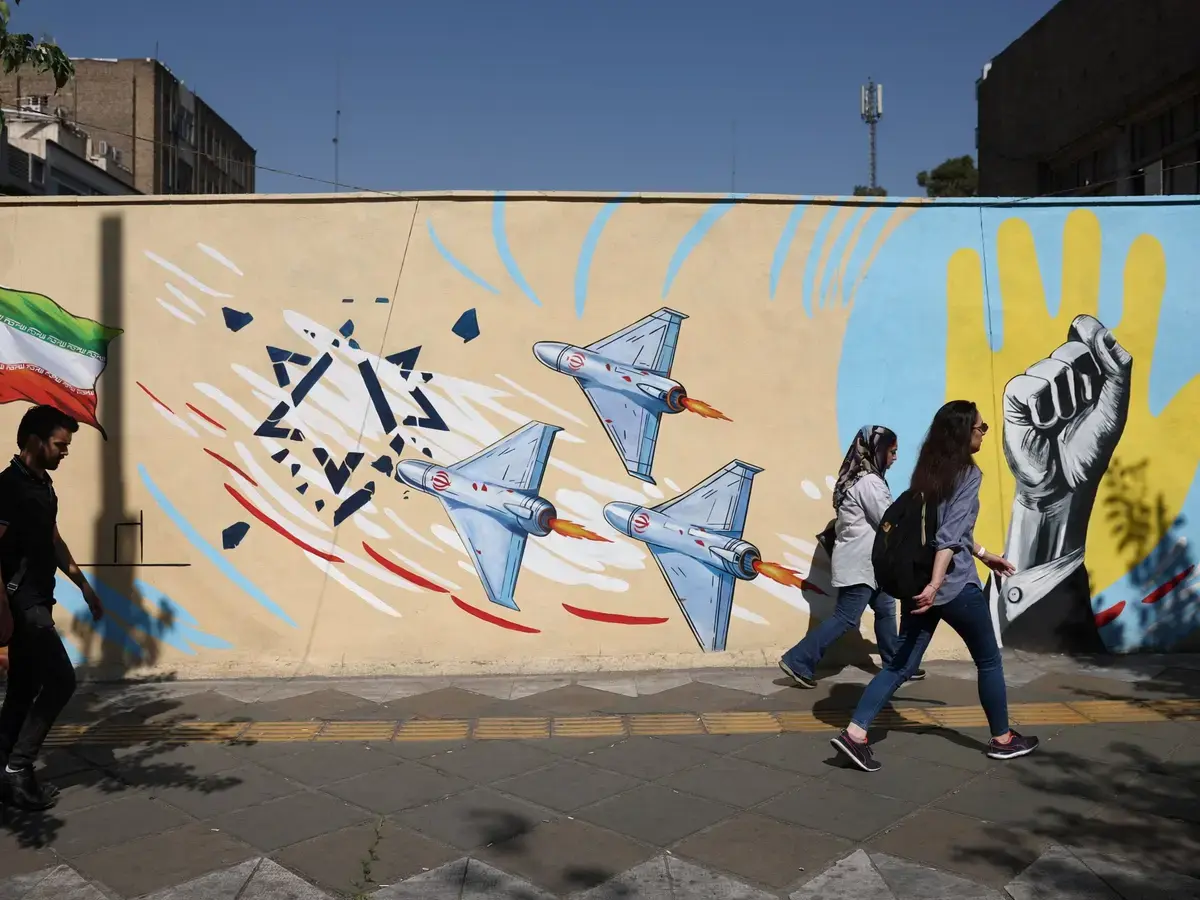
The recent escalation involved direct attacks between the two nations. Iran launched drones and missiles toward Israel in retaliation for an earlier strike on the Iranian consulate in Damascus. Israel responded with its own attacks, targeting sites within Iran. These exchanges raised fears of a wider regional conflict.
Lebanon’s Health Ministry reports a grim toll from Israeli strikes. As of today, 3,637 people have been killed and 11,188 wounded since March. The strikes have heavily impacted civilian infrastructure and communities. Residents of Tel Aviv expressed shock and concern following the Iranian response, describing a sense of vulnerability. Many felt unprepared for such a direct attack.
Will Diplomacy Prevail?
The intensity of the fighting prompted international calls for de-escalation. Several countries urged both sides to exercise restraint and return to diplomatic solutions. The United States has been actively involved in mediating between Israel and Iran, seeking to prevent further escalation. Trump’s warning to Netanyahu suggests a divergence in approaches to the conflict.
The current pause in fighting is fragile. It's unclear if this represents a genuine shift toward de-escalation or simply a temporary respite before renewed hostilities. Analysts suggest that both Israel and Iran have signaled their capabilities through these attacks. This may be a strategic attempt to deter future aggression. However, the underlying tensions remain unresolved.
Frequently Asked Questions
The situation is further complicated by the ongoing conflict in Gaza. The war has created a climate of instability and mistrust in the region. Resolving the Gaza crisis is seen as crucial to achieving lasting peace and security. Without addressing this core issue, the risk of future conflicts will remain high. The international community must prioritize diplomatic efforts to prevent further bloodshed.
What is the current status of the conflict? The immediate exchange of attacks between Israel and Iran has ceased. However, the situation remains highly unstable, with the potential for renewed fighting. International efforts are focused on preventing further escalation.
How many casualties have resulted from Israeli strikes in Lebanon? Since March, Israeli strikes in Lebanon have killed 3,637 people and wounded 11,188, according to the Lebanese Health Ministry. These figures highlight the devastating impact of the conflict on civilian populations.