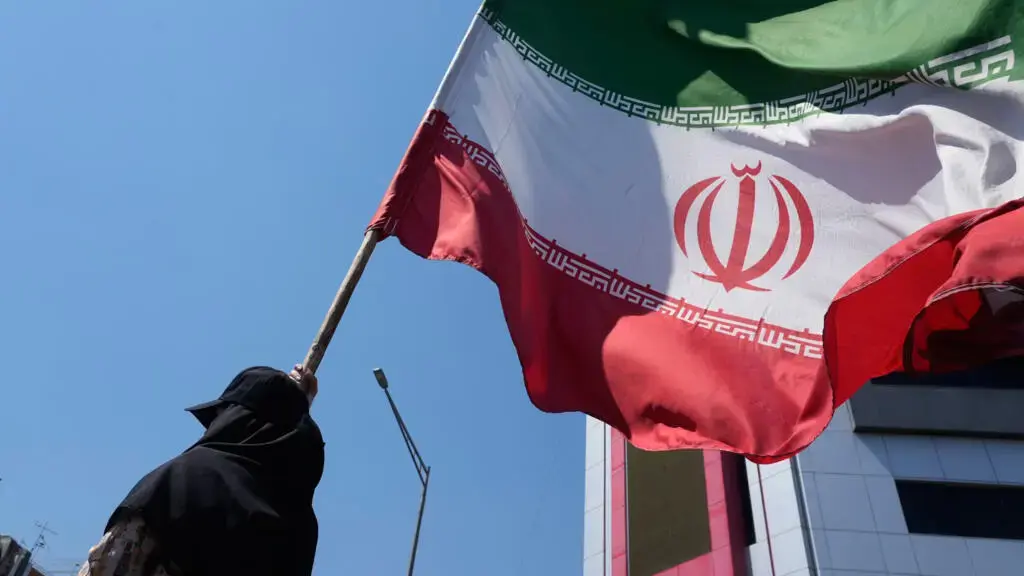
A Fragile Calm After Renewed Clashes
Israel and Iran appeared to pull back from further military action on Monday after exchanging fire for the first time since a US-brokered ceasefire two months ago. The clashes occurred in the Middle East region. Both countries had been on high alert.
Breaking news
 Deadly Glacier and Rock Collapse in Nepal Linked to Climate Warming
 US Congress Passes Sweeping Sanctions Against Russia
 Speaker Johnson Ends House Session Early to Halt Impeachment Effort
 The High-Stakes Fight for Senate Majority Control
The exchange of fire marked a significant escalation in tensions between the two nations, with both sides warning they would retaliate if attacked again. Regional powers had been working to de-escalate the situation.
The ceasefire, brokered by the US, had held for two months, but the recent exchange of fire raised concerns about the stability of the region. Both Israel and Iran have shown restraint so far, but the situation remains volatile.
Can the Ceasefire Hold Again?
The international community is watching closely as the situation unfolds. Diplomatic efforts are underway to prevent further escalation.
The consequences of a full-scale conflict between Israel and Iran would be severe, with potential repercussions for the entire region. The current calm is fragile, and it remains to be seen whether it will hold.
Frequently Asked Questions
What triggered the recent clashes between Israel and Iran? The exact trigger is unclear, but tensions have been building for weeks. Both sides blame each other for the escalation.
Will the US continue to play a role in mediating the conflict? The US has been involved in efforts to broker a ceasefire and may continue to play a role. Its involvement is seen as crucial by some regional players.
What are the potential consequences of a wider conflict? A full-scale war could have severe economic and humanitarian consequences, potentially drawing in other regional players. The impact would be felt far beyond the immediate region.