How the Guard Described Its Operations
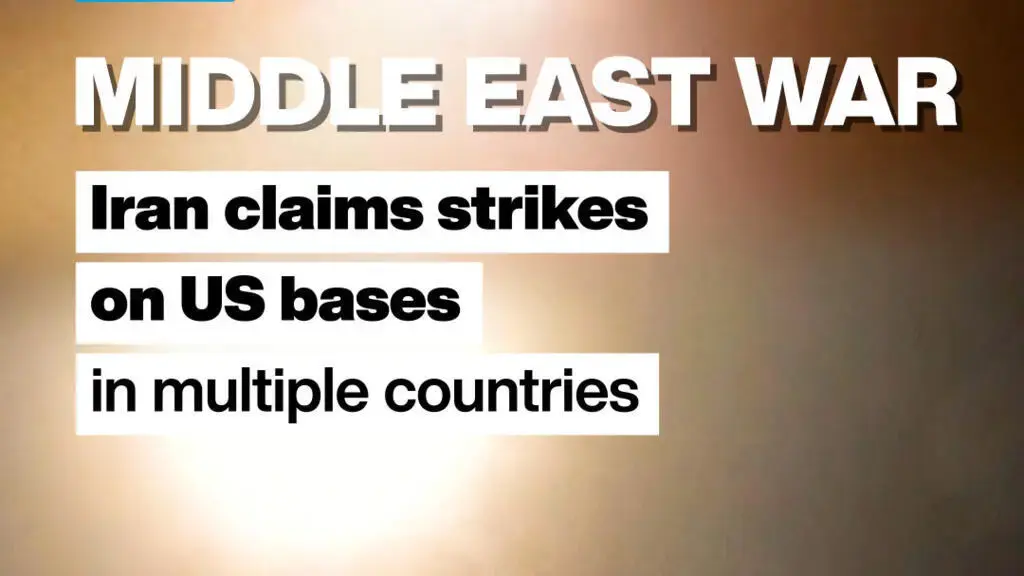
On Monday, Iran’s Islamic Revolutionary Guard Corps announced that it had struck U. S. military installations in several Middle Eastern countries, claiming successful attacks on American bases. The statements came from senior Guard officials and were broadcast on state media.
Breaking news
 Deadly Glacier and Rock Collapse in Nepal Linked to Climate Warming
 US Congress Passes Sweeping Sanctions Against Russia
 Speaker Johnson Ends House Session Early to Halt Impeachment Effort
 The High-Stakes Fight for Senate Majority Control
The Guard said the operations were a response to what it described as ongoing U. S. aggression in the region. No independent verification of the strikes has been offered, and Washington has not confirmed any damage. Analysts note that Iran has previously used drones and missiles in similar statements, but the exact weapons used this time remain unclear. The claims heighten tensions that have already strained U. S.–Iran relations after years of proxy conflicts and sanctions.
In the televised briefing, Guard commanders asserted that coordinated strikes hit multiple U. S. sites simultaneously. They emphasized precision targeting and the ability to reach distant locations without leaving a trace. While no specific bases were named, the language suggested installations in Iraq, Syria, and possibly the Gulf region. Iranian officials framed the attacks as a deterrent, warning that any further U. S. moves would meet a similar response. The statements also highlighted Iran’s growing self‑reliance in missile and drone technology, a point the Guard appears eager to showcase to domestic and regional audiences.
Why Is Tehran Targeting U. S. Facilities Now?
The timing of the claims coincides with heightened diplomatic activity surrounding the nuclear talks and recent U. S. military maneuvers in the area. Tehran may be seeking leverage ahead of negotiations, using the threat of direct action to pressure Washington. Additionally, the Guard’s messaging aligns with a broader strategy to project strength after years of perceived isolation. By publicizing alleged strikes, Iran signals that it can reach U. S. forces despite sanctions and regional opposition, aiming to rally regional allies and deter further American involvement.
The episode could spur a new round of diplomatic warnings and military posturing. The United States may choose to respond with diplomatic protests, increased force protection measures, or limited retaliatory actions. Regional partners will watch closely, weighing the risk of escalation against the need to maintain stability. If the claims prove accurate, they could reshape the calculus of U. S. presence in the Middle East and prompt renewed calls for conflict de‑escalation.
Frequently Asked Questions
Did the United States confirm the alleged strikes? No, the U. S. government has not acknowledged any attacks on its bases and has offered no comment on the Guard’s statements.
Which countries did Iran say were targeted? Iran did not specify exact locations, but officials hinted at installations in Iraq, Syria, and the broader Gulf region.
What are the possible next steps for both sides? Washington may increase security at its regional sites and issue diplomatic protests, while Tehran could continue to use such claims to influence negotiations and regional dynamics.