How are schools coping with damaged facilities and staff shortages?
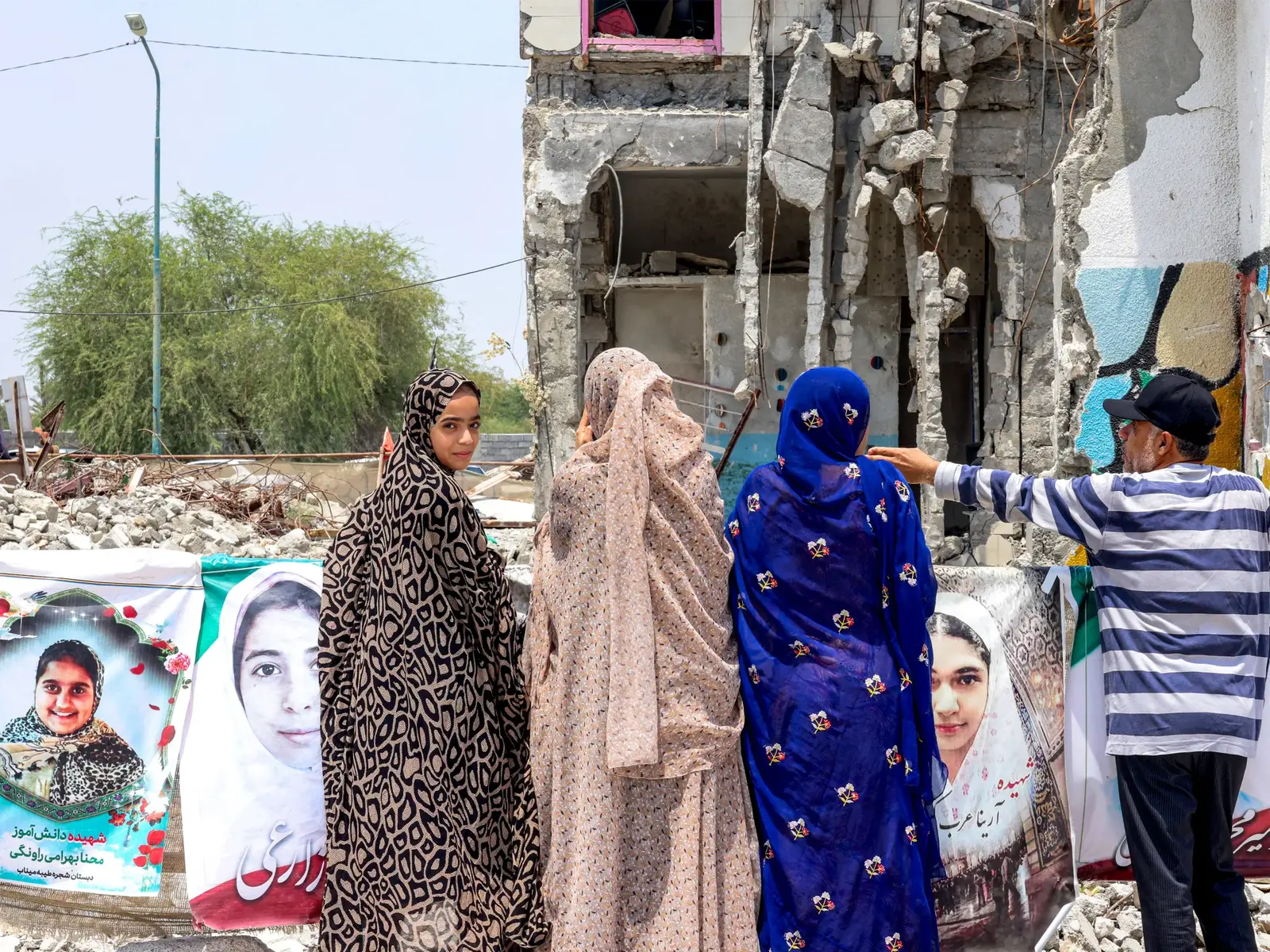
Iranian students are resuming classes after prolonged disruptions caused by ongoing conflict involving the United States, with many returning to classrooms in cities across the country despite damaged infrastructure and psychological strain. The return marks a fragile step toward normalcy for millions of children whose education has been interrupted for months, particularly in regions affected by military activity and economic hardship. Schools in Tehran, Isfahan, and border provinces have reopened with limited resources, relying on community support and government aid to provide basic learning materials. Teachers report that many students arrive fatigued, anxious, or struggling to concentrate due to exposure to violence and displacement. Efforts to rebuild trust in the education system include psychosocial support programs and adjusted curricula to address learning gaps. The Ministry of Education has prioritized reopening schools in stable areas first, while remote learning remains an option for those in high-risk zones.
Breaking news
 Trump Rejects AI Safety Measures Amid China Competition
 Behavioral Health and the Justice System: Accreditation and Continuity-of-Care Standards for Justice-Involved Individuals
 Britney Spears Dazzles in Bold Lingerie Shoot
 South Korea Weighs Strong Response After DMZ Landmine Blast
Many schools operate in shifts to accommodate students using fewer classrooms, as bomb damage and neglect have left over 30% of educational buildings in conflict-affected areas unusable. Volunteer teachers and retired educators have been recruited to fill gaps left by displaced or injured staff. International NGOs have donated tents, desks, and learning kits to temporary learning centers, though funding remains inconsistent. In some rural areas, classes are held under trees or in community halls due to lack of proper buildings. Despite these challenges, attendance rates have exceeded expectations, with parents eager to restore routine for their children. Officials acknowledge that full recovery will take years, but stress that education is a key pillar of national resilience.
What long-term effects might this disruption have on a generation of learners?
Experts warn that prolonged school closures risk increasing dropout rates, especially among girls and children from low-income families who may be pushed into labor to support households. Learning losses in foundational subjects like literacy and numeracy could widen achievement gaps for years to come. Psychologists note that trauma from war exposure may impair cognitive development and social skills if left unaddressed. However, there is cautious optimism that renewed focus on education could strengthen community cohesion and future economic prospects. The government has pledged to invest in school reconstruction and teacher training as part of broader recovery plans, though implementation depends on evolving security and economic conditions.
How many Iranian children have been affected by school closures due to the conflict? While exact numbers vary, UNICEF estimates that over 7 million Iranian children have experienced some form of education disruption since the escalation of hostilities, with millions missing weeks or months of instruction.
Frequently Asked Questions
Are girls being allowed to return to school at the same rates as boys? In most provinces, girls’ attendance has matched or neared pre-crisis levels, though conservative areas report slightly lower returns due to cultural concerns and safety fears, prompting targeted outreach by local education authorities.
Is the curriculum being changed to reflect current events? No official changes to the national curriculum have been announced, but teachers are encouraged to incorporate discussions on peace, resilience, and civic values in age-appropriate ways to help students process their experiences.