Independent maritime analysts noted the lack of debris patterns consistent with
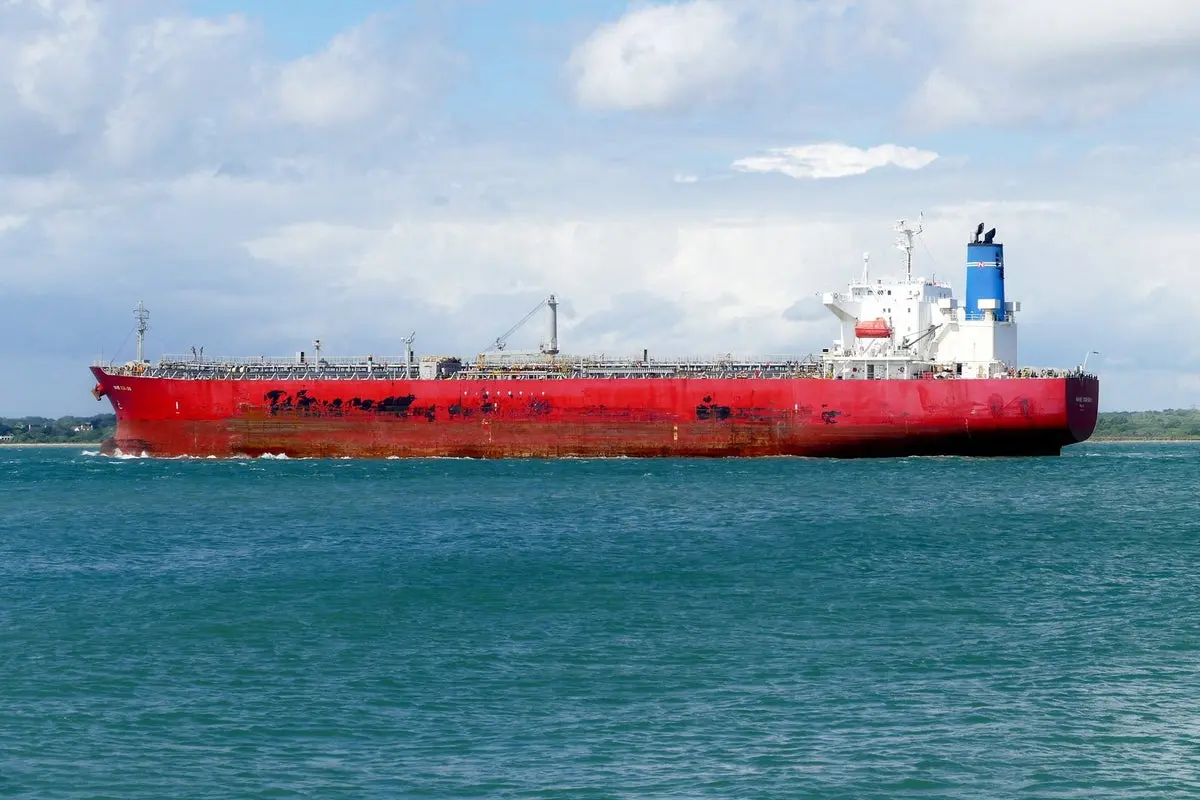
Trump says he is open to negotiations to end the war with Iran, but stresses the final decision rests with him On September 15, 2026, U. S. military officials rejected Iran’s assertion that naval mines caused an explosion on an oil tanker in the Strait of Hormuz. The incident occurred amid heightened tensions between Washington and Tehran, with both sides accusing each other of escalating hostilities. President Donald Trump reiterated his willingness to engage in talks to de-escalate the conflict, while maintaining that ultimate authority over military and diplomatic decisions remains with his administration. The U. S. Central Command stated that forensic analysis of the tanker damage showed no evidence of mine detonation, suggesting instead a mechanical failure or possible sabotage by unknown actors. Iranian officials had earlier claimed the blast was caused by a U. S.-laid minefield, a narrative Washington dismissed as baseless propaganda.
Breaking news
 Deadly Glacier and Rock Collapse in Nepal Linked to Climate Warming
 US Congress Passes Sweeping Sanctions Against Russia
 Speaker Johnson Ends House Session Early to Halt Impeachment Effort
 The High-Stakes Fight for Senate Majority Control
Independent maritime analysts noted the lack of debris patterns consistent with explosive devices, raising questions about Iran’s motivation for the allegation. The tanker, carrying crude from Saudi Arabia, sustained minor hull damage but remained afloat and was escorted to a nearby port for inspection. Why Is Iran Accusing the Strait of Hormuz a Flashpoint in U. S.-Iran Tensions? The Strait of Hormuz remains a critical chokepoint for global oil shipments, with nearly 20% of the world’s petroleum passing through its narrow waters. Both the U. S. and Iran have historically used naval presence and rhetoric to assert influence in the region, making any incident here a potential trigger for broader confrontation. Tehran often frames such events as evidence of American aggression, while Washington views Iranian claims as attempts to justify its own military posturing or deflect blame for internal shortcomings.
The latest episode follows a pattern of mutual accusations over maritime
The latest episode follows a pattern of mutual accusations over maritime incidents, including drone seizures and alleged attacks on commercial vessels since 2023. What Are the Chances of Real Negotiations Between Trump and Iran? Despite Trump’s public openness to dialogue, skepticism remains high among foreign policy experts who point to his administration’s hardline stance on Iran’s nuclear program and regional allies. Previous backchannel talks in 2025 collapsed over disagreements regarding uranium enrichment limits and missile development. Iranian officials have insisted that any negotiations must include sanctions relief as a precondition, a demand the U. S. has so far refused to meet without verifiable concessions. Trump’s emphasis on retaining final decision-making power suggests he may use talks as a tactical tool rather than a genuine path to compromise, especially ahead of domestic political cycles.
The incident underscores the fragility of de-escalation efforts in a region where misinformation can rapidly inflame tensions.
While no casualties were reported, the episode reinforces the need for transparent communication mechanisms between naval forces to prevent miscalculation. Analysts warn that without credible third-party oversight or confidence-building measures, similar disputes could spiral into larger confrontations. For now, both sides appear locked in a cycle of accusation and counter-accusation, with diplomacy remaining a distant prospect amid persistent mistrust. Frequently Asked Questions What evidence did the U. S. provide to refute Iran’s mine claim? U. S. Central Command cited forensic analysis of the tanker’s damage, which showed no signs of explosive residue or fragmentation patterns typical of naval mines, pointing instead to structural or operational failure. Why does Iran frequently blame the U. S. for incidents in the Strait of Hormuz? Iran often attributes such events to American actions to rally domestic support, justify its own military readiness, and challenge U.
S. naval dominance in a strategically vital waterway it considers within its sphere of influence. Has Trump engaged in direct talks with Iranian leaders during his presidency? As of September 2026, there have been no confirmed face-to-face meetings between Trump and Iranian officials, though indirect communications have occurred through intermediaries during past crises.