Strategic Shift in Maritime Control
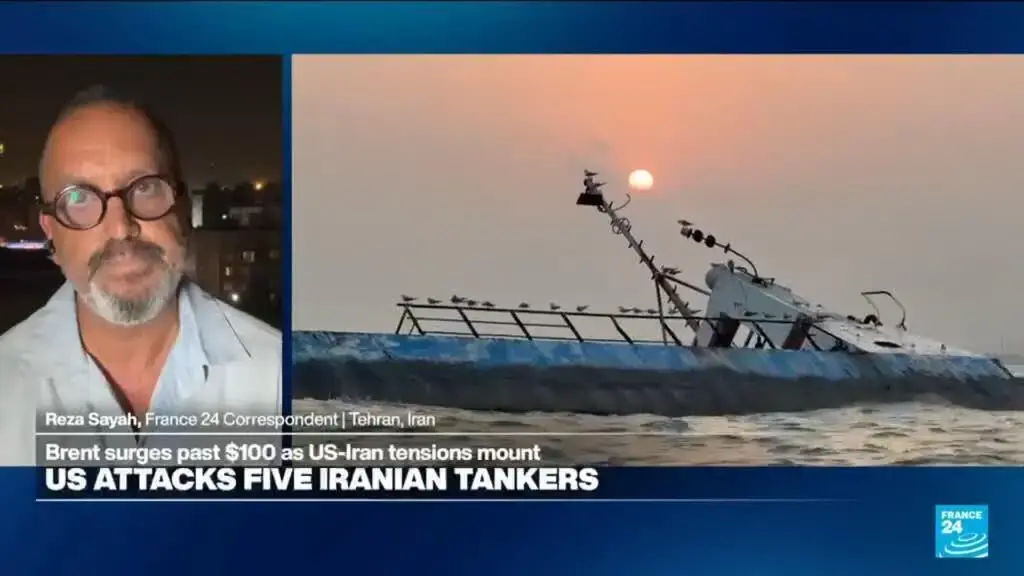
Iran announced on Wednesday that it attacked over a dozen ships attempting to cross the Strait of Hormuz. The military action marks a significant escalation in regional tensions. Tehran also declared an expanded no-go zone extending outside the narrow waterway. This move aims to control maritime traffic more aggressively. The announcement came during ongoing conflicts in the Middle East.
Breaking news
 Deadly Glacier and Rock Collapse in Nepal Linked to Climate Warming
 US Congress Passes Sweeping Sanctions Against Russia
 Speaker Johnson Ends House Session Early to Halt Impeachment Effort
 The High-Stakes Fight for Senate Majority Control
The Iranian navy targeted commercial and military vessels moving through the critical chokepoint. Ships reported damage or were forced to turn back. The expansion of the restricted area pushes the boundary further into the Gulf. This change affects shipping routes for oil tankers and cargo ships. Navigators now face tighter constraints on their movement.
How Does This Affect Global Energy Markets?
Tehran justified the expansion by citing security concerns. Officials stated that the new zone prevents hostile forces from approaching too closely. The strait remains one of the world's most vital energy corridors. A significant portion of global oil supply passes through this area daily. By widening the no-go zone, Iran increases its leverage over international trade. Shipping companies are adjusting their routes to avoid potential clashes. Insurance premiums for vessels transiting the region have likely risen.
The attack on the dozen-plus ships highlights the risks faced by mariners. Crews reported taking evasive actions when under fire. Some vessels sustained minor damage to hulls or superstructures. No major casualties were immediately confirmed in initial reports. However, the incident underscores the volatility of the region. Pilots must now navigate with heightened caution.
Traders reacted quickly to the news of the strikes. Oil futures saw immediate fluctuations as investors assessed the risk. Supply chain disruptions could lead to higher fuel prices globally. Refineries dependent on Gulf crude may face delays. The expansion of the restricted zone complicates logistics for exporters. Companies are reviewing their contingency plans for alternative routes. Diplomatic efforts continue to mitigate the impact on trade.
Frequently Asked Questions
How many ships did Iran attack? Iran stated that it struck more than a dozen vessels. These ships were attempting to pass through the Strait of Hormuz on Wednesday.
Where is the new no-go zone located? The restricted area extends outside the traditional boundaries of the strait. It covers additional waters within the Persian Gulf.