Conditional Diplomacy and Regional Tensions
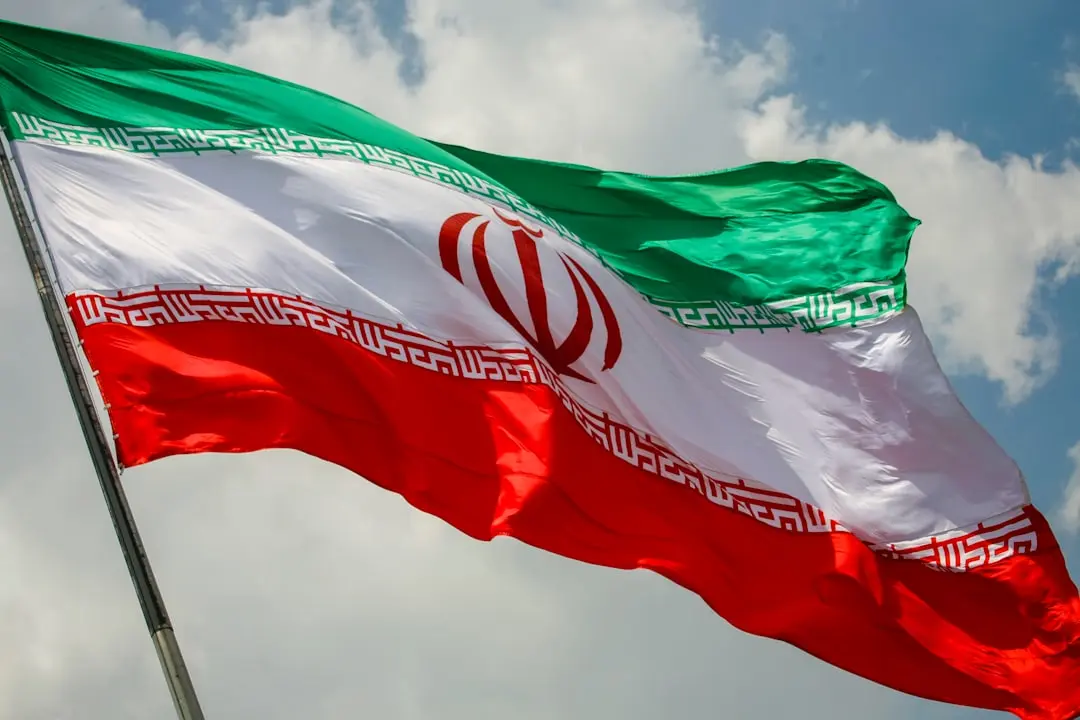
Iranian President Masoud Pezeshkian proposed a return to the June ceasefire agreement during the Shanghai Cooperation Organisation summit in Bishkek. He made this diplomatic offer just hours after recent tensions escalated between Tehran and Washington. The statement aimed to stabilize regional relations and reduce military friction. Pezeshkian emphasized that Iran is willing to honor previous commitments. However, he stressed that the United States must reciprocate with equal dedication. This move seeks to reopen dialogue channels that had stalled recently. The proposal comes at a critical moment for Middle East stability.
Breaking news
 Deadly Glacier and Rock Collapse in Nepal Linked to Climate Warming
 US Congress Passes Sweeping Sanctions Against Russia
 Speaker Johnson Ends House Session Early to Halt Impeachment Effort
 The High-Stakes Fight for Senate Majority Control
The president presented this idea at the twenty-sixth SCO summit. The gathering brought together leaders from major Eurasian nations. Pezeshkian used the platform to highlight Iran’s diplomatic stance. He argued that mutual adherence to the June terms would prevent further conflict. The timing was strategic, occurring shortly after new incidents strained the truce. By linking Iran’s actions to US behavior, Tehran aims to share responsibility. This approach places pressure on Washington to maintain its side of the bargain. It reflects a broader strategy of conditional cooperation.
Will Washington Accept the Reciprocal Offer?
The core of Pezeshkian’s message hinges on reciprocity. Iran will restart compliance only if the US does the same. This conditional framework addresses recent breaches of the ceasefire. Both sides have accused each other of minor violations. These disputes have kept the region on edge. Pezeshkian’s speech clarified that Iran is not seeking a new deal. Instead, it wants to revive the existing June framework. This distinction matters because it avoids complex renegotiations. Leaders at the SCO summit listened to this nuanced position. They recognized the potential for de-escalation. The offer serves as a clear signal to global observers. It shows Iran’s desire for predictability in its foreign policy.
The next step depends entirely on the American response. US officials have yet to issue a formal reply. Analysts suggest Washington may use this pause for internal review. The White House faces domestic pressure to show strength. Yet, a return to the ceasefire could ease economic sanctions. This creates a complex decision-making environment for US policymakers. If accepted, the June terms would guide future interactions. If rejected, tensions might rise again quickly. The SCO summit provided a neutral ground for this announcement. It allowed Pezeshkian to speak before a diverse international audience. This visibility adds weight to his diplomatic overture. The world watches closely for the next move.
When did Pezeshkian make this proposal? He announced the offer at the SCO summit in Bishkek. This occurred just hours after recent escalations in the region. The timing highlights the urgency of the situation.
Frequently Asked Questions
What specific condition did Iran set? Tehran stated it will return to the June ceasefire only if the US does the same. This reciprocal requirement ensures both sides commit equally. It prevents one-sided concessions from either party.
Where was this statement delivered? The speech took place at the twenty-sixth Shanghai Cooperation Organisation summit. The event was held in Bishkek, Kyrgyzstan. This venue offered a significant diplomatic stage for the message.