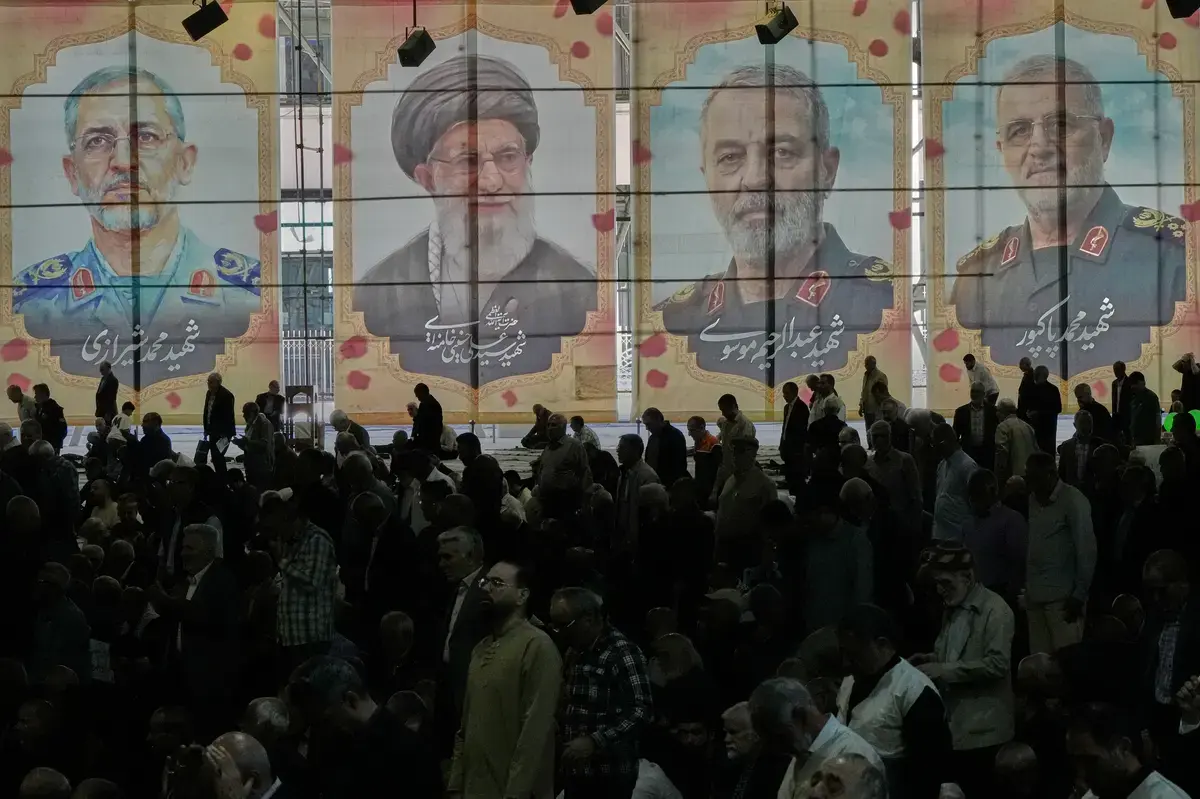
Hormuz Control: A Key Demand
Two months after a U. S.-Israeli attack initiated conflict, peace negotiations are stalled. The core issues remain Iran’s nuclear program and control of the Strait of Hormuz. Discussions have reached a complete impasse, frustrating international mediators. This situation threatens wider regional instability.
Breaking news
 Deadly Glacier and Rock Collapse in Nepal Linked to Climate Warming
 US Congress Passes Sweeping Sanctions Against Russia
 Speaker Johnson Ends House Session Early to Halt Impeachment Effort
 The High-Stakes Fight for Senate Majority Control
The recent military action aimed to curb Iran’s nuclear ambitions. However, it triggered a retaliatory response, escalating tensions. Iran has increased its naval presence in the Strait of Hormuz. This vital waterway is crucial for global oil transport. Blocking it would severely disrupt the world economy.
Iran insists on guarantees regarding regional security. They want assurances against further attacks and economic sanctions. Specifically, Iran demands unimpeded access through the Strait of Hormuz. They view this as a sovereign right and essential for their economy. This stance directly clashes with U. S. and allied interests.
Can Diplomacy Still Prevail?
Negotiators are struggling to find common ground. The U. S. and its allies seek verifiable limits on Iran’s nuclear program. They also want international oversight of Iran’s nuclear facilities. Iran argues its program is for peaceful purposes. They claim the right to develop nuclear energy under international law. However, concerns persist about potential weaponization.
The current deadlock is deeply concerning. Experts fear the situation could spiral into a larger conflict. The risk of miscalculation is high. Both sides have demonstrated a willingness to escalate tensions. A prolonged standoff could destabilize the entire Middle East.
Frequently Asked Questions
Several countries are attempting to mediate. These include China, Russia, and European nations. However, their efforts have so far yielded little progress. The U. S. and Iran remain far apart on key issues. A breakthrough seems unlikely in the short term. The future remains uncertain, with the possibility of renewed conflict looming.
What is the significance of the Strait of Hormuz? The Strait of Hormuz is a narrow passage connecting the Persian Gulf to the Arabian Sea. It’s a critical route for roughly 20% of the world’s oil supply. Any disruption there would significantly impact global energy markets.
Why is Iran’s nuclear program so controversial? Concerns center on Iran’s potential to develop nuclear weapons. While Iran maintains its program is peaceful, many nations fear it could be diverted for military purposes. This fear fuels regional instability and international pressure.