A Delicate Balancing Act
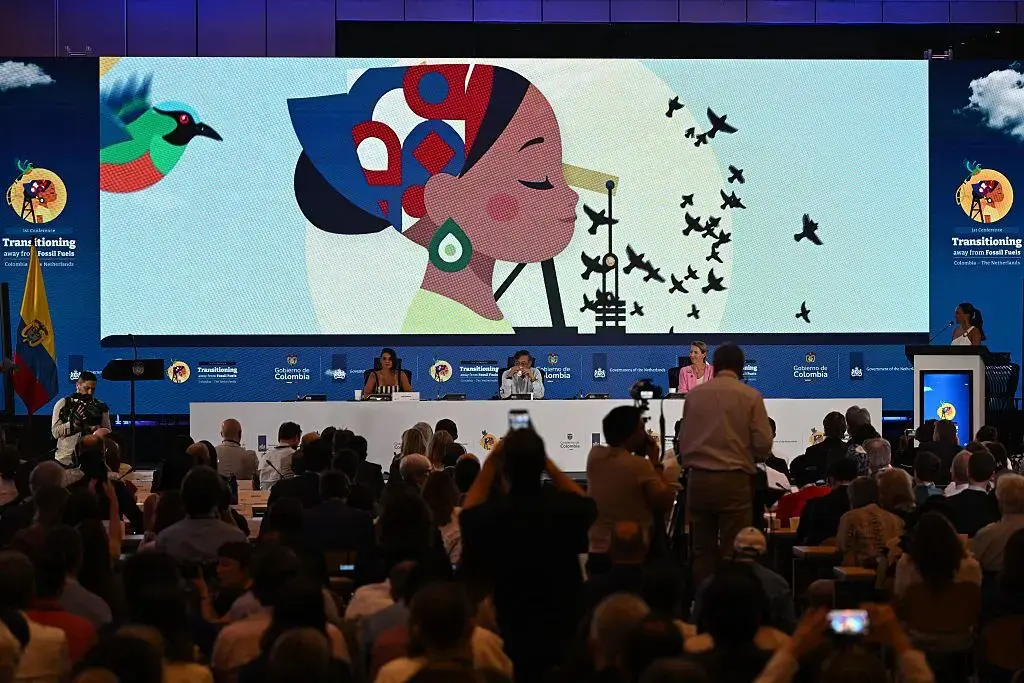
Over fifty nations convened this week to discuss the future of fossil fuels. The international conference addresses a growing energy crisis and accelerating global warming. Discussions began today, April 29, 2026, focusing on potential shifts in energy policy. The aim is to determine if a significant change is possible.
Breaking news
 Deadly Glacier and Rock Collapse in Nepal Linked to Climate Warming
 US Congress Passes Sweeping Sanctions Against Russia
 Speaker Johnson Ends House Session Early to Halt Impeachment Effort
 The High-Stakes Fight for Senate Majority Control
The meeting comes at a pivotal moment. Demand for energy remains high worldwide. Simultaneously, scientists continue to warn about the dangers of climate change. Many countries are struggling to balance economic needs with environmental concerns. This conference seeks to bridge that gap and explore viable alternatives. Participants hope to find common ground on reducing reliance on coal, oil, and gas.
Negotiations are expected to be complex. Different nations have vastly different energy needs and resources. Some developing countries argue they need continued access to affordable fossil fuels. They cite the need for economic growth and improved living standards. Wealthier nations are pushing for faster transitions to renewable energy sources. They emphasize the urgency of reducing carbon emissions. Finding a compromise that satisfies all parties will be challenging.
Can Nations Truly Commit to Change?
„This is a critical juncture,” said Julia Simon, reporting from the conference. „The world is at a crossroads. We must decide if we will continue down a path of unsustainable energy use.” The conference agenda includes discussions on financing renewable energy projects. It also covers strategies for phasing out fossil fuel subsidies. Experts believe financial incentives are key to accelerating the transition.
The success of the conference hinges on concrete commitments. Vague promises are unlikely to be enough. Nations must outline specific, measurable goals for reducing fossil fuel consumption. They also need to detail how they will achieve those goals. This includes investments in renewable energy infrastructure and policies to discourage fossil fuel use.
Skeptics question whether nations will follow through on any agreements. Past conferences have yielded limited results. Concerns remain about political will and the influence of powerful fossil fuel industries. However, proponents argue that the current crisis is different. The impacts of climate change are becoming increasingly visible and severe. This creates a greater sense of urgency and a stronger motivation for action.
The outcome of this conference will have far-reaching consequences. It could determine whether the world can avert the worst effects of climate change. A successful outcome could accelerate the transition to a cleaner, more sustainable energy future. Failure could lock the world into a dangerous path of continued fossil fuel dependence. The next few days will be crucial in shaping the future of energy.
Frequently Asked Questions
What are the biggest obstacles to phasing out fossil fuels? The primary challenges include the high cost of renewable energy infrastructure and the political influence of fossil fuel companies. Many nations also fear the economic consequences of transitioning away from established industries.
How important is international cooperation in addressing climate change? International cooperation is essential. Climate change is a global problem that requires a coordinated response. No single nation can solve it alone.
What role can individuals play in reducing fossil fuel consumption? Individuals can reduce their carbon footprint by adopting energy-efficient practices. This includes using public transportation, conserving energy at home, and supporting policies that promote renewable energy.