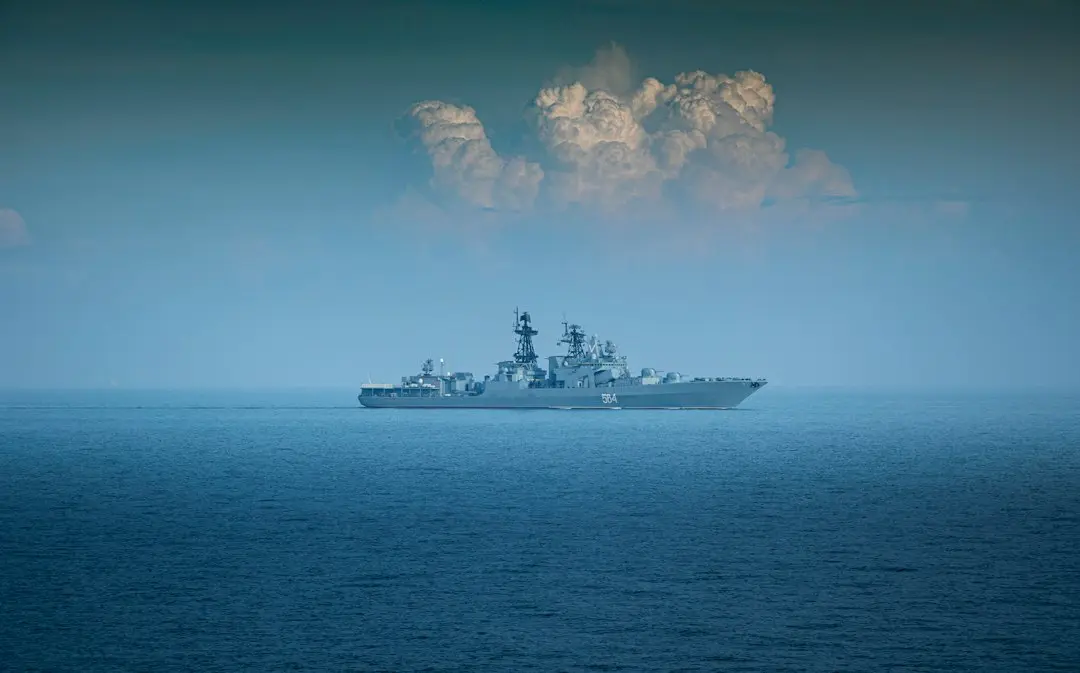
Rising Risks Keep Operators on Edge
The United Kingdom’s Maritime Trade Operations says vessel movements through the Strait of Hormuz are still 70 percent lower than they were before the regional conflict erupted. The weekly assessment, released Tuesday, notes that 277 ships logged transits in the past seven days, while crews continue to report attacks, navigation interference and heightened security threats across the Gulf.
Breaking news
 Montenegro, Albania Seek NATO Help to Counter Russian Disinformation
 Ronna McDaniel Weighs In on GOP's Path Forward
 Market Sentiment Shifts as S&P 500 Snaps Three-Day Losing Streak
 Voters Demand Stronger Congressional Oversight of Presidential Power
The sharp decline reflects both the lingering danger of missile strikes and the broader disruption of supply chains after the war began in early 2022. Shipping companies have rerouted cargoes to longer, costlier paths, while insurers raise premiums for vessels entering the narrow waterway. The UKMTO’s data shows a steady, though modest, rise in traffic compared with the previous month, suggesting some operators are cautiously testing the waters as diplomatic efforts to de‑escalate tensions gain traction.
Despite the modest uptick, the threat environment remains volatile. Several incidents were recorded this week, including a reported near‑miss involving a commercial tanker and a hostile projectile near the Iranian coast. Naval patrols from the United States, United Kingdom and regional allies have intensified escort missions, but the sheer volume of civilian traffic makes comprehensive protection challenging.
Can Shipping Return to Normal Levels Soon?
Maritime analysts point to the strategic importance of the strait—through which roughly a fifth of global oil shipments pass—as a key factor in the cautious approach. „Even a single incident can trigger a chain reaction of rerouting and price spikes,” said Fatima Al‑Hussein, a Gulf shipping consultant. „Operators are weighing the cost of delay against the risk of loss, and many still opt for the safer, albeit longer, routes around the Arabian Sea.”
The question on industry minds is whether traffic can ever rebound to pre‑war figures. Experts argue that a durable solution requires not only a cease‑fire but also confidence‑building measures such as transparent navigation protocols and joint security patrols. Until then, the 70 percent gap is likely to persist, pressuring global energy markets and inflating freight rates.
If diplomatic talks succeed in establishing a maritime de‑confliction framework, the strait could gradually see more vessels. However, any resurgence will be gradual, as insurers, charterers and ship owners recalibrate risk models and negotiate new contracts. In the meantime, the lingering shortfall continues to ripple through global supply chains, affecting everything from fuel prices to the cost of consumer goods.
Frequently Asked Questions
Why is traffic through the Strait of Hormuz still so low? The ongoing security threats, including missile attacks and navigation interference, deter many shipping firms, prompting them to choose longer, safer routes.
What impact does reduced traffic have on global oil prices? With fewer ships able to use the most direct route, oil must travel farther, raising transportation costs and contributing to higher global oil prices.
When might we see traffic return to pre‑war levels? A return depends on achieving a stable cease‑fire and implementing reliable security arrangements; without those, traffic is likely to remain well below historic norms.
