Dwindling Emergency Reserves Limit Global Buffer
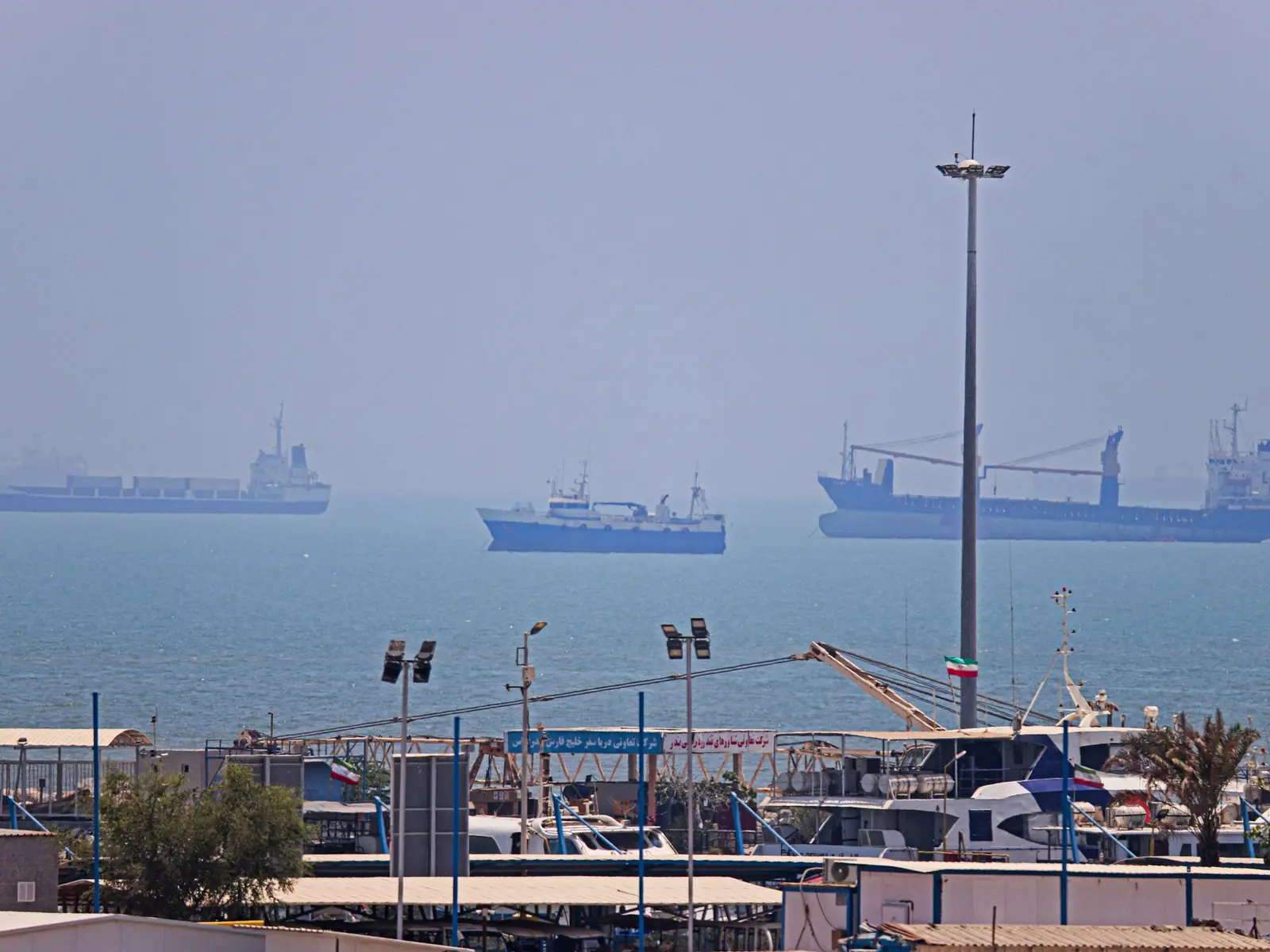
Brent crude surged past $110 a barrel on Wednesday as escalating tanker attacks near the Strait of Hormuz threaten vital international energy supplies amid ongoing conflict involving the United States and Iran. International oil benchmarks climbed more than $2 to reach five-month highs, driven by persistent diplomatic gridlock and mounting security threats in the crucial Middle Eastern shipping corridor.
Breaking news
 Ronna McDaniel Weighs In on GOP's Path Forward
 Market Sentiment Shifts as S&P 500 Snaps Three-Day Losing Streak
 Voters Demand Stronger Congressional Oversight of Presidential Power
 Pelosi Looks Back, Sees Democratic Triumph Ahead
Crude markets have reacted sharply to deteriorating security conditions in the vital waterway, which handles a massive share of global petroleum transit. Diplomatic initiatives aimed at halting the military confrontation remain completely stalled. Insurance costs for vessels navigating the region have soared alongside actual physical risks, forcing energy traders to reevaluate immediate supply vulnerabilities.
Can International Markets Survive a Chokepoint Closure?
Emergency strategic petroleum reserves sit at multi-decade lows across major consumer nations, according to energy market analysts. This severe depletion leaves the global economy dangerously exposed to prolonged supply shocks. Experts warn that current emergency stockpiles might sustain consuming nations for only a month or two if the crucial Persian Gulf chokepoint experiences a total shutdown.
Frequently Asked Questions
The convergence of low strategic inventories and active military hostilities creates an unprecedented threat to energy security. Previous geopolitical crises often found a cushion in government-held emergency supplies, but those buffers have steadily eroded over recent years. Market participants now face heightened volatility with very few shock absorbers left to stabilize prices if tanker traffic halts entirely.
The extreme vulnerability of the Strait of Hormuz means any escalation could permanently alter global energy trade routes and push inflation even higher. Energy companies are desperately seeking alternative overland pipelines to bypass the volatile maritime zone, yet available capacity remains minimal. The immediate trajectory of energy prices depends almost entirely on whether diplomatic channels can reopen before further infrastructure suffers damage.