Fueling the Problem
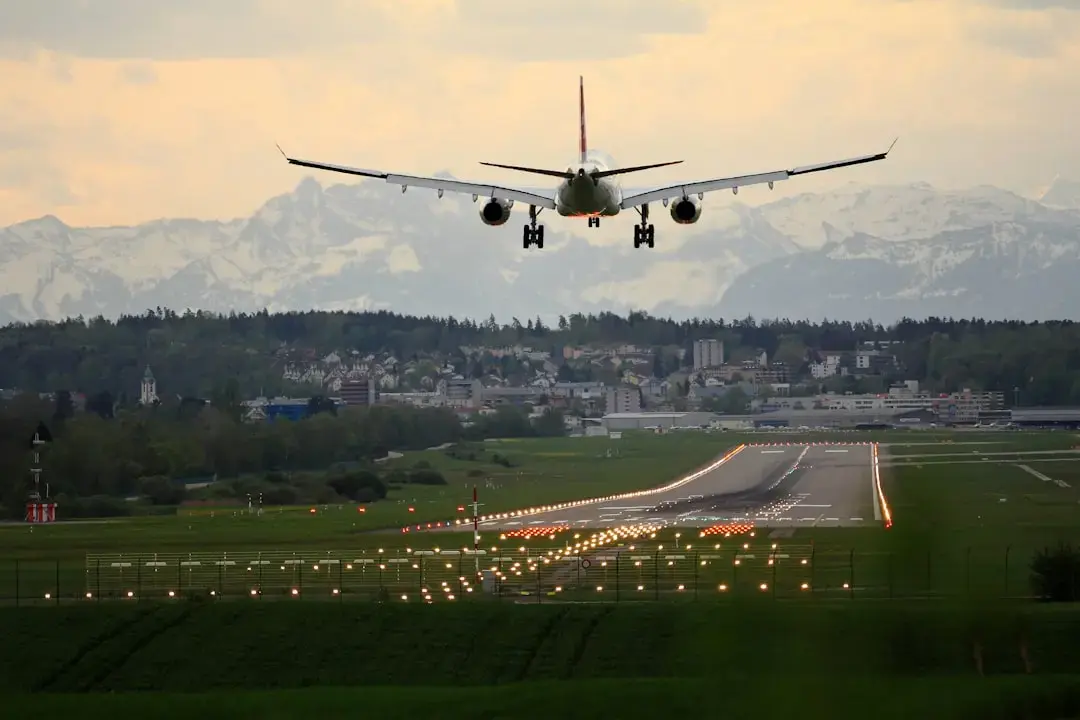
The ongoing Iran crisis and Ukraine war have highlighted Europe's reliance on fossil fuels and imported kerosene for aviation. European countries are now re-examining their aviation strategies. The European Commission is seeking evidence to inform its EU Aviation Strategy.
Breaking news
 Deadly Glacier and Rock Collapse in Nepal Linked to Climate Warming
 US Congress Passes Sweeping Sanctions Against Russia
 Speaker Johnson Ends House Session Early to Halt Impeachment Effort
 The High-Stakes Fight for Senate Majority Control
The current conflicts have made it clearer than ever that European aviation is heavily dependent on a volatile global fuel market. Countries like China are rapidly advancing in aerospace technology, further challenging Europe's position. The EU's aviation sector is facing a critical juncture.
Europe's aviation industry is heavily reliant on imported kerosene, making it vulnerable to global market fluctuations. This dependence is exacerbated by the ongoing conflicts, which have disrupted global supply chains. As a result, the EU is under pressure to diversify its energy sources and reduce its reliance on fossil fuels.
Can Europe Take Off Without Fossil Fuels?
The EU Aviation Strategy is a key component of the Commission's efforts to address these challenges. By seeking evidence from stakeholders, the Commission aims to develop a comprehensive strategy that promotes sustainable aviation practices. This could involve investing in alternative fuels, improving energy efficiency, and enhancing the resilience of the aviation sector.
A sustainable EU Aviation Strategy will require significant investment in alternative technologies and infrastructure. This could involve developing new aircraft designs, improving air traffic management, and promoting the use of sustainable aviation fuels. The EU must also address the competitiveness of its aviation industry, which is facing challenges from rapidly advancing countries like China.
The consequences of inaction could be severe, with the EU's aviation industry facing increased vulnerability to global market fluctuations and decreased competitiveness. A well-crafted EU Aviation Strategy could help mitigate these risks and promote a more sustainable future for European aviation.
Frequently Asked Questions
Q: What is the main challenge facing Europe's aviation industry? The ongoing conflicts have highlighted this vulnerability.
Q: How is the EU addressing these challenges? A: The EU is developing a comprehensive Aviation Strategy that promotes sustainable aviation practices, including investing in alternative fuels and improving energy efficiency.
Q: What are the potential consequences of inaction? A: The EU's aviation industry could face increased vulnerability to global market fluctuations and decreased competitiveness, with severe consequences for the sector's future.