The Stalemate Along the 700-Mile Front
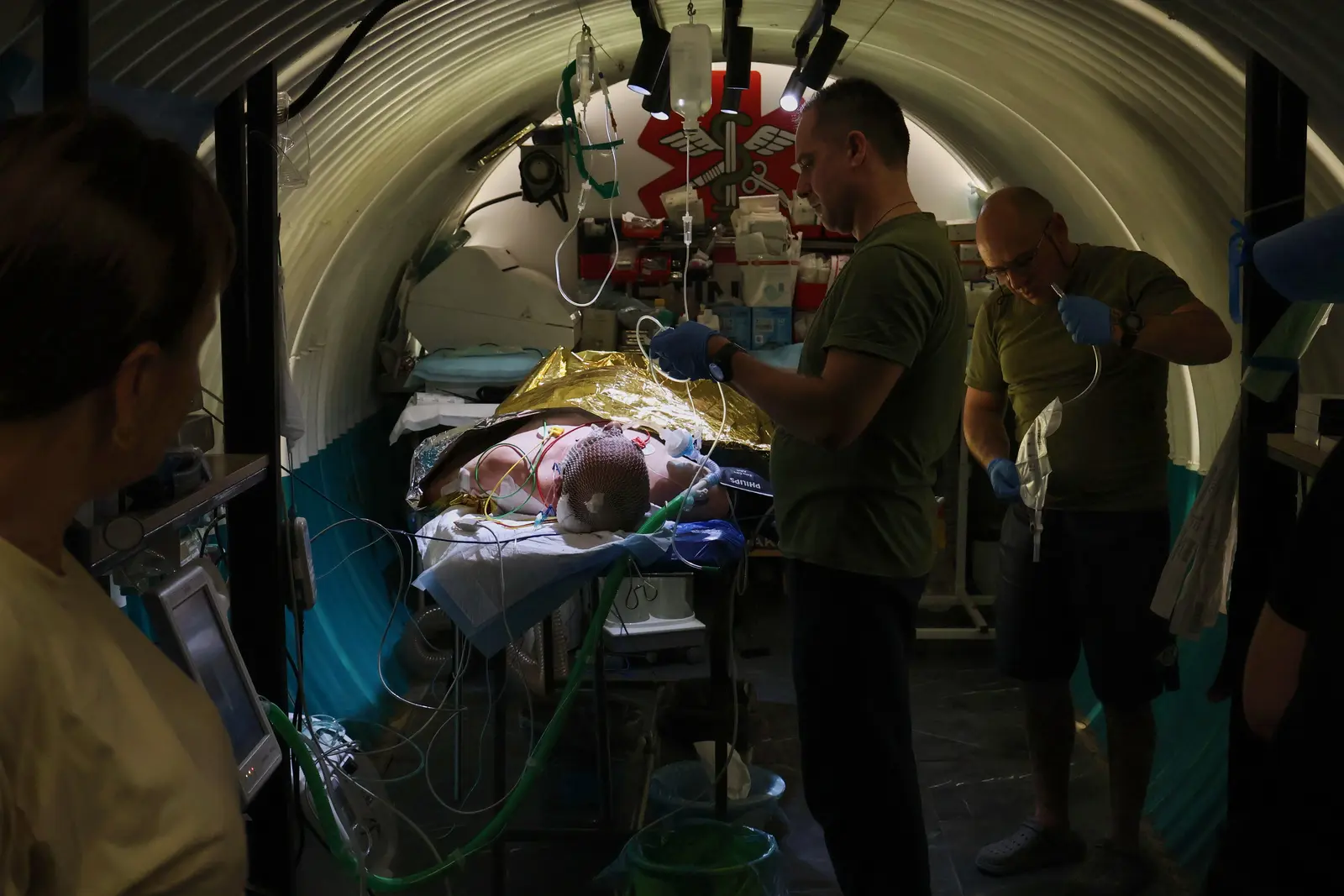
Ukrainian forces endure intense aerial surveillance and ground attacks along a sprawling front line. This conflict stretches over 700 miles across the eastern and southeastern regions. Despite the massive length, the frontline has barely shifted in recent months. Soldiers operate within a narrow band known as the kill zone. Here, constant drone activity creates a deadly environment for both armies. Medics recently treated wounded soldiers in field hospitals near Zaporizhzhia. The pressure remains high as both sides struggle to gain ground.
Breaking news
 Montenegro, Albania Seek NATO Help to Counter Russian Disinformation
 Ronna McDaniel Weighs In on GOP's Path Forward
 Market Sentiment Shifts as S&P 500 Snaps Three-Day Losing Streak
 Voters Demand Stronger Congressional Oversight of Presidential Power
The battlefield dynamics have changed significantly since the war began. Drones now buzz overhead almost continuously, making movement extremely dangerous. Consequently, troops spend much of their time hunkered down in underground shelters. These bunkers offer protection from aerial strikes and artillery fire. The kill zone is not just a geographic marker but a state of constant danger. Soldiers report that the noise of rotors is a permanent background sound. This acoustic presence signals imminent threats or reconnaissance missions. The underground lifestyle is necessary for survival in this specific sector.
The lack of significant territorial movement characterizes the current phase of the war. Over 700 miles of contact line remain largely static. This stagnation forces both Russian and Ukrainian units into defensive postures. Neither side can easily break through the entrenched positions. The cost of advancing is high due to layered defenses. Artillery and drone strikes target any visible movement. As a result, infantry advances are slow and costly. Commanders rely on precision rather than speed to achieve objectives. The static nature of the front allows for extensive fortification. Trenches and bunkers become the primary living spaces for soldiers. This environment tests the endurance of personnel stationed there.
How Does the Kill Zone Affect Daily Survival?
Life within the kill zone is defined by extreme caution and limited resources. Soldiers cannot move freely without risking detection by enemy drones. They must coordinate movements carefully to avoid being targeted. Field hospitals, like those in Zaporizhzhia, handle a steady stream of casualties. Medics work under pressure to stabilize injured troops quickly. The proximity to the front means that evacuation routes are often short and hazardous. Psychological stress is a major factor in this confined space. The constant threat of air power keeps morale tested. Troops learn to live with the uncertainty of when the next strike will land. Adaptation to this underground existence is crucial for long-term combat effectiveness.
The outlook for the immediate future suggests continued grinding combat. Without a decisive breakthrough, the stalemate persists. Both sides continue to deploy drones as a primary tool for observation and attack. The underground strategy will likely remain the standard for infantry units. Casualty rates may remain high as technology evolves. The focus stays on holding ground rather than expanding it. This phase of the war demands resilience and tactical patience from all involved parties.
Frequently Asked Questions
How long is the current front line? The front line extends for more than 700 miles. It spans across the eastern and southeastern parts of Ukraine. This vast distance complicates logistical support for both armies.
Why do troops stay underground? Soldiers hide in bunkers to avoid drone strikes and artillery. The kill zone is heavily monitored by aerial reconnaissance. Staying below ground reduces the chance of being targeted.
Where are field hospitals located? Field hospitals are situated near the front lines in regions like Zaporizhzhia. These facilities treat wounded soldiers close to the action. Proximity allows for faster medical intervention.
