A Complicated Past with Russia
Former German Chancellor Gerhard Schröder is being considered as a potential negotiator for the Ukraine war, sparking controversy. Critics question his closeness to Russia. The suggestion comes as the conflict continues, with various efforts to broker peace.
Breaking news
 Deadly Glacier and Rock Collapse in Nepal Linked to Climate Warming
 US Congress Passes Sweeping Sanctions Against Russia
 Speaker Johnson Ends House Session Early to Halt Impeachment Effort
 The High-Stakes Fight for Senate Majority Control
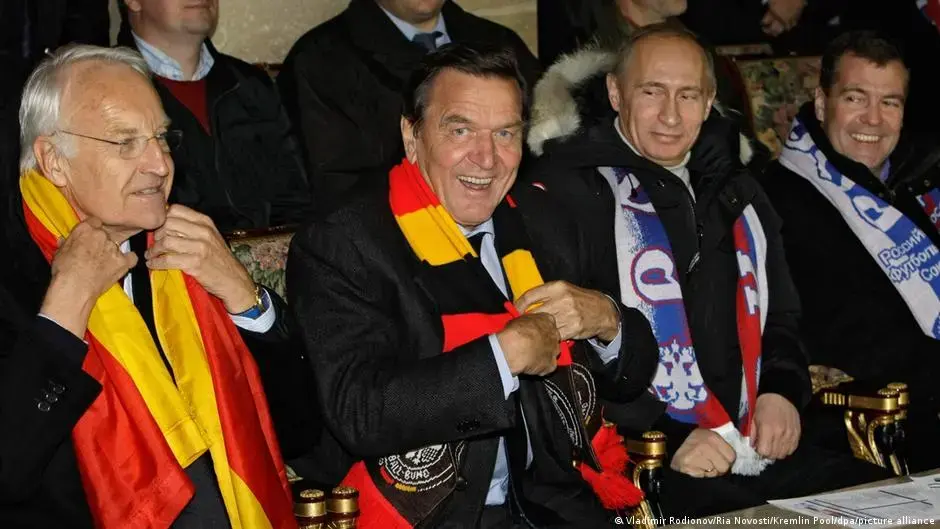
Schröder's ties to Russia have long been a subject of debate. He has maintained connections with Russian leaders, including Vladimir Putin, even after the Ukraine conflict escalated. This has led some to criticize him for being too soft on Russia.
Schröder's relationship with Russia dates back to his time as Chancellor. He oversaw the construction of the Nord Stream 1 gas pipeline, a project that was seen as a key moment in deepening Germany's energy ties with Russia. Critics argue that this has created a conflict of interest.
Can He Be Trusted to Negotiate?
Some argue that Schröder's connections could be an asset in negotiations. However, others are skeptical, given his perceived closeness to Putin. The Ukrainian government has previously expressed concerns about Schröder's involvement in any potential negotiations.
The question remains whether Schröder can be trusted to negotiate a fair peace deal. His past actions and statements have raised concerns about his impartiality. Any negotiations would require a high degree of trust from all parties involved.
The consequences of Schröder's potential involvement are significant. If he is seen as biased, it could undermine the legitimacy of any peace deal. The international community is watching closely as the situation develops.
Frequently Asked Questions
What is Gerhard Schröder's connection to Russia? Schröder has maintained ties with Russian leaders, including Vladimir Putin, and oversaw the Nord Stream 1 gas pipeline project.
Why are critics questioning Schröder's role in negotiations? Critics argue that Schröder's closeness to Russia creates a conflict of interest and raises concerns about his impartiality.
Can Schröder's connections help broker a peace deal? Some argue that Schröder's connections could be an asset, but others are skeptical due to his perceived bias towards Russia.