Rhetoric Versus Reality on the South Atlantic Front
Argentine President Javier Milei declared on Thursday that Britain is currently in decline. He cited ongoing migratory, demographic, and economic crises as primary drivers. This statement intensified long-standing tensions over the Falkland Islands. The comments emerged during a national broadcast, signaling a shift in diplomatic tone. Buenos Aires continues to assert its claim over the territory. However, the rhetoric contrasts sharply with the current state of the Argentine armed forces.
Breaking news
 Deadly Glacier and Rock Collapse in Nepal Linked to Climate Warming
 US Congress Passes Sweeping Sanctions Against Russia
 Speaker Johnson Ends House Session Early to Halt Impeachment Effort
 The High-Stakes Fight for Senate Majority Control
Milei’s remarks suggest a desire to reclaim sovereignty through pressure rather than immediate force. Yet, analysts point out a significant gap between political ambition and military capability. The Argentine military has faced years of underfunding and logistical challenges. Equipment maintenance issues have plagued both the navy and air force for decades. While the president speaks of Britain’s decline, his own defense budget remains constrained by broader fiscal reforms. The government aims to reduce public spending, which often impacts defense allocations. Consequently, the threat to seize the islands appears more symbolic than operational at this stage.
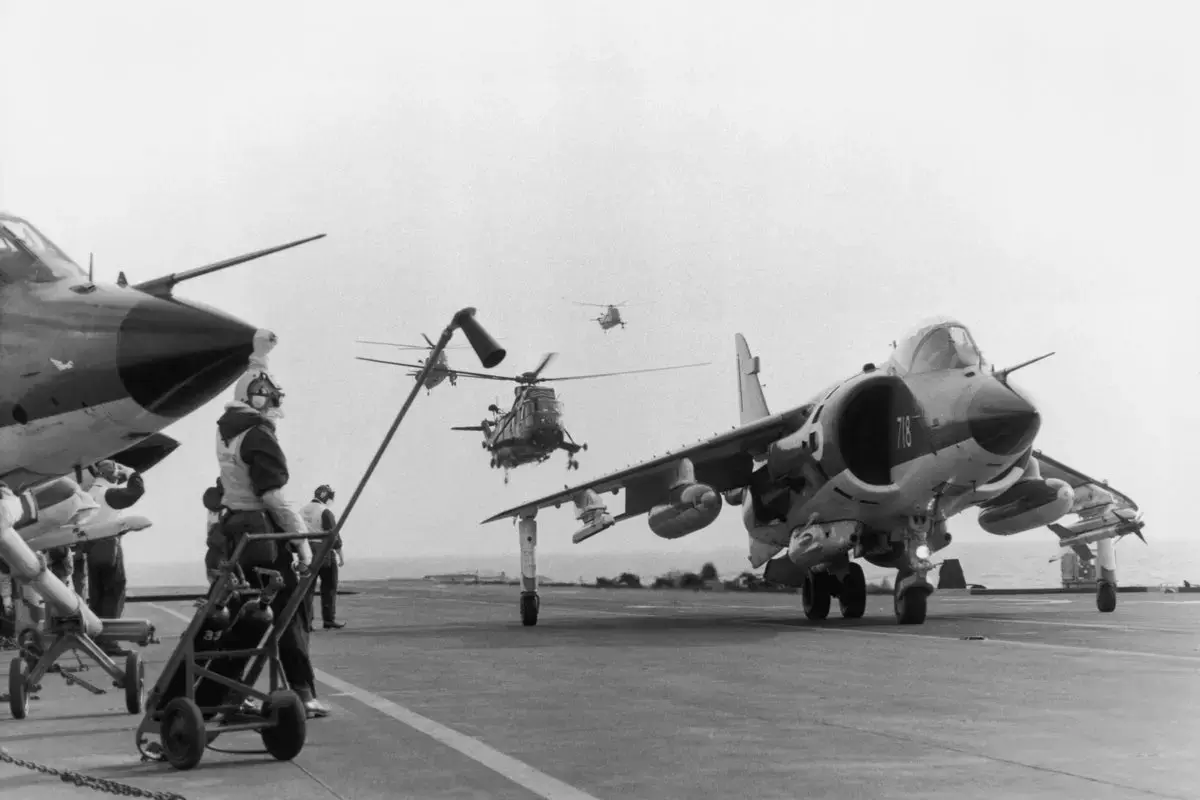
The dispute dates back to the 1982 war, where Argentina lost control of the archipelago. Since then, the issue has remained a core element of national identity. Milei’s administration has not formally changed this policy, but his aggressive language marks a new phase. He argued that British power is waning due to internal societal pressures. This narrative seeks to justify renewed claims without committing to a full-scale invasion. Diplomats in London are monitoring these developments closely, noting the potential for increased friction in the region.
Can Financial Crises Fuel Territorial Ambitions?
The timing of these statements coincides with global shifts in geopolitical power. As traditional alliances evolve, smaller nations often reassess their strategic positions. Argentina’s push for the Falklands reflects a broader trend of asserting regional influence. However, the domestic financial landscape complicates this strategy. High inflation and currency instability limit the resources available for military modernization. The president’s focus on economic crises serves a dual purpose. It explains the urgency of the claim while highlighting the vulnerabilities of the opposing side. Observers note that this approach allows Argentina to maintain pressure without incurring massive immediate costs.
The British government has responded with cautious optimism, believing that Argentina’s internal challenges will temper its actions. They emphasize that the islanders themselves prefer to remain British. This local sentiment provides a strong counter-argument to Buenos Aires’ centralist claims. Any move toward seizure would likely require a naval blockade or amphibious operation. Given the current state of the Argentine fleet, such an operation carries significant risk. The disparity in military readiness suggests that diplomatic negotiations will remain the primary channel for resolving the standoff.
Frequently Asked Questions
Why does Argentina claim the Falkland Islands? Argentina bases its claim on historical proximity and succession from Spanish colonial rule. The country argues that the islands were part of the Viceroyalty of the Río de la Plata. This legal stance persists despite the 1982 conflict outcome.
Is Argentina preparing for immediate war? Most experts believe the threat is primarily rhetorical. The military lacks the current funding and equipment for a rapid offensive. Political pressure remains the main tool until budgets improve.
How does Britain view the new threats? London views the statements as consistent with long-term Argentine policy. Officials expect continued diplomatic engagement. They remain confident in the strategic importance of the base for global operations.