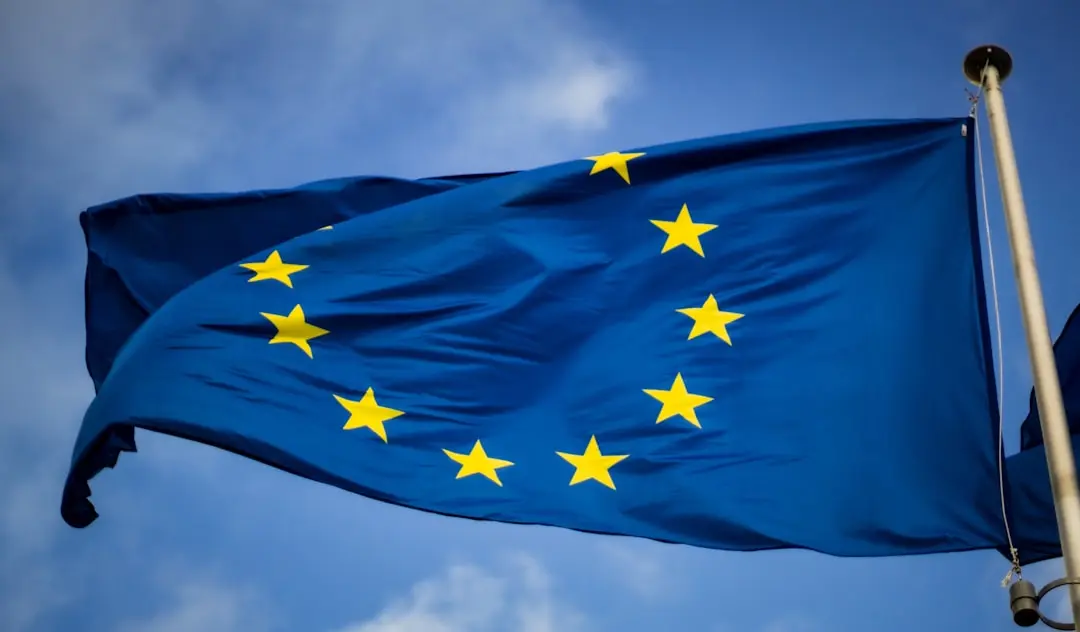
In her 2022 State of the Union address, von der Leyen strongly criticized
European Commission President Ursula von der Leyen is being urged by climate advocates to use her upcoming State of the European Union address to declare that Europe will overcome its current fossil fuel dependency as its final such crisis. Speaking ahead of her September 2026 speech, activists and energy experts argue that the continent's ongoing energy challenges, intensified by geopolitical tensions and supply disruptions, present a pivotal moment to accelerate the transition to renewable energy. They contend that von der Leyen has a unique opportunity to frame the crisis not as a setback but as the catalyst for irreversible change. The call comes as Europe continues to grapple with high energy prices and reliance on imported fossil fuels, particularly natural gas, despite progress in renewable energy adoption over recent years.
Breaking news
 Deadly Glacier and Rock Collapse in Nepal Linked to Climate Warming
 US Congress Passes Sweeping Sanctions Against Russia
 Speaker Johnson Ends House Session Early to Halt Impeachment Effort
 The High-Stakes Fight for Senate Majority Control
In her 2022 State of the Union address, von der Leyen strongly criticized fossil fuel dependence, labeling it a strategic vulnerability and advocating for greater energy sovereignty through green investments. Since then, the EU has expanded its renewable energy targets and funded hydrogen and grid modernization projects, yet fossil fuels still supply a significant portion of the bloc's energy mix, especially in heating and industry sectors. Can Europe truly end its fossil fuel era this time? Proponents of the transition argue that current conditions—including advances in solar and wind technology, falling battery costs, and strong public support for climate action—make a definitive break from fossil fuels more feasible than ever. They point to the REPowerEU plan, which aims to end Russian fossil fuel imports by 2027 and increase renewables to 45% of energy consumption by 2030, as a roadmap for achieving energy independence.
However, critics warn that without binding measures to phase out coal, oil, and
However, critics warn that without binding measures to phase out coal, oil, and gas subsidies, and without faster permitting for renewable infrastructure, the continent risks prolonged vulnerability to market volatility. What would declaring this the last fossil fuel crisis mean for policy? Such a declaration would signal a political commitment to prioritize renewable energy deployment, energy efficiency, and grid resilience over short-term fossil fuel solutions. It could lead to accelerated timelines for phasing out fossil fuel subsidies, increased funding for clean energy innovation, and stronger emissions pricing mechanisms. Advocates say it would also strengthen the EU’s position in international climate negotiations by demonstrating leadership through concrete action rather than rhetoric. Frequently Asked Questions What specific actions are activists asking von der Leyen to take in her speech?
They are urging her to explicitly state that the current fossil fuel crisis will be Europe’s last, to announce accelerated timelines for ending fossil fuel subsidies, and to commit to faster permitting for wind and solar projects across member states. How has the EU’s energy mix changed since von der Leyen’s 2022 speech? Renewable energy’s share of electricity generation has grown from about 37% in 2022 to over 42% in 2025, but fossil fuels still dominate in sectors like transport and heating, accounting for roughly 55% of final energy consumption. Is it realistic for Europe to end fossil fuel dependence soon? While complete elimination will take decades, experts say ending reliance on imported fossil fuels for electricity and significantly reducing use in other sectors by 2030 is achievable with current policies and technologies, provided implementation speeds up.