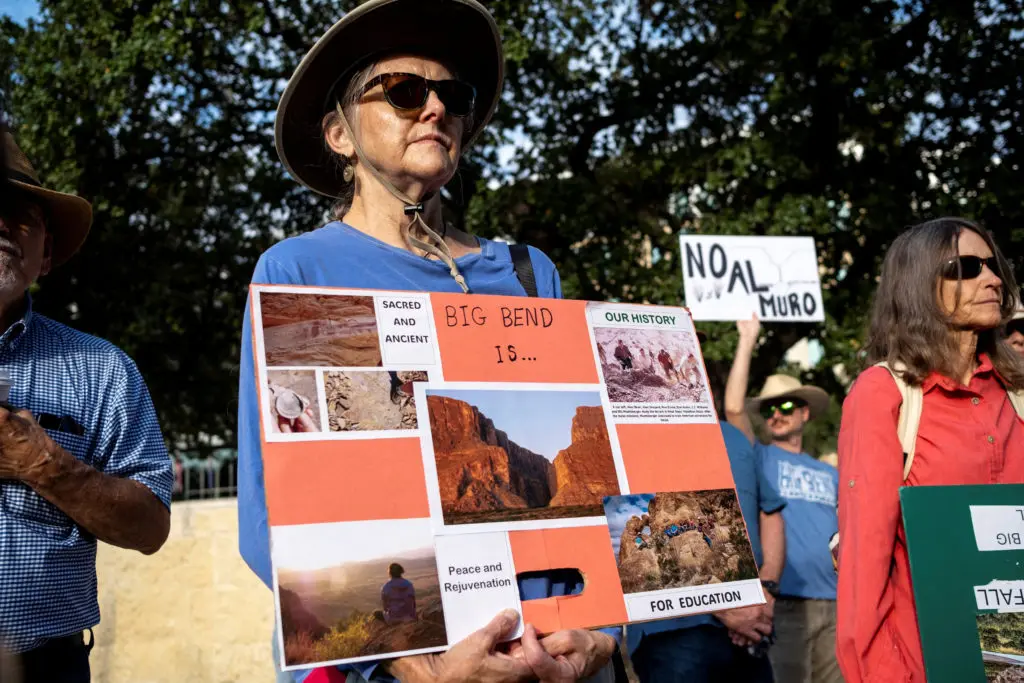
Legal Grounds and Environmental Stakes
In Marfa, Texas, a coalition of ranchers, landowners, and business owners filed a lawsuit on September 12, 2026. They ask federal courts to stop the Trump administration’s plan to build a border wall through the Big Bend region. The case focuses on property rights and environmental concerns.
Breaking news
 Deadly Glacier and Rock Collapse in Nepal Linked to Climate Warming
 US Congress Passes Sweeping Sanctions Against Russia
 Speaker Johnson Ends House Session Early to Halt Impeachment Effort
 The High-Stakes Fight for Senate Majority Control
The plaintiffs argue the wall would slice through private property, disrupt wildlife corridors, and damage local economies. They claim the administration neglected required environmental assessments. The Fifth Amendment is cited, claiming the wall would constitute an unlawful taking of land without just compensation. An injunction is requested to halt construction while the court reviews the claims.
The lawsuit cites the National Environmental Policy Act, noting that the wall’s construction would affect the Chihuahuan Desert ecosystem. Experts say the wall could fragment habitats for endangered species like the jaguar and the Mexican gray wolf. The project would also alter water flow in the Rio Grande basin, threatening irrigation for farms. The plaintiffs request a comprehensive environmental impact study before any work begins. They also allege that the wall would violate the U. S. Constitution’s Takings Clause, which protects private property from government seizure without fair compensation.
Will the Wall Hurt Local Businesses?
Local officials say the wall would bring increased security but also potential costs. The Texas Department of Transportation has warned that the wall could raise maintenance expenses for the region. Environmental groups support the lawsuit, arguing that the wall’s ecological footprint outweighs any security benefits. The federal government has defended the project as essential for border control, citing intelligence reports of increased smuggling.
Small businesses in Marfa rely on tourism and cross-border trade. The wall could reduce visitor traffic, leading to lower sales for restaurants and shops. A local café owner said the wall would deter travelers who enjoy the scenic drive through Big Bend. Conversely, some businesses hope the wall will bring new security jobs. The lawsuit’s outcome could set a precedent for other border projects in the Southwest. If the court grants the injunction, construction could be delayed for months, giving communities time to reassess the project’s feasibility.
The case is part of a broader national debate over border security versus civil liberties. The outcome will influence how future administrations approach border wall construction. If the court sides with the landowners, it could force the federal government to revisit environmental and constitutional reviews. If the court rejects the lawsuit, the wall may proceed, sparking further legal challenges.
Frequently Asked Questions
What is the main legal argument in the lawsuit? The plaintiffs claim the wall violates the Fifth Amendment by taking private property without just compensation and that the administration failed to conduct proper environmental impact studies.
How will the wall affect wildlife in the Big Bend area? Experts warn that the wall could fragment habitats for endangered species such as the jaguar and Mexican gray wolf, disrupting migration routes and breeding grounds.
What could happen if the court grants the injunction? An injunction would halt construction, giving the federal government time to conduct environmental reviews and address constitutional concerns before proceeding.