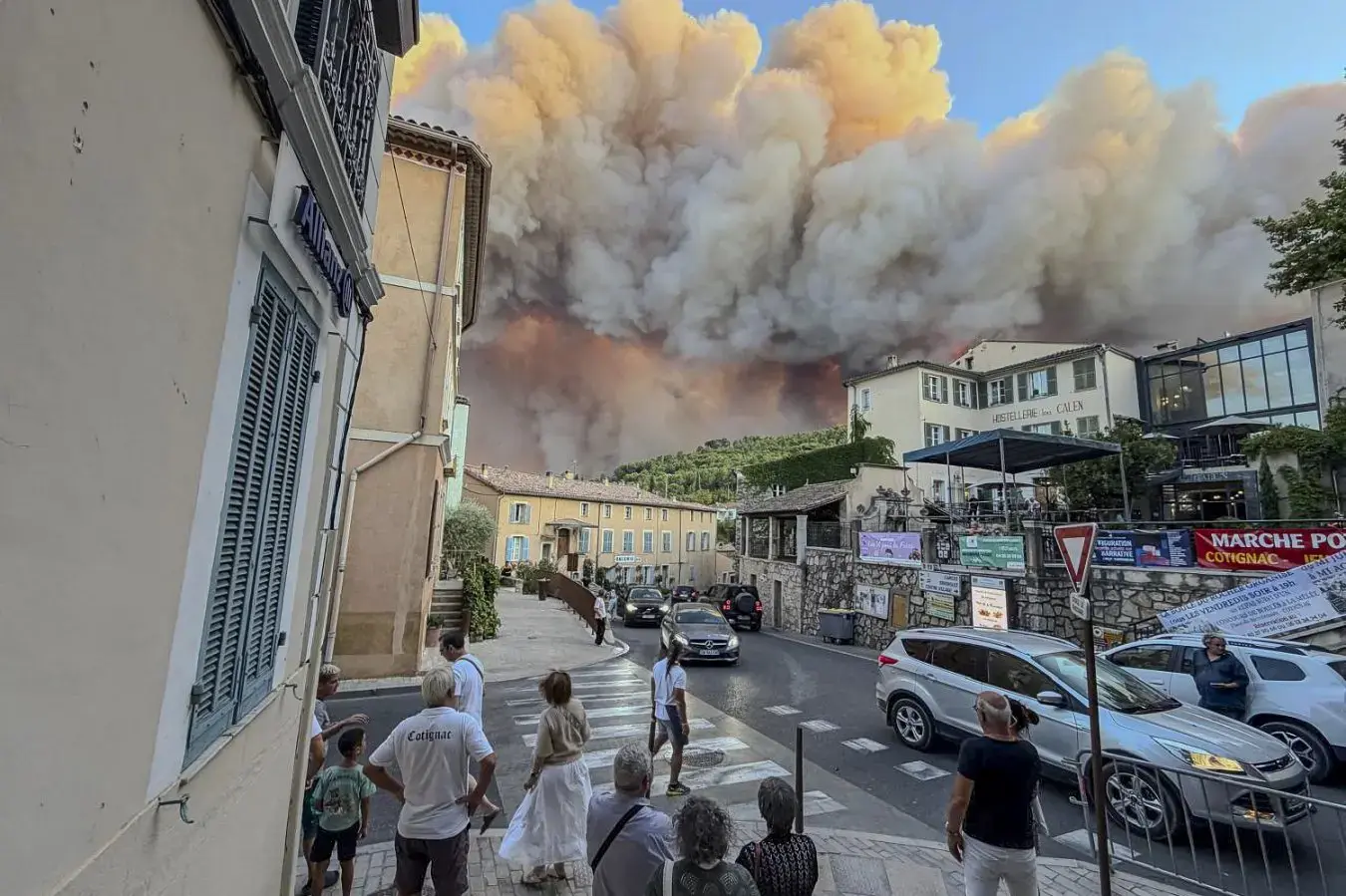
Shifting Weather Patterns Redefine Fire Zones
Scorching summer conditions across the continent have ignited widespread wildfires in regions traditionally known for cool, damp weather. These fires mark a significant departure from historical norms. The threat now extends to countries previously safe from such disasters. This shift signals a changing climate reality for northern latitudes.
Breaking news
 Deadly Glacier and Rock Collapse in Nepal Linked to Climate Warming
 US Congress Passes Sweeping Sanctions Against Russia
 Speaker Johnson Ends House Session Early to Halt Impeachment Effort
 The High-Stakes Fight for Senate Majority Control
The intense heat waves of this year have created ideal conditions for vegetation to dry out rapidly. As a result, ignition sources have sparked blazes in areas unaccustomed to fire. Experts note that this pattern mirrors trends seen in recent years. The distinction between Mediterranean and Northern European fire seasons is fading. What was once a southern problem is becoming a continental one.
Can Traditional Infrastructure Handle New Threats?
Historically, northern Europe relied on higher humidity and lower temperatures to prevent large-scale wildfires. However, recent summers have broken these records repeatedly. The combination of prolonged heat and reduced rainfall has dried out forests and grasslands. This creates a fuel bed ready to ignite. Meteorologists point to changing atmospheric circulation patterns as a key driver. Jet stream shifts are trapping hot air masses over the region for longer periods. Consequently, the window for fire risk has expanded significantly northward. Local firefighting services are struggling to adapt their strategies. They must now prepare for fires in zones where they rarely operated before.
The rapid expansion of fire-prone areas challenges existing infrastructure and planning. Many northern towns lack the specific water reserves and evacuation routes found in southern cities. Insurance models are also under pressure. Premiums may rise as risk profiles change for properties in these new zones. Communities face the dual challenge of immediate safety and long-term adaptation. Urban planners are beginning to review building codes near forest edges. The goal is to create defensible spaces that can withstand future heat spikes.
The outlook suggests that fire will become a regular feature of European summers. Climate models predict continued warming in the coming decades. This means that the current situation is likely a baseline rather than an anomaly. Society must adjust its expectations and preparations accordingly. Ignoring this trend risks severe economic and ecological damage. The era of fire-free northern summers is ending.
Frequently Asked Questions
Why are wildfires occurring in cooler parts of Europe? Rising temperatures and lower humidity have dried out vegetation in northern regions. This creates fuel conditions similar to those found in southern Europe during peak summer months.
How does this affect local communities? Residents face increased risks to property and health from smoke and heat. Local governments must invest in better emergency response systems and public awareness campaigns.