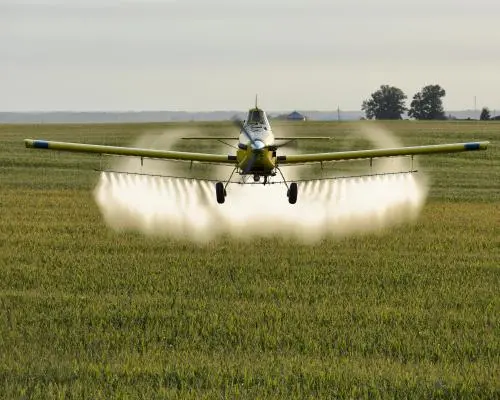
Decades of Regulatory Inaction
A federal lawsuit filed this week asks a judge to compel the Trump administration to tackle widespread contamination from atrazine, a pesticide linked to cancer and hormonal disruption. The chemical now pollutes roughly 25% of continental U. S. rivers, affecting about 860,000 miles of waterways.
Breaking news
 Ronna McDaniel Weighs In on GOP's Path Forward
 Market Sentiment Shifts as S&P 500 Snaps Three-Day Losing Streak
 Voters Demand Stronger Congressional Oversight of Presidential Power
 Pelosi Looks Back, Sees Democratic Triumph Ahead
The suit claims the Environmental Protection Agency has failed for decades to properly enforce the Clean Water Act regarding atrazine, allowing levels that threaten both wildlife and human health to persist unchecked.
Environmental groups argue that EPA's repeated delays in addressing atrazine pollution violate federal law. The pesticide, banned in the European Union, remains widely used in American agriculture despite mounting evidence of its harmful effects on amphibians and potential links to reproductive issues in humans.
What Are the Health Risks?
Atrazine exposure has been associated with various health concerns, including certain cancers and endocrine disruption. Studies show the chemical can alter hormone levels, particularly affecting amphibian development, leading to physical abnormalities in frogs and other wildlife.
The lawsuit highlights that atrazine concentrations regularly exceed safety thresholds in numerous water sources, especially during growing seasons when agricultural runoff peaks.
Plaintiffs are seeking a court order requiring EPA to establish enforceable limits on atrazine in water bodies nationwide. They argue that current voluntary measures have proven ineffective at protecting communities and ecosystems.
Legal Strategy and Potential Outcomes
If successful, the ruling could force the administration to implement stricter monitoring and reduction strategies for atrazine contamination, potentially affecting farming practices across the Midwest and Great Plains where the chemical is heavily applied.
What is atrazine and why is it controversial? Atrazine is a widely used herbicide that inhibits plant growth by disrupting photosynthesis. It has drawn criticism for persisting in water supplies and potentially causing hormonal disruptions in wildlife and humans.
Frequently Asked Questions
How extensive is the contamination? The lawsuit estimates atrazine now affects approximately 25% of all continental U. S. rivers, totaling around 860,000 miles of waterways, making it one of the most prevalent pesticide pollutants in the nation's water system.
What would a court order accomplish? A favorable ruling would require the EPA to develop mandatory cleanup standards and enforcement mechanisms for atrazine, moving beyond voluntary industry agreements toward legally binding water quality protections.
The case represents one of the most significant challenges yet to federal pesticide regulation, with potential implications extending far beyond atrazine to how agricultural chemicals are managed under environmental law.