How Are Safety Upgrades Being Communicated to the Public?
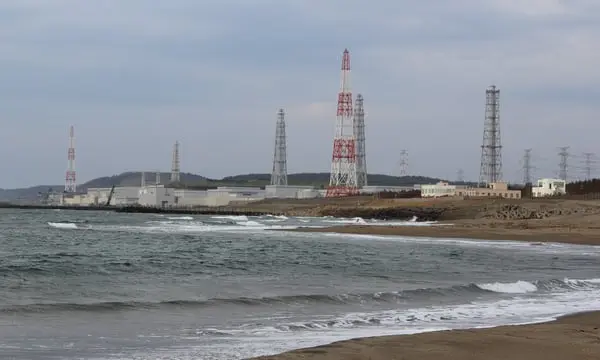
Tokyo Electric Power Company restarted Unit 6 at the Kashiwazaki-Kariwa nuclear plant in January, marking the first TEPCO reactor to resume operations since the Fukushima Daiichi disaster. The unit was briefly halted by an alarm the following day but resumed in February and entered commercial service in April. Unit 7 at the same facility remains offline as safety reviews continue. The restart is part of Japan’s broader effort to reduce reliance on fossil fuels and meet energy demand amid rising costs and climate goals. However, public skepticism lingers over nuclear safety, particularly in communities near the plant. Local residents and advocacy groups have expressed concerns about emergency preparedness and transparency in operational reporting. TEPCO has emphasized upgraded safety systems and rigorous inspections to regain public confidence. The company says it has implemented lessons from Fukushima, including enhanced tsunami protections and emergency response protocols.
Breaking news
 Montenegro, Albania Seek NATO Help to Counter Russian Disinformation
 Ronna McDaniel Weighs In on GOP's Path Forward
 Market Sentiment Shifts as S&P 500 Snaps Three-Day Losing Streak
 Voters Demand Stronger Congressional Oversight of Presidential Power
Despite these measures, gaining trust remains a gradual process requiring consistent communication and accountability.
What Role Does Public Opinion Play in Future Restarts?
TEPCO has held town hall meetings and published detailed reports outlining the technical improvements made to Units 6 and 7. These include seismic reinforcements, improved cooling systems, and real-time monitoring accessible to regulators. Officials say they are prioritizing transparency by sharing inspection data and incident logs with local authorities. Still, some critics argue that information is not always presented in an accessible format for non-experts. The utility acknowledges the need to improve outreach and is exploring multilingual materials and visual aids. Building trust, officials admit, goes beyond technical fixes and requires sustained engagement.
Public approval remains a critical factor in determining whether additional reactors can be brought back online. Surveys show mixed sentiment, with younger generations more open to nuclear energy as a climate solution, while older residents near plants remain wary. Political leaders stress that restarts will only proceed with local consent, though the definition of „consent” remains legally ambiguous. Experts warn that without genuine community involvement, future efforts could face legal delays or protests. The outcome at Kashiwazaki-Kariwa may set a precedent for how Japan balances energy policy with social acceptance.
Why was Unit 6 restarted after the Fukushima accident? Unit 6 was restarted to help meet Japan’s energy needs and reduce fossil fuel dependence, following extensive safety upgrades and regulatory approvals prompted by post-Fukushima standards.
Frequently Asked Questions
Is Unit 7 expected to restart soon? Unit 7 remains offline pending further safety inspections and regulatory review; no official timeline for its restart has been announced.
How has TEPCO addressed safety concerns since Fukushima? TEPCO has reinforced tsunami defenses, upgraded cooling systems, improved emergency response training, and increased transparency through public reporting and local engagement efforts.