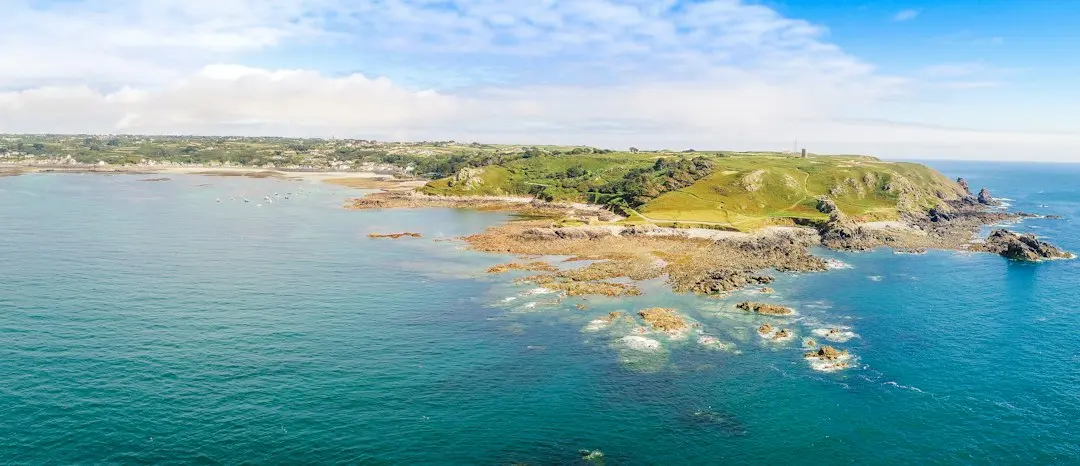
Exploring Ecological and Historical Landscapes
Environmental experts, conservationists, and business leaders from across the British Isles and France have arrived in Guernsey for the 26th Inter-Island Environment Summit. The annual gathering, which began this week, serves as a collaborative platform for delegates to exchange innovative strategies and develop cross-border projects aimed at protecting fragile island ecosystems.
Breaking news
 Montenegro, Albania Seek NATO Help to Counter Russian Disinformation
 Ronna McDaniel Weighs In on GOP's Path Forward
 Market Sentiment Shifts as S&P 500 Snaps Three-Day Losing Streak
 Voters Demand Stronger Congressional Oversight of Presidential Power
The summit emphasizes the unique vulnerability of island environments to climate change and human activity. Participants are currently engaged in a series of workshops and presentations designed to bridge the gap between scientific research and practical policy implementation. By aligning their goals, these diverse regions hope to create a cohesive framework for long-term ecological preservation.
A key highlight of this year’s program was a guided field trip to Lihou Island. Experts examined the site’s distinct ecology and rich archaeological history, providing a tangible look at the challenges of land management. This hands-on experience allowed attendees to observe how historical human presence interacts with modern conservation efforts in a protected coastal environment.
Can Regional Cooperation Save Endangered Habitats?
The visit to Lihou served as a case study for the broader discussions held throughout the conference. By analyzing the site’s specific biodiversity, delegates could better understand the practical difficulties of maintaining habitats that are subject to shifting tides and changing weather patterns. This direct interaction with the landscape remains a cornerstone of the summit’s educational approach.
The success of the summit relies on the ability of different jurisdictions to standardize their environmental monitoring techniques. By sharing data and resources, the participating islands aim to mitigate the risks posed by rising sea levels and habitat loss. Organizers believe that collective action is the most effective way to address the environmental pressures currently facing these isolated regions.
Frequently Asked Questions
Looking ahead, the summit is expected to produce a set of collaborative initiatives that will be implemented across the participating territories. These projects will focus on sustainable development and the restoration of natural coastal defenses. The long-term goal is to ensure that island communities remain resilient in the face of global environmental shifts.
What is the primary purpose of the Inter-Island Environment Summit? The summit brings together experts and stakeholders to share knowledge and collaborate on environmental projects. It aims to develop unified solutions for protecting island ecosystems across the British Isles and France.
Why was Lihou Island included in the conference schedule? Lihou Island provided a practical setting for delegates to study the intersection of ecology and archaeology. It allowed participants to see firsthand how conservation strategies are applied in a real-world, vulnerable environment.