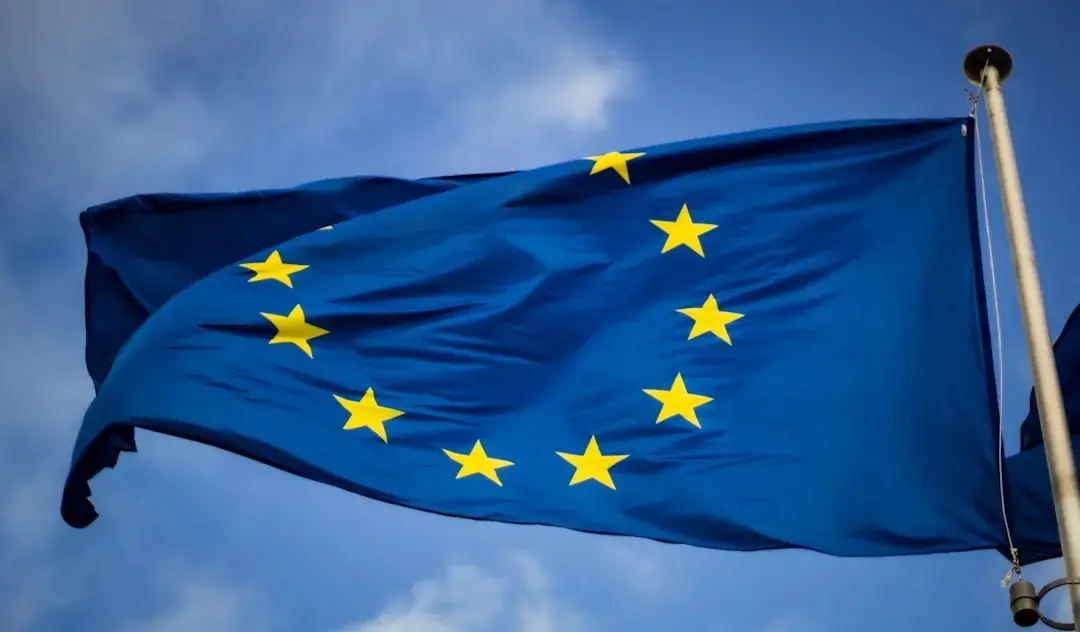
Navigating Geopolitical Tensions in the North
Top European officials gathered in Finland this week to establish a unified policy for the Arctic region. The summit aims to address escalating concerns regarding maritime shipping routes, natural resource extraction, and regional security. This high-level meeting comes as global powers intensify their focus on the rapidly changing northern landscape.
Breaking news
 Deadly Glacier and Rock Collapse in Nepal Linked to Climate Warming
 US Congress Passes Sweeping Sanctions Against Russia
 Speaker Johnson Ends House Session Early to Halt Impeachment Effort
 The High-Stakes Fight for Senate Majority Control
The European Union increasingly views the Arctic as a fundamental pillar of its long-term security architecture. As climate change accelerates the melting of polar ice, previously inaccessible waters are opening to commercial and industrial activity. This shift has drawn significant geopolitical interest from the United States, China, and Russia.
The Arctic is no longer a remote, frozen frontier. It has become a focal point for international competition due to its vast mineral wealth and the promise of shorter shipping lanes. European leaders are now working to ensure that the bloc maintains a strong presence while protecting its strategic interests.
Can Europe Secure Its Interests Amid Global Rivalry?
Officials emphasized that the region’s stability is essential for European trade and environmental safety. The presence of major global rivals in the area has forced the EU to reconsider its defensive posture. Policymakers are now prioritizing a coordinated approach to prevent further escalation and secure vital supply chains.
The challenge lies in balancing economic opportunities with the need for environmental preservation and regional peace. Leaders are currently debating how to manage the influx of foreign investment while maintaining sovereignty over northern territories. The outcome of these discussions will likely dictate the region's governance for years to come.
Frequently Asked Questions
Failure to establish a clear, collective strategy could leave Europe vulnerable to external pressures. By aligning their goals, EU members hope to exert more influence over the future of the Arctic. The summit marks a critical step toward ensuring that the High North remains a stable and secure area for all participants.
Why is the Arctic becoming a priority for the European Union? The region is becoming more accessible due to melting ice, creating new opportunities for shipping and resource extraction. This shift has attracted global powers, making the area vital for Europe's future economic and security interests.
What is the primary goal of the summit in Finland? European leaders are meeting to forge a unified Arctic policy that addresses security concerns and competition from countries like China, Russia, and the United States. They aim to protect their strategic interests while managing the region's changing geopolitical landscape.