Unpacking the Role of Human Activity
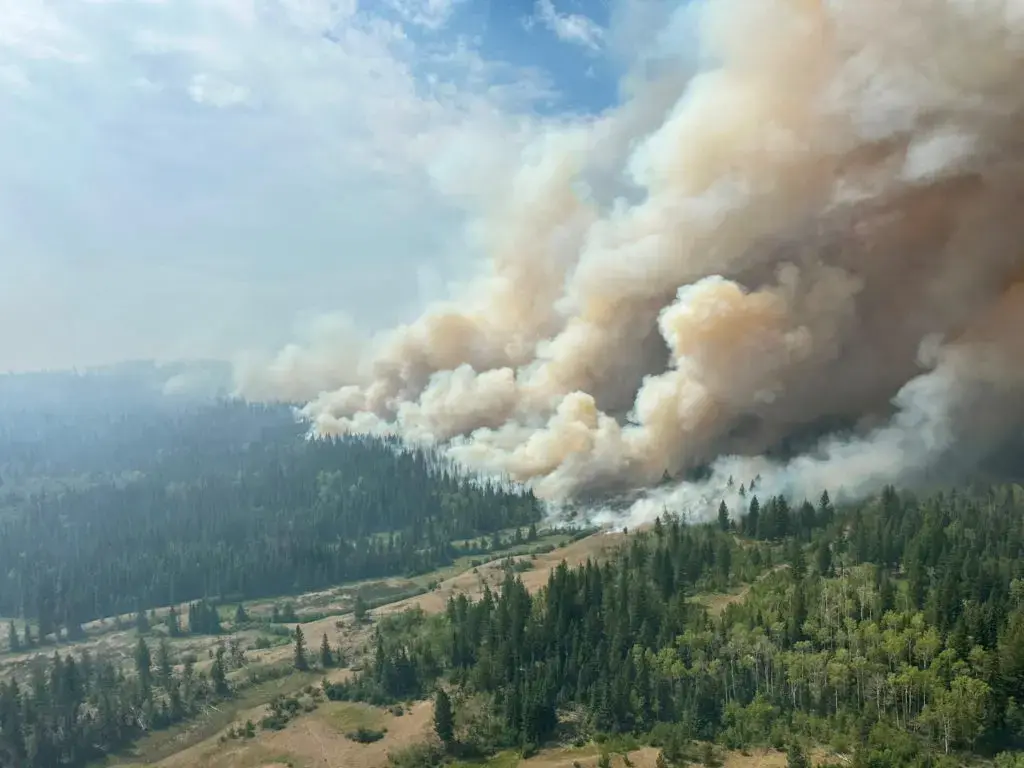
Human-caused climate change significantly increased the chances of extreme weather that fueled Canada's devastating wildfires. This finding comes from a rapid attribution study by an international team of scientists. The research highlights a clear link between global warming and the intensity of recent fire seasons.
Breaking news
 Deadly Glacier and Rock Collapse in Nepal Linked to Climate Warming
 US Congress Passes Sweeping Sanctions Against Russia
 Speaker Johnson Ends House Session Early to Halt Impeachment Effort
 The High-Stakes Fight for Senate Majority Control
The study, conducted by World Weather Attribution, found that climate change made the specific fire-prone weather conditions at least twice as likely. These conditions included high temperatures and dry air across vast regions. Such extreme weather events are becoming more common and severe due to rising global temperatures.
Scientists used sophisticated climate models to compare current weather patterns with those that would exist without human interference. Their analysis showed a direct correlation between greenhouse gas emissions and the increased frequency of these dangerous fire conditions. The findings underscore the urgent need for climate action.
How Do These Findings Influence Future Preparedness?
The research also indicated that these extreme fire-weather conditions are now 20-50% more intense than they would have been in a world unaffected by climate change. This heightened intensity leads to larger, more destructive, and harder-to-control wildfires. The scale of the Canadian fires this year was unprecedented.
This scientific consensus provides crucial information for policymakers and emergency services. Understanding the amplified risk allows for better planning and resource allocation in fire prevention and suppression. It also emphasizes the importance of mitigation strategies to reduce emissions.
The ongoing wildfires have caused widespread destruction, displaced thousands, and significantly impacted air quality across North America. Experts warn that without substantial efforts to curb climate change, such events will continue to intensify. Adapting to these new realities is a critical challenge for affected nations.
Frequently Asked Questions
What is rapid attributionin climate science? Rapid attribution studies quickly analyze extreme weather events to determine if climate change played a role. They use established scientific methods to link specific events to long-term climate trends.
How did scientists determine the increased likelihood? Researchers compared observed weather data with climate models simulating a world without human-induced warming. This comparison allowed them to quantify how much more probable the extreme conditions became due to climate change.
What does this mean for future wildfire seasons? The findings suggest that similar or even more intense wildfire conditions are likely to occur more frequently in the future. This necessitates enhanced preparedness, forest management, and global efforts to reduce greenhouse gas emissions.