Resort managers report that snow-making efforts have been ineffective due to
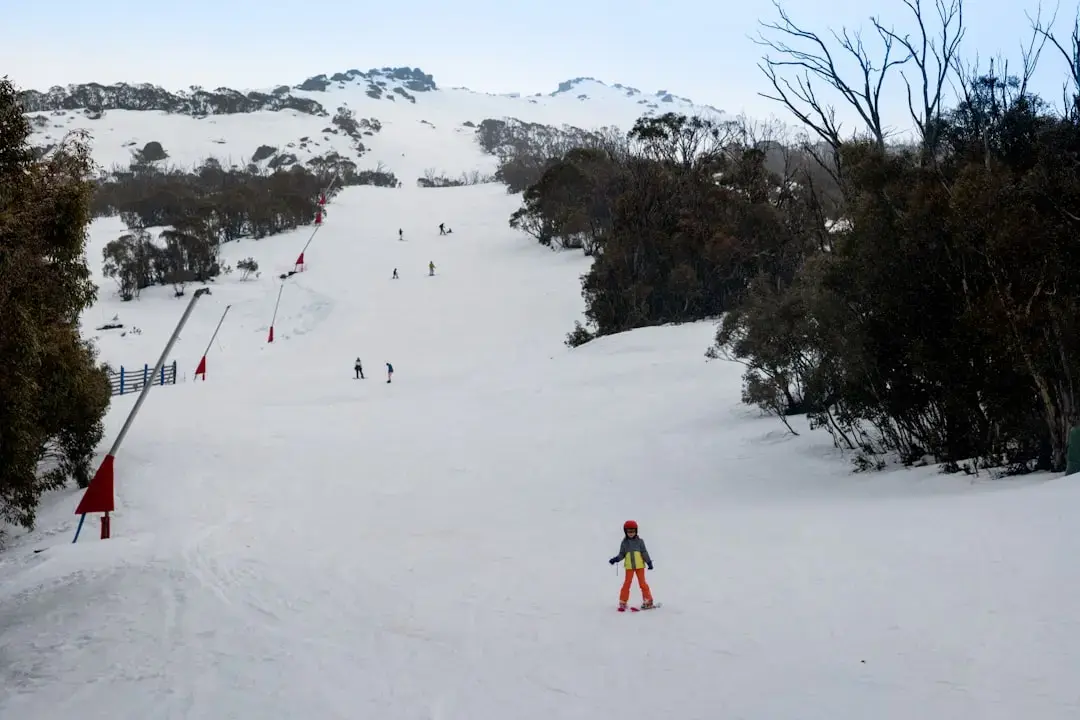
Australian ski fields are shutting down a month ahead of schedule as unseasonably warm temperatures and a lack of snow disrupt the winter season. The early closure follows one of the warmest winters on record, driven by climate patterns and global warming. Mount Buffalo in Victoria saw minimal snowfall in July, a time when the slopes should be at their peak. Photographs from the area show bare ground where snow should be deep enough for skiing and snowboarding. Resort operators say conditions have become unsafe and unsuitable for visitors. How climate patterns are shortening the ski season The combination of El Niño and long-term global warming has led to higher-than-average temperatures across southeastern Australia. This has reduced snow accumulation and accelerated melting, even during traditionally cold months. Scientists note that snow reliability is declining across the region, affecting not only tourism but also alpine ecosystems.
Breaking news
 Deadly Glacier and Rock Collapse in Nepal Linked to Climate Warming
 US Congress Passes Sweeping Sanctions Against Russia
 Speaker Johnson Ends House Session Early to Halt Impeachment Effort
 The High-Stakes Fight for Senate Majority Control
Resort managers report that snow-making efforts have been ineffective due to warm nights, which prevent artificial snow from holding. As a result, many lifts and trails have remained closed despite attempts to extend the season. What does this mean for winter tourism? Operators are facing financial losses as bookings drop and seasonal staff are laid off earlier than expected. Some resorts are exploring year-round activities like mountain biking and hiking to offset winter losses. However, officials warn that without significant snowfall, the traditional ski season may continue to shrink. Local communities dependent on winter tourism are concerned about long-term viability. Experts suggest adaptation strategies will be necessary, but stress that reducing emissions remains key to preserving cold-weather seasons. Frequently Asked Questions Why are Australian ski resorts closing early?
They are closing early due to unusually warm temperatures and insufficient snowfall, worsened by El Niño and climate change, which have made natural and artificial snow unreliable. Is this the first time ski seasons have been affected by warm weather? No, but this year’s conditions are among the most severe in recent memory, with temperatures and snow levels well below historical averages for July. Can snow-making technology save the season? Snow-making has been limited because warm nighttime temperatures prevent snow from forming and sticking, making it ineffective despite increased efforts.