Can Local Conversations Heal a Divided Nation?
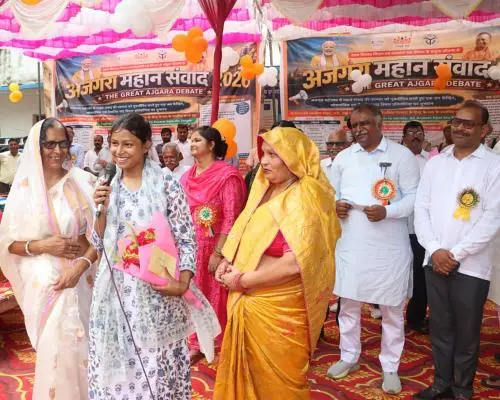
In the rural village of Ajgara, Uttar Pradesh, residents have transformed a simple tent into a vibrant hub for democratic discourse. Amidst a national climate of political polarization and restricted speech, locals gather daily to engage in rigorous public debates. This grassroots movement has turned a quiet farming community into a rare sanctuary for open, unfiltered conversation.
Breaking news
 Ronna McDaniel Weighs In on GOP's Path Forward
 Market Sentiment Shifts as S&P 500 Snaps Three-Day Losing Streak
 Voters Demand Stronger Congressional Oversight of Presidential Power
 Pelosi Looks Back, Sees Democratic Triumph Ahead
The village, typically defined by its paddy fields and local temple, has hosted these sessions for over a month. While discussions usually center on mundane topics like crop prices or local news, the recent gatherings focus on broader societal issues. This shift reflects a growing desire among citizens to reclaim the space for collective ## Cultivating Dialogue in the Fields
The initiative thrives on the principle of accessibility, inviting everyone from farmers to elders to participate. By stripping away the formalities of modern political platforms, the village creates a level playing field. Participants argue that this face-to-face interaction is essential for maintaining social cohesion in an era of digital misinformation.
Organizers emphasize that the goal is not to reach a consensus, but to ensure every voice is heard. This commitment to inclusivity has drawn visitors from neighboring regions who are eager to witness a functioning model of civil disagreement. The tent serves as a physical reminder that democracy requires active, local participation to survive.
Frequently Asked Questions
As the debates continue, the impact on the community becomes increasingly evident. Neighbors who once held opposing views are finding common ground through structured, respectful argumentation. This experiment suggests that even in a highly fragmented political landscape, human connection remains a powerful tool for bridging divides.
The future of the Ajgara model remains uncertain, yet its success has inspired other villages to consider similar forums. By prioritizing empathy and logic over partisan rhetoric, these rural residents are setting a quiet example for the rest of the country. Whether this trend will spread nationally remains the ultimate test for India’s democratic health.
What prompted the villagers to start these debates? The residents sought a space to discuss issues freely as they felt national political discourse had become increasingly polarized and restricted.
How do the villagers ensure the debates remain productive? They focus on face-to-face interaction and inclusivity, ensuring that every participant has an equal opportunity to speak regardless of their background.
Is this movement spreading to other regions? While it began in Ajgara, the success of these gatherings has sparked interest in neighboring villages looking to replicate the model of open dialogue.