Political Signals Shape Monetary Expectations
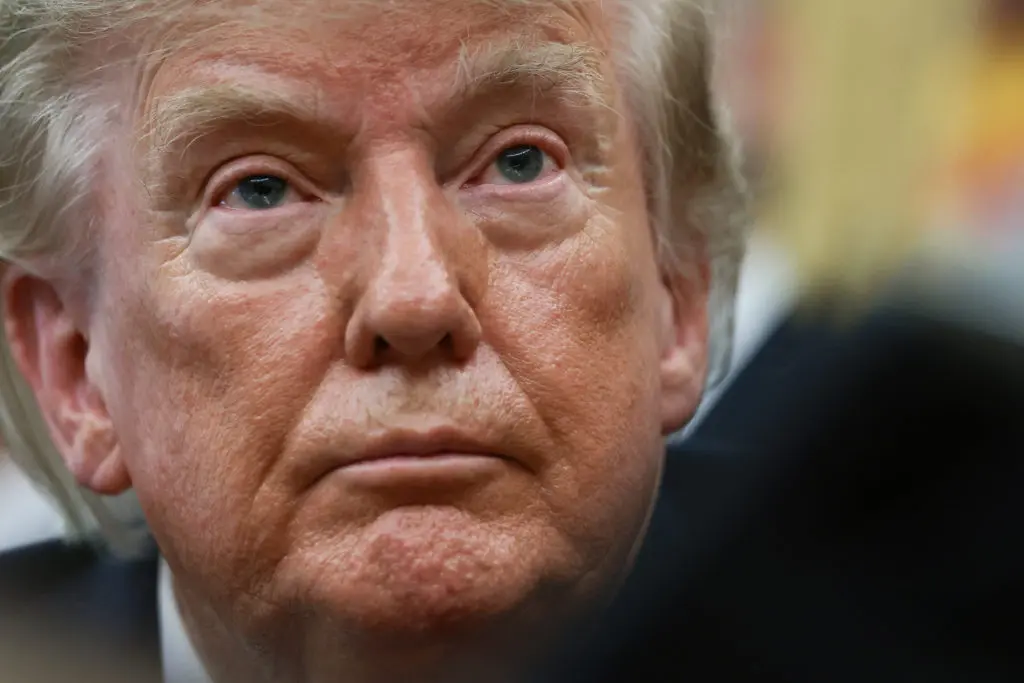
President Donald Trump indicated that Federal Reserve Chair Kevin Warsh should proceed with necessary interest rate adjustments. This statement emerged during a recent public appearance. The President suggested he does not necessarily oppose raising rates if economic conditions demand it. His comments signal a shift in the administration’s stance toward monetary policy. Investors closely monitor these signals for market stability. The relationship between the White House and the central bank remains a focal point.
Breaking news
 Deadly Glacier and Rock Collapse in Nepal Linked to Climate Warming
 US Congress Passes Sweeping Sanctions Against Russia
 Speaker Johnson Ends House Session Early to Halt Impeachment Effort
 The High-Stakes Fight for Senate Majority Control
The President addressed the topic of inflation control and borrowing costs. He emphasized that Warsh must act according to economic needs rather than political pressure. This approach aims to preserve the independence of the Federal Reserve. However, the explicit endorsement from the top adds weight to the decision-making process. Market analysts are evaluating how this dynamic affects bond yields. The clarity provided helps reduce uncertainty among financial stakeholders.
Trump’s remarks were part of a broader discussion on economic management. He highlighted the importance of keeping prices stable for consumers. The President noted that Warsh has the authority to make tough choices. This includes increasing the federal funds rate if inflation persists. Such moves can slow down economic growth but curb price increases. The administration appears willing to support these measures when justified. This stance contrasts with previous periods of intense political friction.
Will Higher Rates Curb Inflation?
Observers note the subtle change in tone regarding central bank leadership. Previously, there was significant debate over the appropriate level of interest rates. Now, the focus is on allowing the appointed chair to execute his mandate. This creates a framework where data drives decisions more than politics. Financial markets reacted cautiously to the news. Stock indices remained relatively steady following the announcement. Bond traders adjusted their expectations slightly upward.
The prospect of rate hikes depends heavily on upcoming economic data. Inflation reports and employment figures will guide Warsh’s next moves. If consumer prices continue to rise, the likelihood of an increase grows. Conversely, strong job creation might keep rates stable. The Federal Reserve typically meets every six weeks to review policy. Each meeting offers a chance to adjust the benchmark rate. Investors watch these meetings for clues on future trajectories.
Frequently Asked Questions
The President’s support provides a political cushion for Warsh. It reduces the risk of backlash against aggressive tightening. This allows the central bank to focus on long-term price stability. However, higher rates can burden borrowers and businesses. Mortgage payments and car loans become more expensive. Small businesses may face tighter credit conditions. The balance between cooling inflation and maintaining growth remains delicate.
Does Trump support all rate hikes? No, the President stated that Warsh should do what is necessary. This implies support only if economic data justifies the move. It is not a blanket approval for any increase.
Who is Kevin Warsh? Kevin Warsh is the current Chair of the Federal Reserve. He leads the central bank’s monetary policy decisions. His role involves setting interest rates to manage inflation.