Why Bean‑to‑Cup Machines Are Becoming a Kitchen Staple
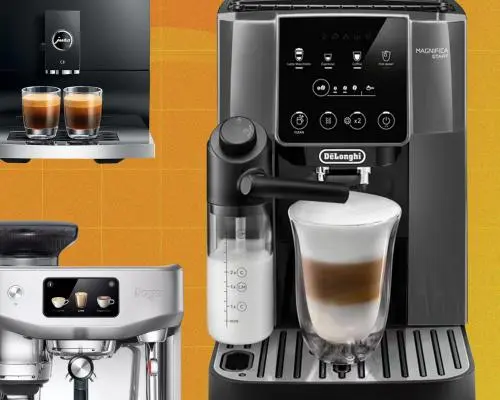
The UK market offers a range of bean‑to‑cup coffee machines, from compact models for small kitchens to high‑end systems that rival café quality. In a recent review, ten models were tested for ease of use, grind consistency, espresso strength, and overall value. The study highlighted which brands excelled in each category and provided buying tips for coffee lovers seeking a reliable machine.
Breaking news
 EU Report Finds Russian Network Used Social Media to Blame French Riots on Immigration
 Victims Detail Lifelong Impact of Russell Brand's Crimes in Court
 Advent 2026 Calendars Offer Daily Surprises for Every Interest
 Pandemic Stress Accelerates Epigenetic Aging in One Generation
The review covered machines from well‑known manufacturers such as Nespresso, DeLonghi, and Breville, as well as newer entrants like Philips and Jura. Each unit was evaluated on its grinder performance, espresso crema, milk frothing capability, and maintenance requirements. The tests were carried out in a typical UK household, ensuring the results reflect everyday usage rather than laboratory conditions.
Which Machines Offer the Best Value for Money?
Bean‑to‑cup systems have surged in popularity because they combine convenience with quality. Users no longer need to buy pre‑ground coffee or invest in separate grinders. The machines grind beans fresh for each shot, preserving aroma and flavor. In the UK, rising coffee culture and a growing preference for specialty drinks at home have driven demand. The review found that models with adjustable grind settings and programmable shot volumes deliver the most consistent espresso, making them ideal for both novices and seasoned baristas.
The evaluation identified three standout models for budget‑conscious buyers. A mid‑range machine from DeLonghi offers a built‑in grinder, a programmable espresso button, and a milk frother, all for under £300. A compact Philips model, priced around £250, delivers smooth espresso and a quick cleaning cycle. For premium users, a high‑end Jura system, costing over £800, features a touch screen, automatic cleaning, and a patented dual‑roaster technology that enhances bean freshness.
The review also highlighted that maintenance costs can offset initial savings. Machines with removable grinder burrs and easy‑to‑clean brew heads reduce long‑term expenses. Users who grind their own beans can extend the lifespan of the grinder by cleaning it weekly.
How Does the Milk Frothing Performance Compare?
Milk frothing is a critical factor for espresso‑based drinks. The study tested cappuccino and latte preparations across all models. The top performers were a Breville machine with a steam wand that produces micro‑foam at a consistent temperature, and a Jura model that automatically froths milk to the desired density. Lower‑priced units often rely on a manual frother, which can be less reliable and require more skill.
The review noted that the quality of the milk froth can be influenced by the type of milk used. Skim milk froths more easily than whole milk, while plant‑based alternatives may produce a different texture. Users should experiment to find the best match for their taste.
Are Bean‑to‑Cup Machines Worth the Investment?
For coffee enthusiasts who value convenience and consistency, the answer is yes. A high‑quality machine can replicate café espresso at home, saving time and money. However, the upfront cost and ongoing maintenance must be considered. A simple, manual grinder paired with a high‑quality espresso machine can offer a cheaper alternative for those willing to invest a little effort.
In the near future, manufacturers are focusing on smart connectivity, allowing users to control their machines via smartphone apps. This trend could further simplify the brewing process and provide real‑time diagnostics.
What is the best way to clean a bean‑to‑cup machine? Regularly remove the grinder burrs and clean the brew head with a soft brush. Run a cleaning cycle with water and a descaling solution every few weeks to prevent mineral buildup.
Frequently Asked Questions
Can I use pre‑ground coffee in a bean‑to‑cup machine? Most machines are designed for whole beans. Using pre‑ground coffee can clog the grinder and reduce flavor. If you prefer pre‑ground, choose a machine with a separate grinder or a manual brewing option.
Do these machines work with any coffee beans? Yes, but the grind size and roast level affect the outcome. Darker roasts need a finer grind, while lighter roasts benefit from a coarser setting. Experiment with different beans to find your preferred taste.