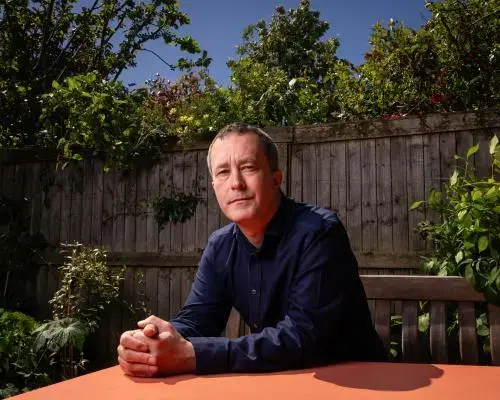
Rewiring the Damaged Brain
Claire arrived at the hospital severely disabled. She was carried in on a stretcher, unable to speak or move most of her body. A mother of three, her life had been instantly altered by a devastating neurological event. Neurologist Orlando Swayne believes recovery is possible, even in these extreme cases.
Breaking news
 Deadly Glacier and Rock Collapse in Nepal Linked to Climate Warming
 US Congress Passes Sweeping Sanctions Against Russia
 Speaker Johnson Ends House Session Early to Halt Impeachment Effort
 The High-Stakes Fight for Senate Majority Control
Swayne focuses on neuroplasticity – the brain’s remarkable ability to reorganize itself. He doesn’t promise a full recovery for everyone. However, he champions intensive, personalized therapy to rebuild lost connections. Traditional medical views often underestimate the brain’s potential for healing after stroke or traumatic injury. Swayne challenges this pessimism.
Claire’s case exemplifies the challenges. She exhibited complete paralysis on her left side and limited movement in her right arm. Her face was expressionless, and she couldn’t communicate verbally. Swayne’s approach isn’t about „fixing” the damage directly. It’s about finding alternative pathways for signals to travel.
Can the Brain Truly Rebuild Itself?
He utilizes a rigorous program of physical, occupational, and speech therapy. This therapy isn’t passive; it demands active participation from the patient. The goal is to stimulate neuroplasticity, forcing the brain to create new neural networks. This process requires consistent, focused effort.
Swayne emphasizes that the brain doesn't simply heal like a broken bone. Instead, it adapts. Healthy areas take over functions previously handled by damaged regions. This requires intense rehabilitation to encourage these new connections. He believes the window for significant recovery is longer than many doctors assume.
„We often see patients plateau after a few months,” Swayne explains. „But with the right therapy, we can push beyond those plateaus and unlock further potential.” He acknowledges that the extent of recovery varies greatly. It depends on the severity of the initial injury and the patient’s dedication to therapy.
The implications of Swayne’s work are profound. It offers hope to individuals and families facing seemingly insurmountable challenges. It also suggests a need to rethink rehabilitation strategies. A more optimistic and proactive approach could significantly improve outcomes for stroke and trauma patients. While not a cure-all, Swayne’s methods demonstrate the brain’s incredible resilience.
Frequently Asked Questions
What is neuroplasticity? Neuroplasticity is the brain’s ability to reorganize itself by forming new neural connections throughout life. This allows the brain to compensate for injury and disease, and to adjust to new experiences. It’s the foundation of learning and recovery.
How long does recovery typically take? Recovery time varies greatly depending on the individual and the nature of their injury. While some improvements can occur relatively quickly, significant progress often requires months or even years of dedicated therapy. Swayne believes continued effort can yield results long after initial expectations.
Is this therapy available everywhere? Unfortunately, access to this type of intensive, personalized therapy is limited. Many hospitals and rehabilitation centers lack the resources or expertise to implement such programs effectively. Increased awareness and funding are needed to expand access to these potentially life-changing treatments.